Nigeria Ima Gas Development: TotalEnergies Takes FID to Support NLNG Train 7
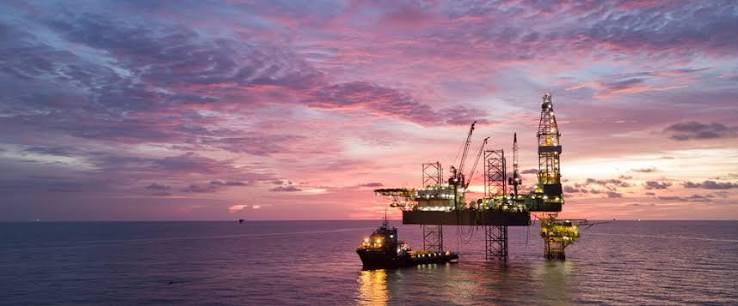
Nigeria's offshore gas sector has gained a new development milestone as TotalEnergies and Nigerian partner AMNI take the Final Investment Decision for the Ima Gas Development. The project will connect the offshore field to Nigeria LNG through a 22 km pipeline and target production start-up in 2028.
The project is designed to supply about one-third of the gas required for the Nigeria LNG Train 7 expansion. For chemical traders, energy buyers and industrial procurement teams, the development highlights how upstream gas availability can influence LNG supply, infrastructure utilization and downstream energy markets.
Ima Gas Development Connects Offshore Supply With NLNG
The Ima field sits in shallow waters near Bonny Island across Nigeria's OML 112 and OML 117 offshore licenses. TotalEnergies holds a 40% interest and operates the project, while AMNI holds the remaining 60%.
The development will rely on a single-platform configuration rather than a large network of new offshore facilities. A 22 km pipeline will connect the platform to Nigeria LNG, creating a direct route from upstream production to the existing liquefaction system.
This infrastructure strategy matters for procurement because it links new gas production with an established downstream asset. Using existing LNG infrastructure can reduce the need for a completely new processing and export chain.
How the Project Supports Nigeria LNG Train 7
Ima is closely tied to the expansion of Nigeria LNG's liquefaction capacity. Once the expansion is completed, Train 7 will increase the facility's capacity from 22 million tonnes per year to 30 million tonnes per year.
TotalEnergies expects the Ima field to reach a production plateau of 350 million cubic feet per day, equivalent to more than 60,000 barrels of oil equivalent per day. The company expects the field to provide roughly one-third of the gas needed for the Train 7 expansion.
For LNG-linked buyers, dependable feed gas remains a fundamental requirement. A liquefaction facility can only maintain planned utilization when upstream supply, processing capacity and transportation infrastructure operate in coordination.
The project therefore represents more than an offshore field development. It forms part of a broader supply chain connecting Nigerian gas resources with international LNG markets.
Low-Emissions Design Shapes the Ima Development
TotalEnergies describes Ima as a low-cost and low-emissions development. The project uses several design choices intended to limit emissions during operations.
Key features include:
Electric power from shore, which reduces the need for conventional offshore power generation.
No routine flaring, supporting tighter control of associated operational emissions.
Permanent methane detection and monitoring, providing continuous oversight of methane emissions.
A simplified platform design, intended to support a streamlined development model.
These features can become increasingly relevant for international buyers that assess the emissions profile of energy supplies. Procurement teams may need to consider not only volume and price but also production characteristics when evaluating long-term energy sourcing.

What the 2028 Start-Up Target Means for Buyers
Production is targeted for 2028, giving buyers and downstream market participants a defined timeframe for the expected addition of Nigerian gas supply. The timing also aligns with the planned expansion of Nigeria LNG's processing capacity.
For procurement teams, several factors deserve attention as the project moves toward start-up:
Supply planning: Additional gas entering the NLNG system can strengthen feedstock availability for expanded liquefaction capacity.
Contract strategy: Buyers can monitor how new Nigerian LNG volumes develop as the project approaches production.
Infrastructure timing: The upstream field, pipeline and LNG expansion must progress in coordination to deliver the expected commercial benefits.
Market exposure: Additional Nigerian LNG capacity can affect sourcing options for buyers participating in international gas markets.
The 2028 target also gives industrial users time to assess how additional Nigerian gas supply could interact with their energy procurement requirements.
Nigerian Content Adds a Local Procurement Dimension
The Ima project includes a strong Nigerian content component. TotalEnergies says all key contractors for the development are local companies, while approximately 60% of the workforce during the project development phase is expected to come from host communities.
This approach creates procurement opportunities beyond the core upstream equipment package. Local engineering, fabrication, logistics, maintenance and support services can participate in the wider project supply chain.
For international suppliers, understanding local participation requirements can become important when targeting future opportunities connected with Nigerian energy infrastructure. Local partnerships may also influence how contractors structure bids and manage project execution.
Supply Chain Considerations Around Offshore Gas
Offshore gas projects require coordinated procurement across multiple stages. The single-platform concept may simplify the overall configuration, but the project still depends on reliable equipment, transportation services and pipeline infrastructure.
The 22 km tie-back creates a direct connection between the Ima field and Nigeria LNG. That arrangement places particular importance on the integrity and timely completion of the pipeline system because the connection represents the physical route for moving produced gas toward the liquefaction plant.
Procurement teams tracking the project should therefore monitor:
Offshore platform equipment and services
Pipeline construction and installation
Electrical infrastructure
Methane monitoring systems
Maintenance and operational support
Marine logistics and specialized transportation
These requirements can create opportunities for suppliers with experience in offshore energy projects and Nigerian industrial procurement.
Why Ima Matters for Nigeria's Gas Supply Chain
Nigeria has significant natural gas resources, while LNG infrastructure provides access to international markets. The Ima development connects those two parts of the energy chain through a relatively compact upstream project.
The project's proximity to Bonny Island also supports its integration with the existing Nigeria LNG system. Rather than developing an entirely separate LNG export route, Ima will feed gas into an established liquefaction operation through the planned tie-back.
The development also follows TotalEnergies' recent investment in Nigerian gas projects. The company's Ubeta project received FID in 2024 and is expected to start production in 2027, with gas also intended for Nigeria LNG.
Together, these projects indicate continued investment in upstream gas supply linked directly to Nigeria's LNG infrastructure.
Procurement Outlook for the Nigerian Gas Market
The Ima FID gives the market a clearer development pathway toward additional Nigerian gas supply. With production targeted for 2028, procurement organizations can use the intervening period to evaluate potential changes in LNG availability, infrastructure demand and related industrial services.
For chemical and energy traders, the project also demonstrates the importance of monitoring upstream developments when assessing downstream markets. Changes in natural gas availability can influence industrial operating costs, energy purchasing strategies and the economics of gas-intensive manufacturing.
The project may also support broader industrial activity around Bonny Island and other parts of Nigeria's energy supply chain. Local contractors, service providers and international suppliers can all have roles as the development progresses.
What Buyers Should Track Through 2027 and 2028
The next phase will focus on project execution, infrastructure delivery and preparation for production. Buyers should follow several milestones rather than treating the FID as the final procurement event.
Particular attention should go to:
Construction progress: Platform and pipeline execution will determine whether the physical connection reaches the planned operational schedule.
Infrastructure integration: Coordination with Nigeria LNG will remain important as the Train 7 expansion progresses.
Gas production readiness: Commissioning activities will determine how quickly the field can move toward its planned production plateau.
Market availability: Buyers can monitor how future Nigerian LNG supply affects sourcing options and commercial negotiations.
Local supply participation: Contractors and suppliers should watch procurement opportunities associated with project development and ongoing operations.
For international buyers, the most important signal is the project's movement from investment approval toward physical execution. Each milestone can provide greater visibility into the timing of additional Nigerian gas supply.
The Bottom Line for Procurement Teams
TotalEnergies and AMNI's FID on the Ima Gas Development strengthens the link between Nigeria's offshore gas resources and the country's expanding LNG infrastructure. The single-platform project, 22 km tie-back and 2028 production target provide a defined framework for bringing new gas into the Nigeria LNG supply chain.
For procurement professionals, the project is relevant because upstream gas availability can affect downstream LNG supply and the wider industrial energy market. Tracking construction, pipeline integration, Train 7 progress and future gas availability will help buyers understand the commercial opportunities that may emerge as the project approaches start-up.
Liquid Ammonia
Found this useful?