NIH Launches Grand Prize Challenge to Tackle Cumulative Chemical Exposure in Food
Introduction
National Institutes of Health (NIH) has unveiled a bold Grand Prize Challenge that will reward breakthroughs in quantifying cumulative chemical exposure from food. This initiative builds on decades of single‑compound toxicology and pushes the field toward a more realistic assessment of daily dietary risks.
Why Cumulative Exposure Matters
Traditional food safety regulations focus on individual contaminants—pesticides, heavy metals, or food additives—evaluated in isolation. However, consumers ingest a complex cocktail of chemicals that may act synergistically or additively over time. Cumulative exposure models aim to capture this reality, offering a holistic view of potential health outcomes.
Key Scientific Gaps
Limited data on how low‑level exposures combine across food matrices.
Inadequate analytical methods that can detect_endpoint compounds simultaneously.
Scarcity of computational tools to integrate exposure data with toxicokinetic models.
The Challenge Structure
NIH’s challenge is structured around three core deliverables: a comprehensive exposure database, a high‑throughput analytical platform, and a predictive modeling framework. Awardees will receive up to $5 million over five years, with milestone payments tied to demonstrable progress.
Submission Criteria
Innovation: Must introduce novel analytical or computational techniques.
Scalability: Solutions should be applicable to national food supply chains.
Translational Impact: Clear pathway to regulatory or industry adoption.
Potential Impact on Food Safety Science
By establishing a reliable cumulative exposure framework, the challenge could transform risk assessment protocols. Regulatory agencies would gain a more accurate tool for setting maximum residue limitsmun and could prioritize interventions where combined risks exceed safe thresholds.
Long‑Term Public Health Benefits
Improved prediction of chronic disease risks linked to dietary contaminants.
Enhanced ability to monitor_filtration of emerging chemicals such as nanomaterials.
Increased public confidence in the safety of processed and packaged foods.
Analytical Testing Innovations
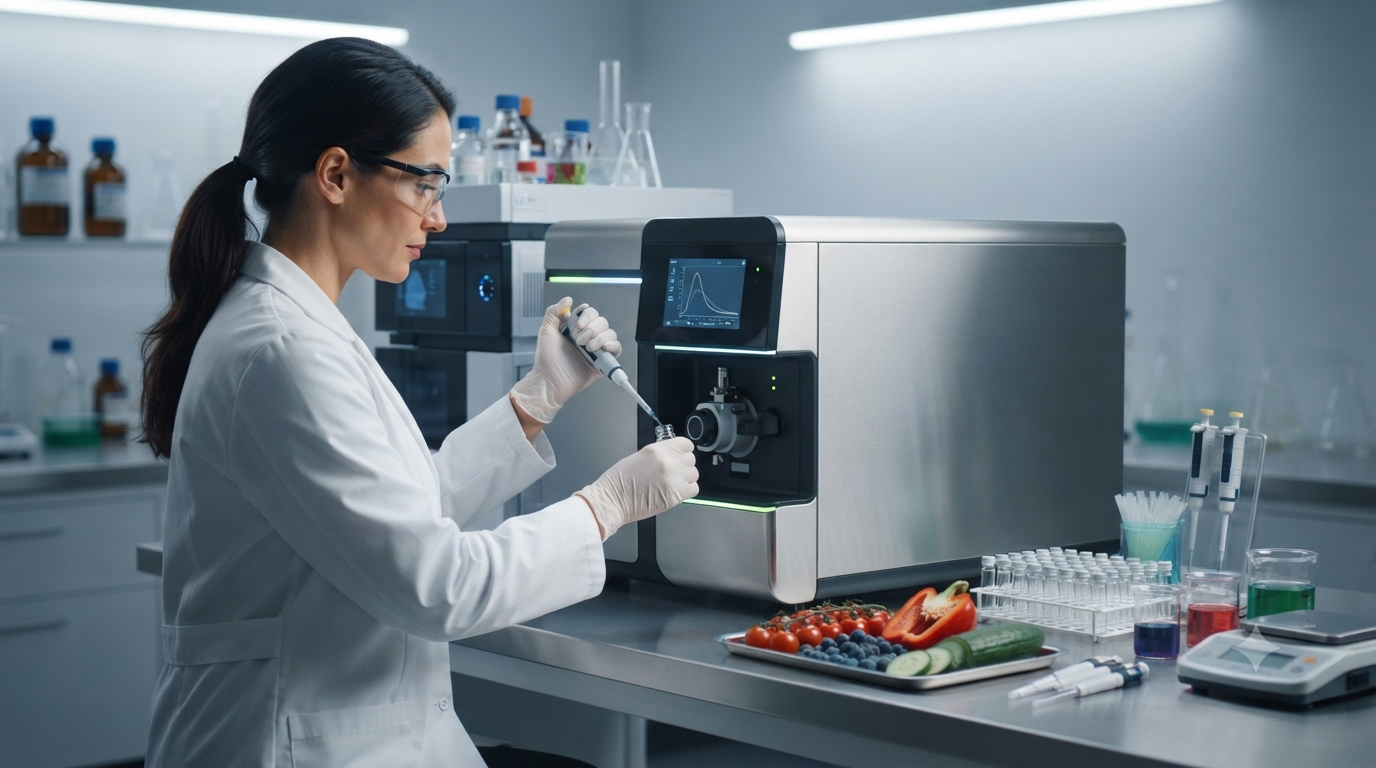
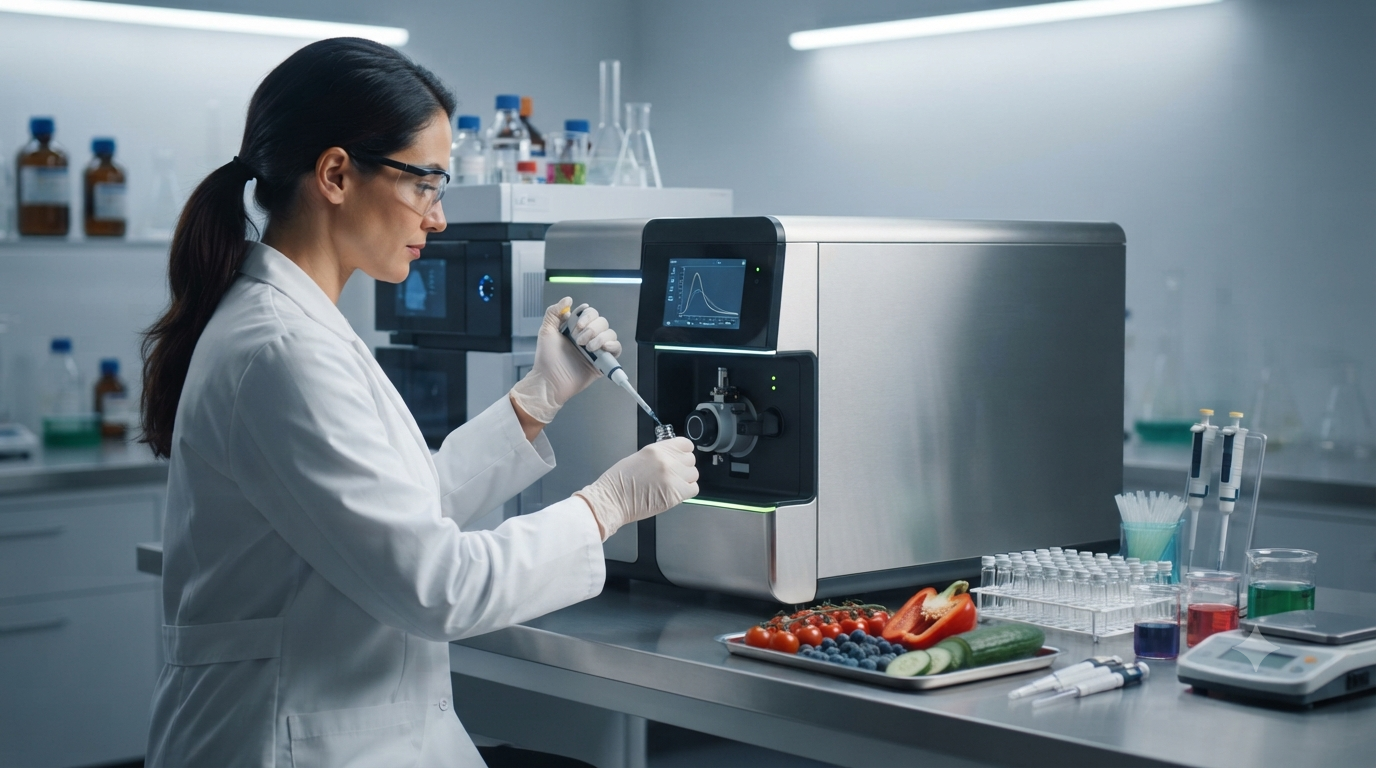
The analytical component of the challenge encourages development of multiplexed detection methods. Techniques such as high‑resolution mass spectrometry coupled with machine‑learning deconvolution could enable simultaneous quantification of hundreds of compounds in a single run.
Benefits to Laboratories
Reduced analysis time and cost per sample.
Higher throughput for routine surveillance programs.
Greater data granularity to support dose‑response modeling.
Ingredient Procurement Repercussions
Food manufacturers and ingredient suppliers will need to adapt to a new standard of exposure transparency. Supply‑chain mapping tools that integrate cumulative exposure scores can guide sourcing decisions, favoring suppliers that demonstrate lower aggregate contaminant burdens.
Strategic Supplier Relationships
Contracts may incorporate cumulative exposure metrics as Fourth‑Party Verification.
Brands could differentiate ਲ through eco‑labels highlighting low cumulative exposure footprints.
Risk‑based inventory management becomes feasible with real‑time exposure dashboards.
Call to Action
The NIH’s Grand Prize Challenge opens a gateway for interdisciplinary teams—chemists, toxicologists, data scientists, and supply‑chain experts—to collaborate on a problem that sits at the intersection of science, policy, and commerce. Researchers and industry leaders are invited to submit proposals that push the envelope of cumulative exposure assessment. The future of food safety may well hinge on the solutions that emerge from this bold initiative.
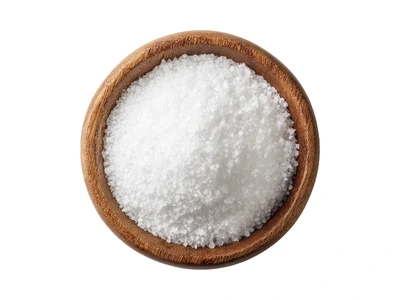
Potassium Sorbate Food Grade (E202)
Found this useful?