North Sea Port Calls for Upgrades to the Ghent–Terneuzen Canal
North Sea Port Calls for Upgrades to the Ghent–Terneuzen Canal
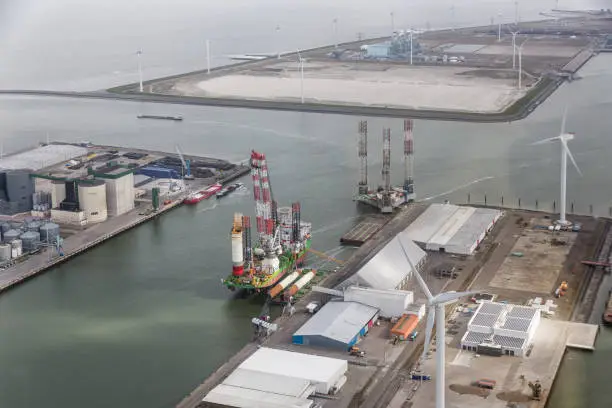
North Sea Port is calling for further upgrades to the Ghent–Terneuzen Canal to allow larger vessels to reach industrial and logistics facilities in the port area more efficiently.
The request comes after the opening of the New Lock in Terneuzen, which became operational in August 2025 and significantly improved the maritime connection between the North Sea and the ports of Terneuzen and Ghent.
North Sea Port says the new lock is an important infrastructure milestone, but further improvements to the canal are needed to fully exploit its capacity. The port authority has called for greater canal depth and width so larger seagoing vessels can travel farther into the port area.
Source: North Sea Port — New Terneuzen Lock commercial trial voyage
North Sea Port Wants a Deeper Ghent–Terneuzen Canal
One of the main proposals is to deepen part of the Ghent–Terneuzen Canal to accommodate vessels with a 14.5-metre draught.
North Sea Port CEO Cas König has said the port would like to see this deeper navigation channel extend from the New Lock toward the Bulk Port in Terneuzen.
The section concerned is approximately two kilometres beyond the lock, and North Sea Port says it could technically be deepened in the short term.
Greater depth would allow vessels carrying bulk cargo to enter the canal with more of their cargo already loaded, reducing the need to unload part of their cargo on the Westerschelde before continuing toward the port.
Source: North Sea Port — New Terneuzen Lock commercial trial voyage
Wider Ships Could Also Reach Ghent
Depth is not the only limitation North Sea Port wants to address.
The port authority is also looking at increasing the width of vessels that can navigate the canal.
In December 2025, the vessel PIAVIA carried out a commercial trial voyage through the New Lock and along the Ghent–Terneuzen Canal. The vessel was 38.04 metres wide, approximately one metre wider than the then-current permitted ship width on the canal.
The trial voyage continued to ArcelorMittal Belgium in Ghent, providing practical information on how wider vessels could operate along the waterway and reach industrial quays.
Source: North Sea Port — New Terneuzen Lock commercial trial voyage
North Sea Port Targets 43-Metre-Wide Ships
North Sea Port has outlined a longer-term ambition to allow vessels up to approximately 43 metres wide to sail from the New Lock toward important terminals in Ghent.
The port specifically identifies the Kluizendok and Rodenhuizedok as destinations that could benefit from wider vessel access.
This would increase the amount of cargo that individual vessels could transport into the port area and could improve the efficiency of bulk and industrial supply chains.
According to North Sea Port, the financial impact could be significant. For an individual dry- or liquid-bulk vessel, avoiding the need to lighten cargo can result in savings of several hundred thousand euros, depending on the vessel and cargo.
Source: North Sea Port — New Terneuzen Lock commercial trial voyage
 New Terneuzen Lock Provides the Foundation
The call for canal upgrades follows the completion of the New Lock in Terneuzen.
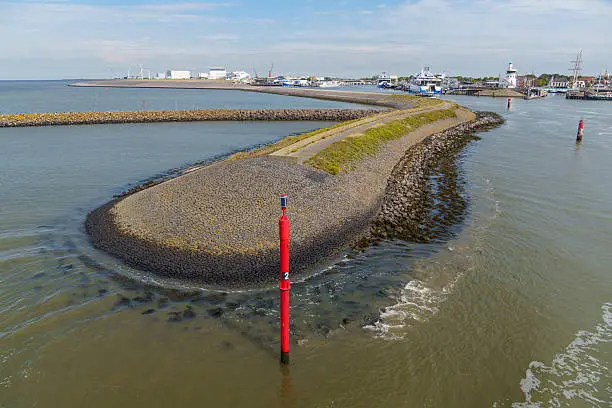
The lock became operational on 1 August 2025 and provides a new gateway between the Westerschelde and the Ghent–Terneuzen Canal.
The lock was designed to accommodate larger seagoing vessels, including vessels comparable in size to those capable of navigating the Panama Canal.
North Sea Port views the new lock as the foundation for further improvements to the canal itself.
The objective is not simply to increase lock capacity but to ensure that larger vessels can continue efficiently beyond the lock and reach terminals throughout the wider port area.
Source: North Sea Port — New Terneuzen Lock
Canal Deepening Is Planned as Part of Future Infrastructure Development
North Sea Port's current infrastructure programme includes further optimisation of the Ghent–Terneuzen Canal.
The port's infrastructure plans state that by 2030, the canal will be deepened from the North Sea Locks to the Massagoedhaven.
The objective is to allow larger vessels to berth and unload behind the locks rather than limiting larger ships to areas closer to the North Sea entrance.
This forms part of North Sea Port's broader strategy to improve maritime accessibility, multimodal connections and the competitiveness of the cross-border port.
Source: North Sea Port — Our Connecting Port Infrastructure
Why Canal Upgrades Matter for North Sea Port
North Sea Port is a cross-border port serving both Belgium and the Netherlands.
Its port area stretches across the Ghent region in Belgium and Terneuzen in the Netherlands, with the Ghent–Terneuzen Canal providing the crucial maritime connection between the two areas.
The canal supports industries including:
Steel
Chemicals
Energy
Food and agriculture
Automotive
Logistics
Bulk commodities
Improving the canal's depth and width would therefore affect a wide range of industrial supply chains rather than a single cargo sector.
Better nautical accessibility could also allow companies to receive larger cargoes in fewer vessel movements.
Larger Ships Could Reduce Cargo Handling Requirements
One of the key arguments for deeper canal access is the reduction of lightering.
When a vessel cannot navigate a channel with its full cargo because of draft restrictions, part of its cargo may need to be removed before the vessel can continue.
The cargo can then be transported separately or transferred again after the vessel reaches a suitable port location.
If the Ghent–Terneuzen Canal is deepened sufficiently, more vessels could potentially travel farther into the canal with their cargo intact.
North Sea Port argues that this could make logistics operations safer, more efficient and less expensive.
Source: North Sea Port — Canal optimisation and wider vessel access
Trial Voyages Are Testing Future Vessel Dimensions
The December 2025 PIAVIA voyage was an important practical test of the canal's future capabilities.
The vessel was 229.2 metres long and 38.04 metres wide.
Its voyage to ArcelorMittal Belgium allowed North Sea Port and its partners to assess the practical implications of allowing larger and wider vessels to sail farther into the canal.
The preparations involved the Flemish-Dutch Scheldt Commission (VNSC), North Sea Port, Joint Nautical Management and the Flemish and Dutch pilotage authorities.
The testing is intended to provide information that can support decisions about future nautical accessibility.
Source: North Sea Port — New Terneuzen Lock commercial trial voyage
Infrastructure Improvements Are a Cross-Border Effort
The Ghent–Terneuzen Canal crosses the border between Belgium and the Netherlands, making cooperation between the two countries essential for future upgrades.
North Sea Port operates as a unified Dutch-Flemish port and works with public authorities on infrastructure, economic development and sustainability.
The Flemish-Dutch Scheldt Commission has an important role in discussions surrounding the canal and the wider Scheldt water system.
North Sea Port has previously said that the Netherlands and Flanders need to work together to improve the canal's nautical accessibility so that the opportunities created by the New Lock can be fully realised.
Source: North Sea Port — Cross-border cooperation and canal optimisation
Drought Is Creating an Additional Challenge
While North Sea Port is seeking greater long-term capacity, the Ghent–Terneuzen Canal is also facing an immediate challenge from drought and water availability.
In September 2026, North Sea Port reported that changing hydrological conditions were affecting canal navigability, water availability for businesses, water quality and logistical reliability.
The port also reported elevated salinity levels and restrictions affecting vessel draught.
Rijkswaterstaat confirmed in September 2026 that low water levels had led to restrictions on lock operations at the North Sea Locks in Terneuzen, resulting in additional waiting times for shipping.
These conditions demonstrate that future canal infrastructure needs to address not only vessel size but also water management and climate resilience.
Sources: North Sea Port — Drought and water availability on the Ghent–Terneuzen Canal; Rijkswaterstaat — Lock restrictions due to low water levels
Salinity and Water Availability Are Becoming Infrastructure Issues
North Sea Port has reported that drought has created pressure on the canal's water balance.
In its September 2026 updates, the port reported salinity levels around 9,900 mg/l, compared with a target value of approximately 3,000 mg/l at the time of its update.
The port also reported vessel draft restrictions during periods of reduced water availability.
These conditions can affect both maritime transportation and industrial companies that rely on canal water.
As a result, future investments in the Ghent–Terneuzen Canal are increasingly connected with broader questions about climate adaptation, water management and the reliability of European transport infrastructure.
Source: North Sea Port — Drought and water availability updates
Rail and Road Connections Are Also Being Upgraded
Canal improvements are part of a wider infrastructure strategy for North Sea Port.
The port is also working on the Ghent–Terneuzen railway connection, which is intended to increase capacity, reduce bottlenecks and improve the reliability of rail freight.
North Sea Port identifies the railway, canal and road network as interconnected components of its multimodal transport infrastructure.
The broader objective is to provide companies with multiple reliable ways to move raw materials and finished products through the port region.
Source: North Sea Port — Our Connecting Port Infrastructure
Importance for European Supply Chains
The Ghent–Terneuzen Canal is more than a regional waterway. It forms part of a wider European transport network connecting industrial areas with international maritime routes.
Improved access for larger vessels could strengthen the movement of bulk commodities, industrial raw materials and finished products between North Sea shipping routes and inland European markets.
North Sea Port has described the canal and its surrounding infrastructure as part of efforts to create more efficient and sustainable cross-border connections.
The European Commission has also highlighted the New Terneuzen Lock and future canal optimisation as important elements of the European transport network and cross-border connectivity.
Source: European Commission — Connecting Europe Days 2026
North Sea Port's Future Infrastructure Strategy
North Sea Port's infrastructure programme is focused on creating a more accessible and resilient port.
The port is pursuing projects involving:
Ghent–Terneuzen Canal optimisation
Ghent–Terneuzen rail improvements
R4 road upgrades
Hydrogen infrastructure
Carbon capture and storage infrastructure
Digitalisation
Climate-adaptive infrastructure
The canal is therefore one part of a larger infrastructure programme designed to support industrial activity and the energy transition.
Source: North Sea Port — Our Connecting Port Infrastructure
What Comes Next for the Ghent–Terneuzen Canal?
The next phase will involve continued technical studies, trial voyages, government coordination and infrastructure planning.
North Sea Port wants the canal to accommodate larger and wider vessels, including the longer-term ambition of 14.5-metre draught access and vessels up to approximately 43 metres wide on relevant sections.
At the same time, water availability and drought resilience will remain important considerations for the canal's future operation.
The planned deepening toward the Massagoedhaven by 2030 represents one of the major infrastructure steps currently identified by North Sea Port.
If implemented alongside improvements to rail, road and other port infrastructure, the canal upgrades could strengthen the position of Ghent and Terneuzen as an integrated cross-border industrial and logistics hub.
North Sea Port's call for further improvements to the Ghent–Terneuzen Canal comes at a time when the port is moving from the completion of the New Terneuzen Lock toward the next stage of maritime accessibility. The priority is to ensure that the infrastructure beyond the lock can accommodate the larger vessels that the new gateway was designed to serve.
The combination of deeper navigation, greater vessel width, improved rail connections and stronger climate resilience will be important to the long-term performance of the port. For industries operating in Ghent and Terneuzen, better canal access could reduce cargo-handling requirements, improve logistics efficiency and strengthen connections with international markets.

Zinc Oxide (White Seal) - Indonesia
Found this useful?