Oil Price Collapse Reshapes Naphtha-Based Chemical Economics for 2H 2026
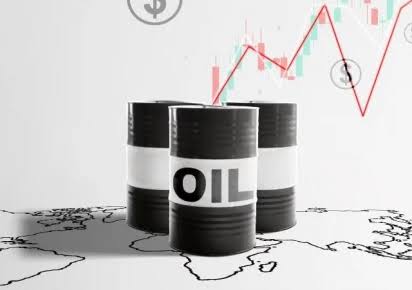
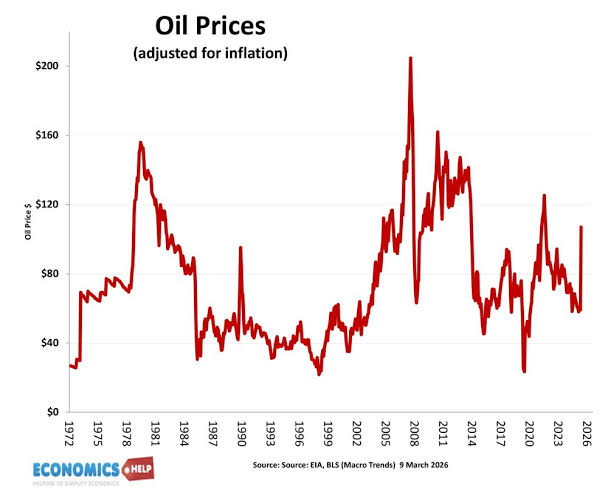
The U.S. Energy Information Administration (EIA) expects global oil prices to continue easing, with its July 2026 Short-Term Energy Outlook (STEO) forecasting Brent crude averaging around US$65 per barrel in 2027. Lower crude prices are expected to reshape the economics of naphtha-based petrochemical production, particularly in Europe and Asia, where steam crackers rely heavily on naphtha as their primary feedstock.
The shift could narrow the long-standing cost advantage enjoyed by U.S. ethane-based producers, potentially altering global competitiveness in olefins and polyethylene markets during the second half of 2026.
Why Oil Prices Matter to Petrochemicals
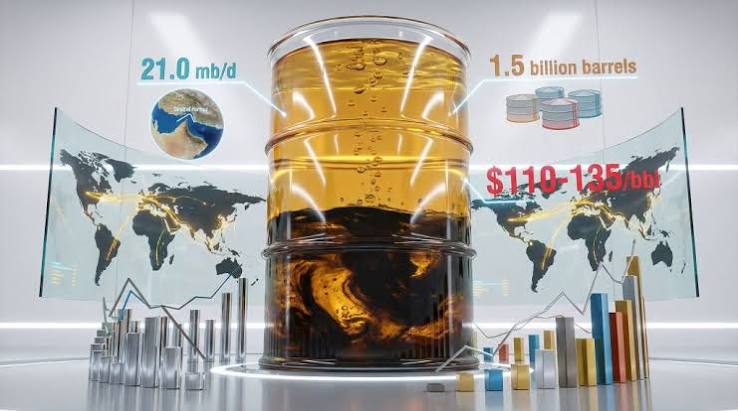
Crude oil prices directly influence naphtha production costs, making oil market movements a major driver of petrochemical economics.
Key products manufactured from naphtha include:
Ethylene
Propylene
Benzene
Butadiene
Toluene
Xylene
Polyethylene (PE)
Polyethylene Glycol (200) - China
Polypropylene (PP)
As oil prices decline, naphtha becomes more affordable, lowering feedstock costs for steam crackers and improving the competitiveness of naphtha-based production.
Market Implications
Lower oil prices could result in:
Reduced naphtha feedstock costs for Asian and European producers
Improved margins for naphtha-based steam crackers
Narrower cost advantage for U.S. ethane-based producers
Greater competition in global polyethylene and olefins markets
Increased operating rates at integrated petrochemical facilities
Potential downward pressure on downstream polymer prices
While lower crude prices support production economics, regional demand and capacity utilization will continue to influence overall market performance.
Procurement Considerations
Procurement professionals should:
Monitor Brent crude and naphtha price trends
Track changes in regional production economics
Evaluate supplier competitiveness across different feedstock bases
Review long-term purchasing agreements
Diversify sourcing across multiple producing regions
Monitor polyethylene and olefin pricing developments
Understanding feedstock cost movements can help procurement teams optimize purchasing decisions and improve long-term cost management.
Looking Ahead
If Brent crude continues trending toward the EIA's projected levels, naphtha-based producers in Europe and Asia could regain some competitive strength against North American ethane-based producers. However, market outcomes will also depend on global demand growth, operating rates, freight costs, and future energy market developments.
For procurement teams, monitoring both crude oil and petrochemical feedstock markets will remain essential for identifying sourcing opportunities and managing price volatility.
Key Takeaways
Lower crude oil prices are expected to improve naphtha-based production economics.
The EIA forecasts Brent crude averaging around US$65 per barrel in 2027.
Asian and European steam crackers may become more competitive.
The cost advantage of U.S. ethane-based producers could narrow.
Procurement teams should monitor crude oil, naphtha, and downstream polymer markets.
Found this useful?