Oilfield Chemicals: Applications in Drilling, Production and Well Stimulation
Oilfield Chemicals: Applications in Drilling, Production and Well Stimulation
1. What Are Oilfield Chemicals
Oilfield additives are a class of specialty chemicals used in oil and gas exploration and production to enhance the efficiency, performance, and cost-effectiveness of various processes. These additives are employed at different stages of exploration and production, including drilling, cementing, stimulation, and production operations.
Oilfield chemical programs are the families of specialty chemicals injected at every stage of a well's life — drilling, cementing, production, stimulation, and enhanced oil recovery — to keep fluids flowing, protect steel, and lift more hydrocarbons out of the reservoir.
High-performance chemicals for cementing, stimulation, drilling fluids and production, engineered locally by chemists with 35 years of combined oil and gas experience cover the core portfolio.
2. Drilling Fluids – The Most Critical Application
Drilling fluids, also known as drilling muds, are arguably the most important type of oilfield chemicals. Used in both onshore and offshore oil/gas wells during drilling activities, drilling fluids perform essential functions like removing rock cuttings from the borehole, cooling and lubricating the drill bit, maintaining well control, and providing hydrostatic pressure to prevent influxes from formation fluids.
One of the most important applications of oilfield chemicals is in drilling fluids. Carefully engineered mixtures of water, clay, weighting agents, viscosifiers, and other additives are pumped downhole during drilling operations to lubricate and cool the drill bit.
Drilling fluid additives enhance the performance of drilling fluids or muds by controlling properties such as viscosity, density, fluid loss. During drilling operations, chemicals are used for a variety of purposes including borehole stability, lubrication, shale inhibition and corrosion prevention.
Additives with high functional potential; new bio-based chemicals and additives for drilling fluids include rheology modifiers, biocides, emulsifiers, lubricants, corrosion inhibitors, foamers, dispersants, clay controlling agents, bentonite modifiers. Drilling fluids include water-based muds, oil-based muds, foams and other systems that suspend cuttings, control formation pressure and ensure borehole stability.
Oilfield chemicals typically fall under three categories: drilling fluids, cementing and stimulation, and oil production. Drilling muds and fluids are chemical systems used to lubricate the drill bit, to control formation pressure, and to remove formation cuttings.
3. Cementing Chemicals – Securing Well Integrity
While drilling creates the hole, cementing seals it. We supply a wide range of performance chemicals for oilfield chemical applications including additives for drilling, cementing, stimulation, production and EOR. General oilfield chemicals are a range of specialized chemical formulations used in oil drilling, production, and refining processes.
Cementing additives include retarders to extend thickening time in high-temperature wells, accelerators for shallow cold sections, fluid-loss additives to prevent water loss to formation, dispersants to improve slurry rheology, and anti-gas migration agents. These ensure zonal isolation and prevent environmental contamination.
EbdaCo delivers products to all the major application segments in the oilfield, including drilling, completion, stimulation and production, showing cementing/completion as distinct stage between drilling and production.
4. Stimulation – Acidizing and Hydraulic Fracturing
Stimulation treatments are carried out to enhance or restore the productivity of a well. Stimulation is key to unlocking tight reservoirs.
Hydraulic fracturing, matrix acidizing, and other stimulation techniques employ an array of specialty chemicals. Stimulation chemicals encourage the flow of crude oil to the well. Two commonly used stimulation techniques are acidizing and fracturing - an essential part of hydraulic fracturing.
Well stimulation techniques, such as acidizing and fracturing, are critical for enhancing well productivity. Surfactants are employed for acidizing, fracturing, acid fracturing.
Applications include:
Acidizing: Hydrochloric acid and hydrofluoric acid blends to dissolve limestone and damage skin, with corrosion inhibitors, iron-control agents, and surfactants to protect tubulars
Fracturing: Friction reducers, gelling agents like guar, crosslinkers, breakers, and clay stabilizers to create conductive fractures in shale
Surfactants: Help in reducing surface tension in oilfield fluids, allowing better penetration and improved efficiency in drilling, cementing, and stimulation operations, and used in well stimulation to improve oil recovery rates
5. Production Chemicals – Maximizing Flow
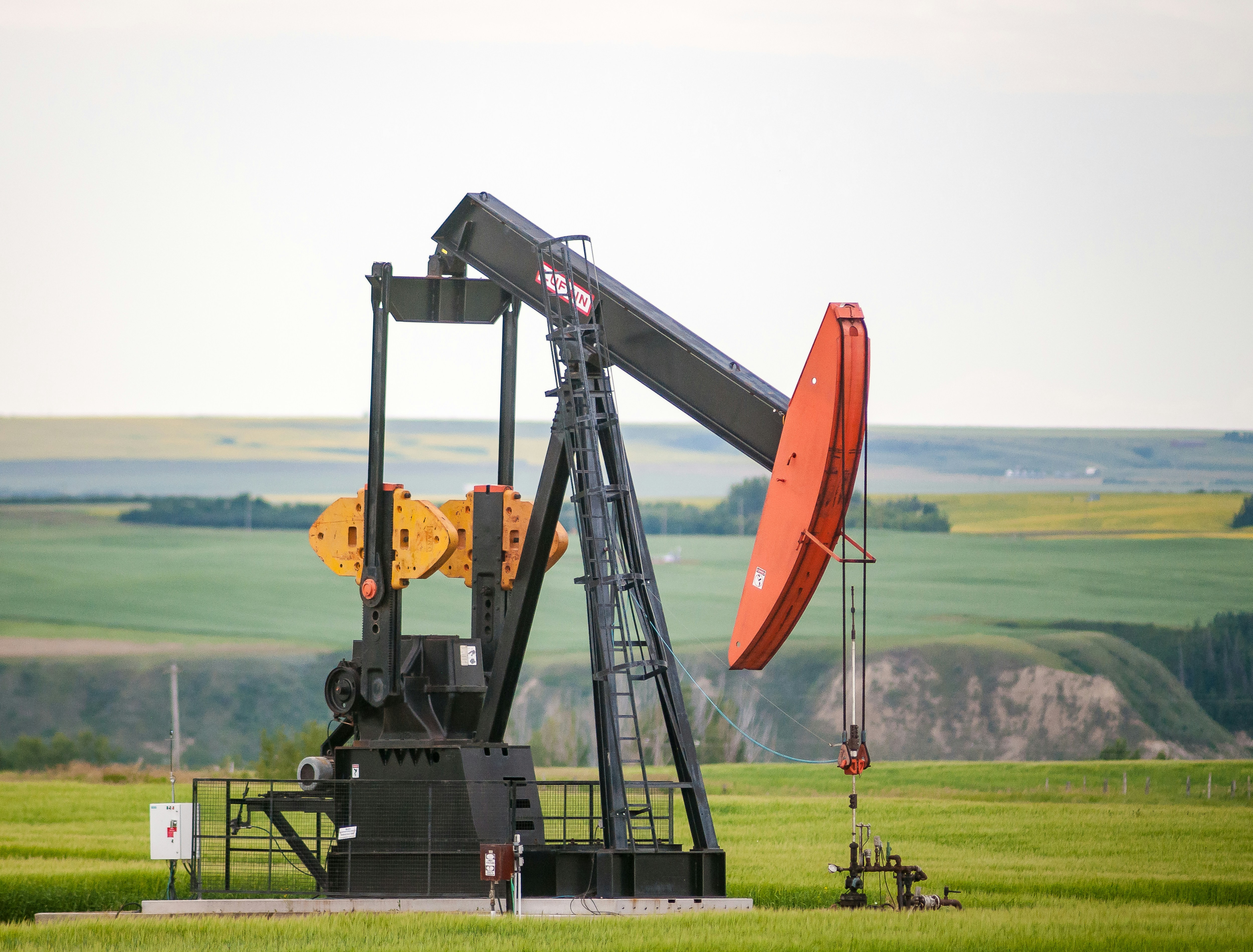
Once in production, various chemical treatments are used to maximize the flow of hydrocarbons from the reservoir to the surface.
Production chemicals include biocides, scale inhibitors, paraffin dispersants, H2S scavengers, corrosion inhibitors, asphaltene inhibitors and hydrate inhibitors. These prevent deposition and corrosion that would choke flowlines.
Key categories:
Scale inhibitors: Prevent calcium carbonate and sulfate scaling from produced water
Corrosion inhibitors: Protect steel from CO2 and H2S corrosion
Biocides: Control sulfate-reducing bacteria that cause souring
Paraffin and asphaltene dispersants: Prevent wax and heavy organic deposition
Demulsifiers: Break water-in-oil emulsions for separation
H2S scavengers: Remove toxic hydrogen sulfide for safety
6. Enhanced Oil Recovery (EOR) Chemicals
Beyond primary production, BASF offers a wide range of high quality chemicals for oilfield applications, including drilling, cementing, stimulation, production and EOR.
EOR chemicals include surfactants and polymers for chemical flooding, alkaline agents for pH control, and low-salinity additives. This stage is growing as mature fields require tertiary recovery to maintain output.
7. Market Developments and Selection Criteria
The global shift toward water-based drilling fluids that can be disposed of in an environmentally acceptable manner reflects environmental regulation. This drives demand for bio-based rheology modifiers, lubricants and corrosion inhibitors over oil-based alternatives.
Similar to specialty chemicals trends, performance-based value dominates: chemical value depends on performance in customer process rather than volume. Factors shaping demand include shale boom – US shale boom drives oilfield chemical demand, with drilling fluids, cementing and stimulation as core categories.
Buyers should monitor crude price, rig count, and environmental compliance as leading indicators. Tiered inventory strategies for high-impact additives like scale inhibitors and biocides prevent production shutdowns, while dual sourcing from local manufacturers like Redox with 35 years combined experience reduces lead-time risk.

RBD Coconut Oil
Found this useful?