Organosilicon Compounds: Industrial Uses in Construction, Electronics and Manufacturing
Organosilicon compounds have become important materials across industries where conventional chemicals and polymers cannot consistently deliver the required durability, flexibility and resistance to harsh environments. Their applications range from waterproof construction materials and industrial coatings to electronic insulation, semiconductor components and specialised manufacturing processes.
The term organosilicon compounds covers a broad family of chemicals containing silicon-carbon bonds. This family includes silanes, siloxanes and silicone-based materials, each offering different functional properties. For chemical traders, procurement managers and industrial buyers, understanding these differences helps identify suitable products, evaluate suppliers and make better purchasing decisions.
1. Understanding Organosilicon Compounds and Their Chemical Properties
Organosilicon compounds are chemical substances that contain silicon atoms bonded to organic groups. Their molecular structures allow manufacturers to develop materials with specific physical and chemical characteristics.
One important category is silicones, which contain alternating silicon and oxygen atoms in their polymer backbone, with organic groups attached to silicon. These materials can take different forms, including liquids, oils, gels, elastomers and solid resins.
The main categories include:
Silanes: These compounds serve as chemical intermediates and surface-treatment agents. Manufacturers use functional silanes to improve adhesion between inorganic materials and organic polymers.
Siloxanes: These compounds contain silicon-oxygen-silicon linkages. They serve as important building blocks for silicone polymers and specialised chemical formulations.
Silicone oils: These materials provide lubrication, thermal stability, water repellency and surface modification in industrial applications.
Silicone elastomers: These flexible materials offer electrical insulation, weather resistance and temperature stability.
Silicone resins: Manufacturers use these materials in protective coatings, electrical insulation and heat-resistant industrial applications.
Organosilicon materials attract industrial demand because they combine properties that are difficult to achieve with many conventional organic materials. Their performance can include moisture resistance, chemical stability, flexibility and resistance to temperature changes.
2. Organosilicon Applications in Construction and Infrastructure
Construction represents an important application area for organosilicon compounds, particularly in buildings and infrastructure that require long-term protection against moisture and environmental exposure.
Water infiltration can weaken building materials, damage internal structures and increase maintenance requirements. Silicone-based sealants, waterproofing agents and protective coatings help manufacturers and construction companies address these challenges.
Major construction applications include:
Building sealants: Silicone sealants provide flexible joints around windows, doors, glass panels and expansion gaps. They accommodate movement between construction materials while helping prevent water penetration.
Water-repellent treatments: Silane and siloxane-based treatments help reduce water absorption in concrete, masonry and other porous building materials.
Protective coatings: Silicone resins support coatings designed to withstand sunlight, moisture and temperature fluctuations.
Glass and façade installation: Silicone adhesives and sealants help secure glazing systems and maintain weather-resistant building envelopes.
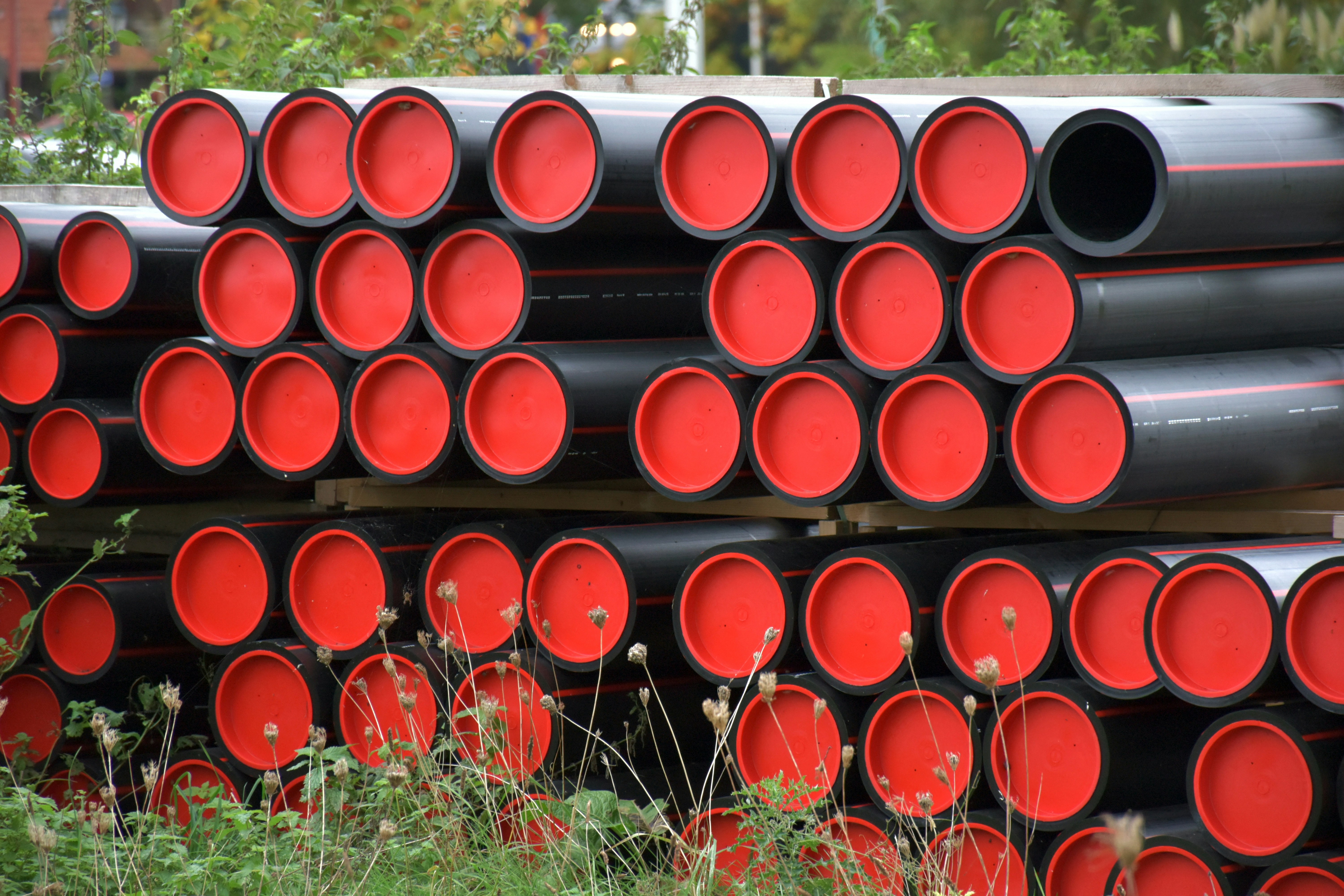
Industrial infrastructure: Specialised silicone materials protect selected pipelines, structural components and exposed surfaces from environmental conditions.
The demand for durable construction materials creates opportunities for suppliers of specialised organosilicon chemicals. Buyers serving commercial construction projects often require consistent product performance because sealant failure or inadequate waterproofing can increase maintenance expenses.
Procurement teams should evaluate adhesion strength, curing characteristics, flexibility, weather resistance and compatibility with the intended construction substrate before selecting a formulation.
3. Growing Importance in Electronics and Electrical Manufacturing
Electronics manufacturing requires materials that protect sensitive components against moisture, temperature changes, vibration and electrical interference. Organosilicon compounds support these requirements through specialised insulating, sealing and encapsulation applications.
Silicone materials are particularly useful because manufacturers can formulate them into flexible or rigid products depending on the component's operating conditions.
Their applications extend across several electronic manufacturing segments:
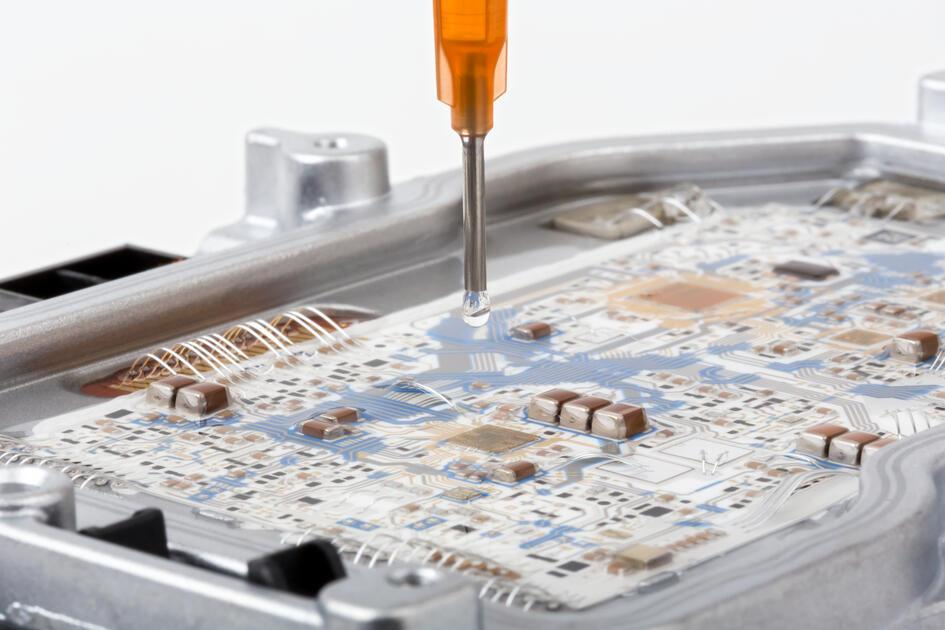
Semiconductor protection: Silicone encapsulants help protect sensitive electronic components from environmental exposure and mechanical stress.
Printed circuit boards: Specialised silicone coatings provide protective barriers against moisture and selected contaminants.
Electrical insulation: Silicone-based materials support insulation in cables, connectors, transformers and other electrical equipment.
LED manufacturing: Silicone encapsulation materials protect lighting components while supporting durability under operating temperatures.
Battery systems: Silicone adhesives, sealants and thermal-management materials support component protection and assembly in selected battery applications.
Solar panels: Silicone-based encapsulants and adhesives help protect photovoltaic components against moisture and environmental exposure.
The expansion of electric vehicles, renewable energy systems, data centres and advanced electronic devices creates additional opportunities for specialised silicone materials.
For industrial buyers, product selection requires careful attention to dielectric properties, thermal stability, curing systems and compatibility with electronic components. A material suitable for general sealing may not meet the requirements of high-performance semiconductor or electrical applications.
4. Manufacturing Applications Across Industrial Sectors
Beyond construction and electronics, organosilicon compounds contribute to manufacturing processes where material performance, surface treatment and processing efficiency influence final product quality.
Manufacturers use these chemicals as functional ingredients, processing aids, protective materials and specialised additives.
Some important applications include:
Automotive and transportation manufacturing
Silicone elastomers and fluids support automotive applications such as gaskets, seals, lubricants, vibration-control components and electrical insulation. Their resistance to temperature fluctuations makes them useful in demanding operating environments.
Electric vehicle manufacturing also creates opportunities for silicone-based battery protection, bonding and sealing materials.
Paints, coatings and adhesives
Organosilicon additives help improve surface properties, water repellency, adhesion and coating durability. Silicone resins also support protective finishes for industrial equipment and metal surfaces.
Plastics and rubber processing
Silane coupling agents help improve compatibility between inorganic fillers and polymer materials. This can enhance bonding and support the development of composites with improved mechanical properties.
Textiles and specialised fabrics
Silicone-based treatments can provide water repellency, softness and improved surface characteristics. Manufacturers use these formulations in selected technical textiles and industrial fabrics.
Industrial lubrication
Silicone oils and specialised fluids provide lubrication and performance stability in applications that require resistance to temperature variations. Their selection depends on viscosity, operating conditions and compatibility with equipment materials.
These applications demonstrate why organosilicon compounds serve more than one industrial function. Their value often comes from improving the performance of other materials rather than replacing the primary raw material.
5. Key Factors Driving Industrial Demand
Demand for organosilicon compounds depends on developments across several downstream manufacturing industries. As manufacturers introduce more specialised products, they require materials that deliver consistent performance under demanding operating conditions.
Several factors influence purchasing requirements and market opportunities.
Expansion of construction activity
Commercial buildings, infrastructure projects and modern architectural systems require effective waterproofing, glazing and protective coatings. This supports demand for silicone sealants and surface-treatment chemicals.
Growth in electronics production
Semiconductors, consumer electronics, renewable energy equipment and electric vehicles require specialised insulation and encapsulation materials. These applications increase demand for high-performance silicone formulations and functional silanes.
Demand for longer-lasting industrial materials
Manufacturers increasingly consider maintenance costs and product service life when selecting raw materials. Organosilicon compounds can support longer-lasting products through moisture resistance, flexibility and environmental durability.
Development of advanced manufacturing
Composite materials, precision electronics and specialised industrial components require improved bonding and surface compatibility. Functional silanes and silicone additives help manufacturers meet these requirements.
Renewable energy investment
Solar panels, wind turbines and battery systems use silicone materials in selected sealing, bonding, insulation and protection applications. Expansion in these sectors creates additional industrial demand.
For traders, these demand drivers highlight the importance of monitoring downstream industries rather than evaluating organosilicon chemicals as an isolated product category.
6. Supply Chain, Product Selection and Procurement Challenges
Organosilicon procurement involves more than comparing supplier quotations. The chemical family includes different product types, formulations and technical specifications, so buyers must identify the exact material required for their application.
The supply chain also involves specialised manufacturing processes, technical quality requirements, packaging considerations and transportation controls.
Procurement teams should evaluate the following factors:
Chemical composition: Confirm the product's chemical identity, functional groups and formulation. Similar product descriptions do not necessarily indicate equivalent performance.
Technical specifications: Review viscosity, purity, solids content, active ingredient concentration and other application-specific parameters.
Application compatibility: Check whether the material suits the intended substrate, polymer system, manufacturing equipment or operating environment.
Supplier consistency: Evaluate the supplier's ability to maintain consistent quality across repeated shipments and production batches.
Packaging requirements: Confirm packaging compatibility, container integrity and storage conditions, particularly for moisture-sensitive silanes.
Delivery reliability: Consider production lead times, export documentation, transportation arrangements and availability of alternative suppliers.
Some organosilicon chemicals require additional handling precautions. Reactive silane intermediates, for example, may present significant hazards when exposed to moisture or air, depending on their chemical structure.
Buyers should therefore review safety data sheets, technical data sheets and relevant transportation requirements before placing orders.
7. What Buyers Should Consider Before Sourcing Organosilicon Chemicals
Selecting the right organosilicon supplier requires a balance between technical suitability, commercial competitiveness and long-term supply reliability.
A lower purchase price does not necessarily produce better procurement value if the material creates production problems or fails to meet application requirements.
Industrial buyers can improve sourcing decisions through several practical steps:
First, define the application clearly. Identify whether the requirement involves construction sealants, electronic encapsulation, industrial coatings, surface treatment or manufacturing additives.
Second, establish technical requirements. Request detailed product specifications and compare them against the manufacturer's formulation and operating conditions.
Third, assess supplier capabilities. Evaluate production experience, quality-control procedures, documentation and the supplier's ability to support repeat orders.
Fourth, compare commercial terms. Consider minimum order quantities, packaging, payment conditions, shipping costs and delivery schedules rather than focusing only on the quoted unit price.
Finally, verify product performance. Where possible, request samples and conduct application-specific testing before committing to large-volume purchases.
Chemical traders can also strengthen their market position by developing relationships with manufacturers serving different downstream sectors. Construction, electronics and automotive buyers may require distinct grades and formulations, creating opportunities for specialised product sourcing.
8. Future Opportunities for Organosilicon Compounds in Industrial Markets
The outlook for organosilicon compounds remains closely connected to technological development and demand for advanced industrial materials.
Electronics manufacturers continue to require specialised materials for component protection, insulation and thermal management. At the same time, infrastructure development supports demand for durable sealants, waterproofing agents and protective coatings.
Several areas offer potential opportunities for manufacturers, distributors and international chemical traders:
Electric vehicle production: Battery assembly, electrical insulation and component protection create opportunities for specialised silicone materials.
Semiconductor manufacturing: Advanced electronic components require precise material specifications and reliable protective formulations.
Renewable energy systems: Solar panels and wind turbines use silicone materials in selected bonding, sealing and insulation applications.
Advanced composites: Functional silanes can improve bonding between polymer matrices and inorganic reinforcing materials.
High-performance construction: Durable façade systems, waterproofing treatments and specialised glazing applications support demand for silicone products.
Sustainability considerations may also influence material selection. Manufacturers increasingly evaluate product durability, maintenance requirements, resource efficiency and the environmental characteristics of chemical inputs.
For suppliers, understanding these changing requirements can help identify opportunities in specialised formulations rather than competing exclusively on standard chemical grades.
The Bottom Line for Chemical Buyers and Traders
Organosilicon compounds occupy an important position in construction, electronics and manufacturing because they offer specialised performance characteristics that support modern industrial production. From silicone sealants and protective coatings to electronic encapsulants and functional silane coupling agents, their applications extend across multiple global supply chains.
For procurement managers, successful sourcing depends on identifying the correct chemical category, checking technical specifications and selecting suppliers capable of delivering consistent quality. Chemical traders can build stronger business opportunities by understanding downstream applications and matching suitable products with industrial buyers.
Fumed Silica
Found this useful?