Origin's PET Bottlecap Technology Targets Sustainable Packaging Distribution Growth
Sustainable packaging is moving beyond the bottle itself, with PET bottlecap technology emerging as another area for material innovation and commercial expansion. Origin Materials' strategic distribution partnership with HP Embalagens reflects this shift, connecting specialty sustainable packaging technology with distribution opportunities in Latin American markets.
For chemical traders, procurement managers, importers and packaging industry buyers, the development signals a broader opportunity. Packaging sustainability increasingly depends on material choices across individual components, creating demand for solutions that can move from technology development into practical regional supply chains.
Why PET Bottlecap Technology Matters for Sustainable Packaging
Bottle closures play a small physical role in many packaging formats, but they remain an important part of the overall packaging system. Their material composition, manufacturing requirements and compatibility with bottles can influence how packaging producers approach sustainability targets.
PET offers an established polymer platform with extensive use across packaging applications. The development of sustainable PET bottlecaps therefore connects an established material category with changing expectations around packaging design and resource efficiency.
Origin Materials' focus on sustainable PET bottlecap technology highlights how specialty polymer applications can create new commercial opportunities without requiring packaging producers to abandon familiar material systems. This can make distribution partnerships particularly important as technologies move toward broader market adoption.
Origin Materials and HP Embalagens Expand the Distribution Opportunity
Origin Materials' strategic distribution partnership with HP Embalagens represents a commercial step for sustainable PET bottlecap technology in Latin American markets. The partnership reflects continued efforts to bring specialty sustainable packaging materials closer to regional manufacturers and buyers.
Distribution plays a critical role in translating material innovation into market activity. A technology can demonstrate technical potential, but access to established regional channels can help connect suppliers with converters, packaging manufacturers and other industrial customers.
For buyers, this creates a more practical pathway for evaluating emerging packaging materials. Instead of viewing sustainable bottlecap technology solely as a research or development trend, procurement teams can assess it through the same commercial considerations applied to other specialty polymer inputs.
Latin America Creates a Strategic Market for Sustainable Packaging
Latin American markets represent an important distribution opportunity for packaging material suppliers seeking regional growth. Expanding access to sustainable PET bottlecap technology can support manufacturers that want to evaluate new material options while maintaining established packaging production capabilities.
Regional distribution can also reduce barriers between technology developers and local packaging businesses. Strong commercial relationships allow suppliers to better understand customer specifications, production requirements and purchasing patterns.
Several factors can influence how buyers evaluate sustainable PET bottlecap materials:
Material compatibility: Packaging manufacturers need closure materials that work effectively with their existing bottle and filling systems.
Supply continuity: Procurement teams need confidence that commercial distribution can support recurring demand rather than isolated orders.
Application performance: Sustainable materials must meet the practical requirements of the intended packaging format.
Regional access: Local or regional distribution can simplify communication, sourcing and supply planning.
Commercial scalability: Buyers need to understand whether a specialty material can move from initial adoption toward larger purchasing volumes.
These factors make distribution strategy almost as important as the underlying material technology when assessing commercialization potential.
What the Partnership Means for Chemical and Polymer Buyers
For chemical traders and procurement teams, Origin Materials' distribution strategy illustrates how sustainability-focused polymer products can create new sourcing categories. Buyers increasingly need to evaluate not only the polymer itself but also the commercial infrastructure surrounding the material.
A strategic distributor can provide a bridge between a technology developer and regional customers. This can support product availability, customer engagement and market development while giving buyers a clearer route to explore emerging material solutions.
Procurement teams considering sustainable PET bottlecap technology should examine:
Technical specifications: Determine whether the material meets the performance requirements of the closure application.
Production compatibility: Assess how the material interacts with existing processing and manufacturing systems.
Supply arrangements: Review distribution coverage, ordering processes and expected supply continuity.
Application economics: Compare material costs with performance requirements and sustainability objectives.
Long-term sourcing potential: Consider whether the supplier and distributor can support future commercial requirements.
This approach can help buyers separate promising packaging technologies from solutions that may not yet fit their operational needs.
Sustainable Packaging Is Increasingly a Component-Level Challenge
Packaging sustainability often focuses on major components such as bottles, films or containers. However, the wider packaging system includes closures, labels and other components that can influence material efficiency and recycling strategies.
The development of sustainable PET bottlecaps shows why component-level innovation matters. A packaging manufacturer can evaluate improvements across individual parts rather than treating the entire package as one material decision.
For polymer suppliers, this creates a wider commercial landscape. Specialty applications can emerge within established polymer markets as packaging companies look for ways to improve sustainability without sacrificing manufacturing efficiency.
The commercial opportunity also extends beyond material production. Distribution, technical support, application development and regional customer relationships can all influence whether a new packaging material gains traction.
How Distribution Can Accelerate Sustainable Material Commercialization
Technology commercialization depends on more than developing a material with suitable characteristics. Manufacturers need reliable access to suppliers, while suppliers need routes into markets where packaging demand can support sustainable growth.
Origin Materials' partnership with HP Embalagens demonstrates the role that strategic distribution can play in this process. By targeting Latin American markets, the partnership connects sustainable PET bottlecap technology with a regional commercial channel.
For distributors and traders, this model highlights several opportunities:
Specialty sustainable materials can create new product categories within established polymer markets.
Regional partnerships can improve access to packaging manufacturers and converters.
Application-specific materials can generate demand beyond commodity polymer trading.
Sustainability requirements can encourage buyers to consider alternative materials and technologies.
Technical and commercial support can become a competitive advantage when selling emerging polymer solutions.
This dynamic can make sustainable packaging materials increasingly relevant to chemical trading businesses that want to expand beyond conventional commodity products.
Procurement Priorities for Sustainable PET Bottlecap Materials
Buyers should approach emerging PET bottlecap solutions with a structured procurement framework. Sustainability may create initial interest, but commercial adoption depends on whether the material meets technical, operational and supply requirements.
Procurement teams should prioritize consistent specifications and dependable supply channels when evaluating a new material. They should also consider whether regional distribution can support the required purchasing cycle and whether the supplier can respond as demand increases.
Another consideration involves the relationship between sustainability goals and manufacturing practicality. A material that supports a packaging sustainability strategy still needs to fit the converter's production environment and meet the expectations of downstream customers.
For importers and exporters, regional distribution partnerships can also create opportunities to build new customer networks. Packaging producers looking for sustainable alternatives may need suppliers capable of combining material availability with technical knowledge and dependable logistics.
The Broader Outlook for Sustainable PET Packaging
Origin Materials' partnership with HP Embalagens points to a wider direction in specialty packaging materials. Sustainable packaging innovation is increasingly moving toward commercial applications where material developers, distributors and manufacturers work together to bring new solutions into regional markets.
PET remains an important platform for packaging, giving sustainable PET bottlecap technology a connection to an established polymer ecosystem. This can create opportunities for suppliers that can deliver specialized materials while supporting the practical needs of packaging manufacturers.
Latin America may therefore become an important market development area for sustainable packaging technologies that can move efficiently through regional distribution networks. For chemical traders, this reinforces the value of tracking partnerships that connect material innovation with concrete commercialization channels.
What Buyers Should Do Now
Chemical and polymer buyers should monitor sustainable PET bottlecap technology as part of the broader shift toward specialty packaging materials. The Origin Materials and HP Embalagens partnership provides a useful example of how distribution strategy can help sustainable packaging technologies reach regional markets.
Procurement teams can prepare by evaluating technical requirements, supplier capabilities, regional availability and long-term commercial potential. Traders can also look for opportunities to connect emerging sustainable polymer solutions with packaging manufacturers seeking differentiated material options.
The key opportunity lies in the intersection of material innovation, regional distribution and packaging demand. As sustainable packaging continues to evolve, suppliers that can combine product quality with reliable commercial access may be better positioned to serve the next phase of polymer procurement.
Ready to source Polyethylene Terephthalate (PET) from verified global suppliers? Explore competitive offers on our platform today.
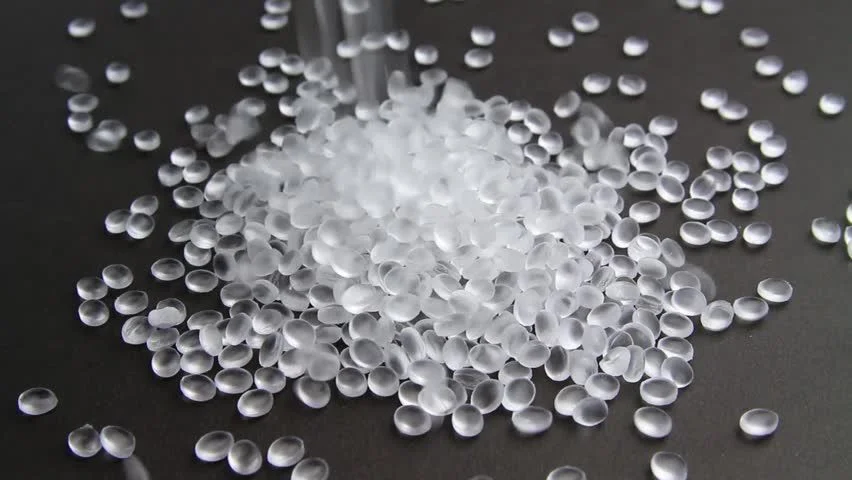
Polyethylene Terephthalate (PET)
Found this useful?