Overcapacity in Basic Chemicals: What It Means for Buyers’ Negotiating Power
Bain & Company expects the chemical industry to need a net closure of about 7.5% of global olefin capacity by 2030, equal to 35 million tonnes. Even then, plants would run below their historical utilization average. Overcapacity in basic chemicals gives buyers a structural edge that few expected to last this long.
Producers carry the pain. Margins stay thin, closures continue and new capacity keeps arriving from China.
Buyers can turn that pressure into better terms. This guide explains why the surplus persists, where leverage is strongest and which risks can wipe it out.
Why Overcapacity Will Last Through 2030
Bain says demand growth alone cannot close the gap. Europe, Korea and Japan have cut capacity, but the closures do not offset China’s pace of new additions.
AlixPartners reached a similar view in March. It expects global overcapacity in basic chemicals to stay unresolved through 2030, which keeps pressure on prices and margins.
Recent additions reinforce the trend. McKinsey counted about 8 million tonnes per year of new ethylene capacity that started up between April and July 2026.
Where Operating Rates Stand
Utilization tells the story in plain numbers. AlixPartners reports that operating rates in many European countries have fallen toward 70%, far below historical averages.
Low utilization changes producer behaviour. A plant at 70% carries heavy fixed costs per tonne, so sellers chase volume to cover them.
That hunger for volume is the root of buyer leverage. Sellers who need to fill capacity negotiate harder on volume deals than on price alone.
How Buyers Gain Negotiating Power
Overcapacity strengthens buyers in several specific ways:
More suppliers per product: surplus capacity means more producers compete for each contract.
Price flexibility: sellers accept lower margins to keep plants running.
Better terms: buyers can push for longer credit, lower minimum volumes and flexible delivery windows.
Faster switching: qualified alternatives let buyers walk away from weak offers.
Spot and index-linked pricing tends to reward buyers most in a long surplus. Fixed high-price contracts lock in a premium that the market may not support.
Where Leverage Is Strongest
Leverage varies by product and region. Commodity grades with many producers give buyers the most room, because suppliers compete on little beyond price and logistics.
Olefins and their derivatives sit at the centre of the surplus. Bain expects close to 70% of ethylene capacity to concentrate in China, the Middle East and North America by 2030, which puts large low-cost volumes in reach of global buyers.
Regional exposure matters too. High-cost producers in Western Europe and Northeast Asia face the most pressure, so buyers in those regions often find sellers eager to deal.
Why Producers Cannot Easily Fix the Problem
Closures are painful and slow. European producers face energy costs that AlixPartners puts at three to four times US power costs, along with higher compliance costs.
That cost gap explains why plants in Europe close first. It does not explain why new capacity keeps arriving elsewhere, which keeps the global total high.
Chinese producers also move up the value chain. AlixPartners notes double-digit export growth in specialty chemicals since 2021, and Bain expects China to hold over 30% of the global specialty market by 2030.
Where Buyer Leverage Can Disappear
Overcapacity does not guarantee cheap supply. Three risks can cut leverage quickly:
Supply shocks: the 2026 Middle East disruption showed how fast a shipping crisis can erase a surplus and push prices up.
Trade measures: anti-dumping duties can close off low-cost origins and leave buyers with fewer options.
Closure concentration: when producers shut plants in one region, local buyers can lose a nearby source even while global supply stays ample.
Watch regional dependence closely. A buyer with one remaining local supplier has little leverage, even in a world of surplus.
Negotiation Tactics That Work in a Surplus
Buyers should use the market, not just wait for it. Four tactics fit current conditions:
Run competitive tenders across at least three qualified origins for each major grade.
Link prices to a published index with a clear formula, so contracts track the market down as well as up.
Trade volume for terms: offer firm volumes in return for lower prices, longer credit or flexible delivery.
Keep contract periods short so you can reset terms when the market shifts.
Avoid squeezing suppliers to the point of failure. A producer that loses money on your contract may cut allocation or close the plant, which hurts you in the next shortage.
What Buyers Should Do Now
The surplus gives buyers a long window, but the window is not guaranteed. Use it to build a supply base that survives the next shock.
Start by ranking your products by supplier count and regional exposure. Push hard where competition is strong and protect supply where options are thin.
Qualify at least one extra source for each critical grade, and test it before you need it. Review contract terms every quarter, and track utilization rates, closure announcements and trade measures, since all three move your leverage.
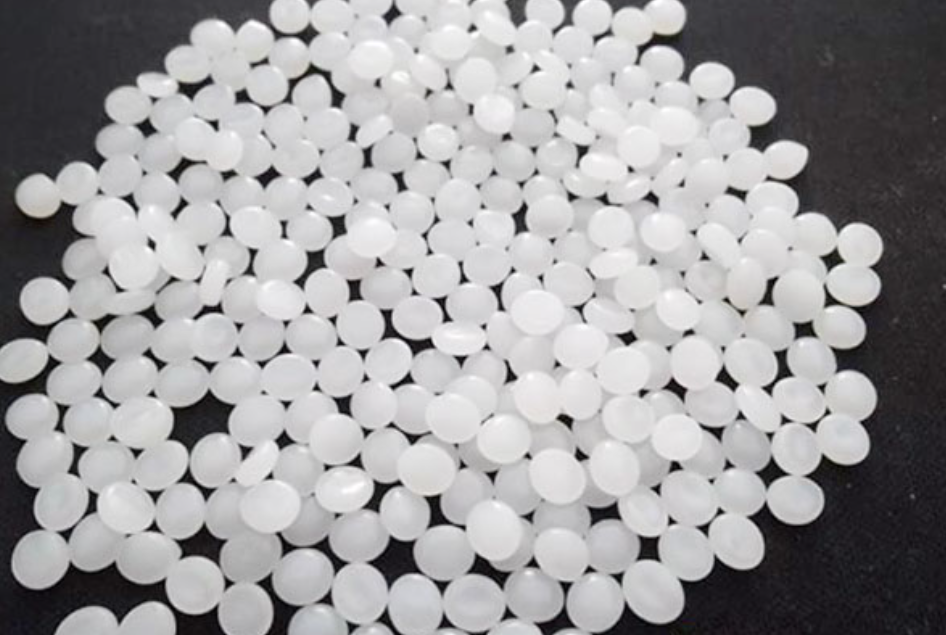
High Density Polyethylene (HDPE)
Found this useful?