Panama Canal Restrictions Prompt Petrochemical Rerouting to Cape of Good Hope
Panama Canal Restrictions Prompt Petrochemical Rerouting to Cape of Good Hope
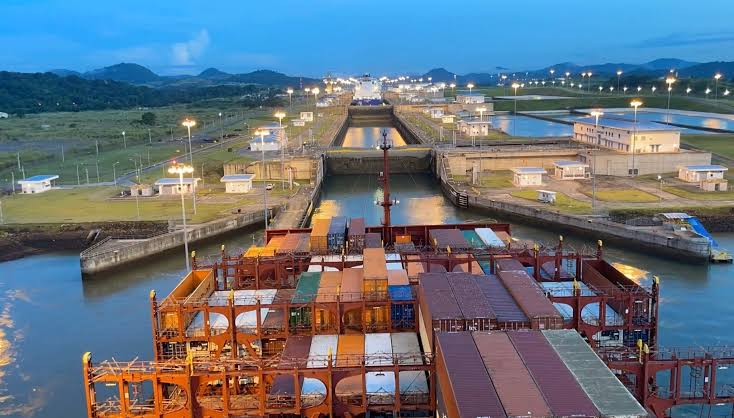
Lingering draft limits and reduced daily transit slots at the Panama Canal are pushing a growing share of large chemical and product tankers onto longer alternative routes, including the Cape of Good Hope. The restrictions—driven by low water levels in the canal’s watershed and successive cuts to Neopanamax and Panamax capacity—are lengthening voyage times for Asia-bound and trans-Pacific petrochemical cargoes, reducing effective fleet productivity and contributing to tighter regional inventories. For commodity polymers and related intermediates, the resulting logistics friction has supported firmer prices and forced buyers and traders to rebuild safety stocks and rethink routing assumptions that once treated the canal as a reliable, short path between the Atlantic and Pacific basins.
Nature of the Current Restrictions
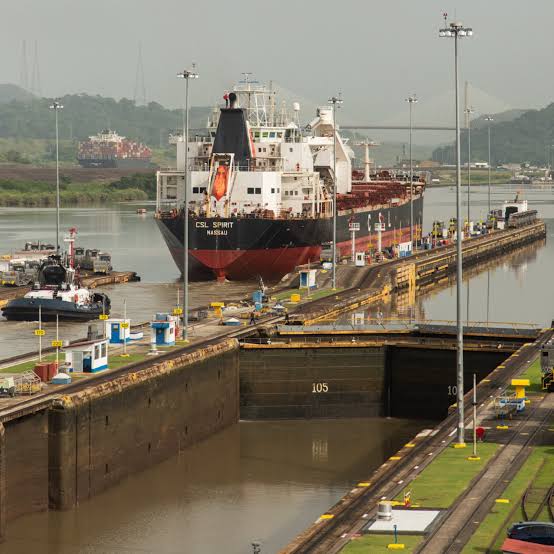
The Panama Canal Authority has cut allowable drafts for larger vessels and reduced the number of daily transit slots as it conserves water in Gatun Lake and related reservoirs. Neopanamax drafts have been lowered in steps, and daily slot allocations for both Neopanamax and Panamax locks have been scaled back. Vessels that cannot meet the reduced draft must either light-load—sacrificing cargo volume—or seek another route. Waiting times for ships without advance reservations have also lengthened, adding cost and uncertainty for time-sensitive chemical movements.
Why Chemical Tankers Are Affected
Many petrochemical cargoes move on vessels that sit near or above the restricted draft thresholds when fully loaded. US Gulf and Atlantic exporters of polymers, intermediates and chemicals bound for Asia, as well as some reverse flows, have traditionally used the canal to shorten the journey. When draft or slot constraints bind, operators face a choice: partial loading via Panama, costly waiting, or a full reroute via the Cape of Good Hope (or, where still viable, other passages). Each option raises the effective cost per tonne and reduces the number of voyages a given ship can complete in a year.
Cape of Good Hope as the Default Long Route
With other major chokepoints also under stress at various points in 2026, the Cape of Good Hope has absorbed traffic that can no longer move efficiently through Panama or preferred eastern routes. The Cape adds substantial distance and days at sea compared with a Panama transit. That extra ton-mile demand ties up tanker capacity, supports higher freight rates on the affected lanes and delays the arrival of cargoes into Asian and other destination markets. For just-in-time or lean-inventory chemical supply chains, those delays translate quickly into local tightness.
Inventory and Price Effects
Longer transit times and reduced effective capacity mean that the same volume of production takes longer to reach customers. Regional inventories of commodity polymers and certain intermediates can tighten even when nameplate production is unchanged. Traders and converters respond by bidding more aggressively for prompt cargoes, supporting spot prices and, in some cases, pulling contract prices higher. The effect is most visible on products that rely heavily on long-haul seaborne movements between the Americas and Asia and that have limited near-term substitution options.
Operational Responses by Shippers and Producers
Producers and traders are adjusting by light-loading where Panama remains the better option, booking alternative routes earlier, increasing safety stocks at destination, and in some cases shifting volumes toward customers that can be served without canal transit. Freight contracts and surcharges are being rewritten to reflect the higher probability of diversion. Procurement teams are also scrutinising lead times more carefully and dual-sourcing where possible to reduce exposure to a single long-haul lane.
Outlook
Panama Canal draft and slot restrictions are not a short-lived weather blip; they reflect structural water-management constraints that can persist or recur with rainfall patterns. As long as large chemical tankers face meaningful draft or queue limits, a share of petrochemical traffic will continue to route via the Cape of Good Hope or other longer paths. That will keep effective fleet capacity tighter, support elevated logistics costs and contribute to periodic inventory and price spikes in destination markets. For the petrochemical supply chain, the practical response is to treat Panama as a constrained, not guaranteed, corridor—and to plan inventories, contracts and routing flexibility accordingly.
Sources
Disodium Octaborate Tetrahydrate
Found this useful?