Paraxylene: Uses in Polyester Production and Global Demand
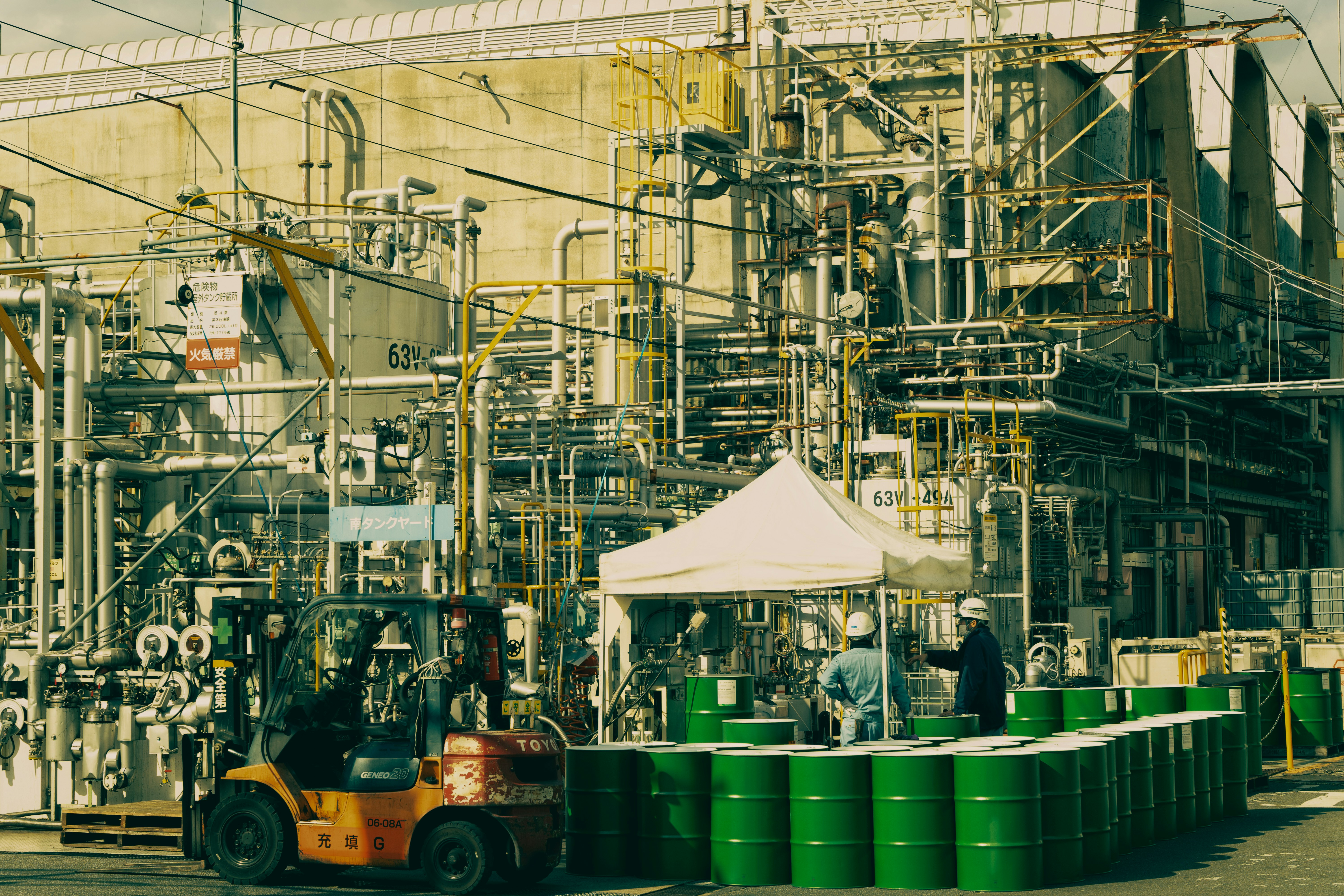
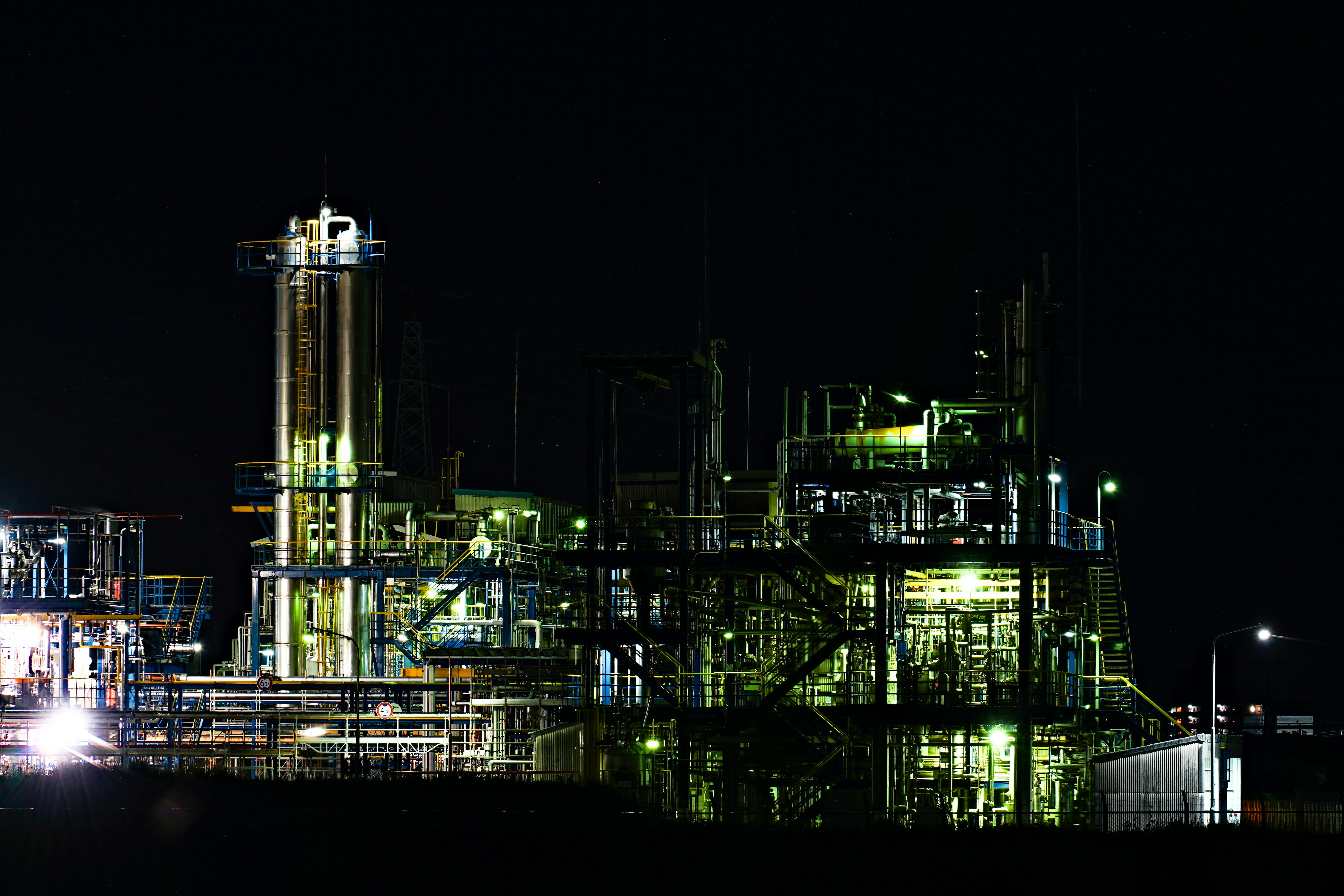
Paraxylene, commonly known as PX, is a major aromatic hydrocarbon used in the global petrochemical industry. It plays a central role in polyester manufacturing because producers use it to manufacture purified terephthalic acid (PTA), a key raw material for polyester fibres and polyethylene terephthalate (PET).
Demand for paraxylene closely follows activity in textile manufacturing, clothing production, plastic packaging and beverage containers. As these industries expand, PTA producers require reliable PX supplies to maintain production schedules and meet downstream customer requirements.
The paraxylene market also depends on refinery operations, aromatic feedstock availability, production capacity and international trade flows. Understanding these connections helps chemical buyers, traders and manufacturers assess market conditions and make better sourcing decisions.
What Is Paraxylene and How Is It Produced?
Paraxylene is one of three main xylene isomers, alongside orthoxylene and metaxylene. Its chemical structure contains a benzene ring with two methyl groups positioned opposite each other, making it an important intermediate in aromatic petrochemical production.
Manufacturers generally obtain paraxylene from mixed xylenes streams generated during petroleum refining and petrochemical processing. Refinery reformate and pyrolysis gasoline are important sources of these aromatic feedstocks.
Producers separate paraxylene from other xylene isomers through specialised separation technologies. They may also use isomerisation processes to convert other xylene isomers into a mixture from which additional paraxylene can be recovered.
The resulting product serves primarily as a feedstock for PTA production. Its purity and consistency matter because downstream oxidation processes require suitable raw material quality to produce PTA that meets polyester manufacturing specifications.
How Paraxylene Supports Polyester Production
The polyester value chain depends on several connected chemical processes. Paraxylene enters this chain at the PTA manufacturing stage, where producers convert it into purified terephthalic acid through oxidation and purification.
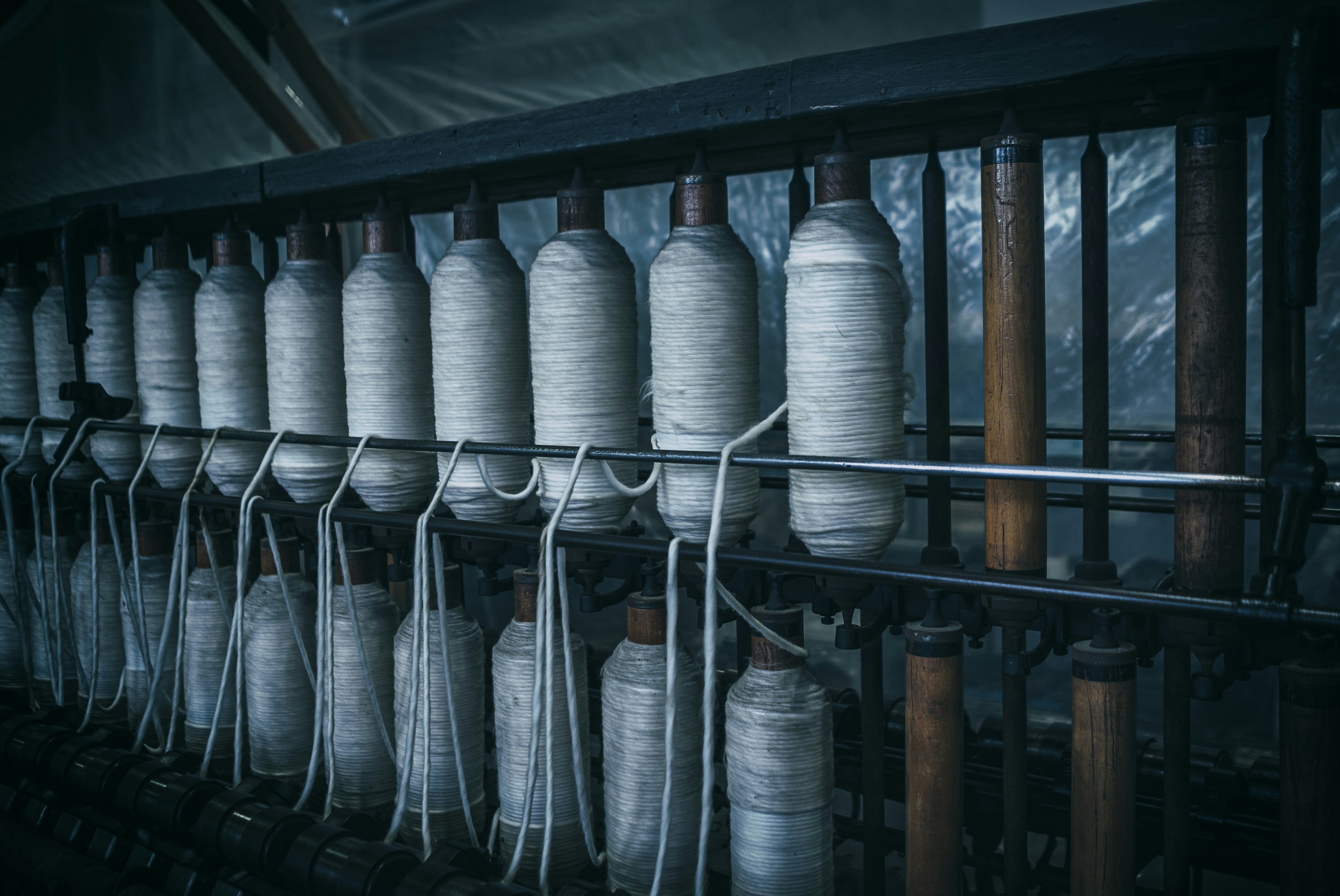
PTA then reacts with monoethylene glycol (MEG) to produce polyester polymer. Manufacturers process this polymer into different forms, including polyester staple fibre, filament yarn, PET resin and polyester film.
Paraxylene to Purified Terephthalic Acid
PTA production represents the most important application of paraxylene. Manufacturers oxidise PX using air in the presence of a catalyst and acetic acid solvent to produce crude terephthalic acid.
The process then removes impurities through purification, crystallisation and drying. The resulting PTA provides the required quality for downstream polyester production.
PTA purity affects polymerisation performance and the quality of the finished polyester. Therefore, PTA manufacturers monitor paraxylene specifications and maintain consistent feedstock quality throughout production.
PTA and Monoethylene Glycol in Polyester Manufacturing
After PTA production, manufacturers combine it with MEG through polymerisation. This reaction creates polyester polymer, which processors convert into fibre, resin, film and other products.
The quality of both raw materials influences manufacturing efficiency and final product characteristics. Stable PTA and MEG supplies help producers maintain consistent output and reduce interruptions across their production lines.
Major Industrial Uses of Paraxylene-Based Polyester
Paraxylene supports several large industrial markets through its role in PTA and PET manufacturing. Polyester fibres and PET resin account for the most important downstream applications.
Polyester Fibres for Textiles and Apparel
Textile manufacturing represents a major source of demand for paraxylene-based products. Polyester fibres offer durability, wrinkle resistance, dimensional stability and relatively easy care, making them suitable for a wide range of textile applications.
Manufacturers use polyester fibres in clothing, sportswear, home furnishings, upholstery, carpets and industrial fabrics. They can also blend polyester with cotton, viscose and other fibres to achieve specific performance and cost requirements.
The growth of textile manufacturing in Asia and other production centres supports continued demand for PTA and paraxylene. Changes in apparel exports, consumer spending and textile capacity can therefore influence PX purchasing activity.
PET Resin for Bottles and Packaging
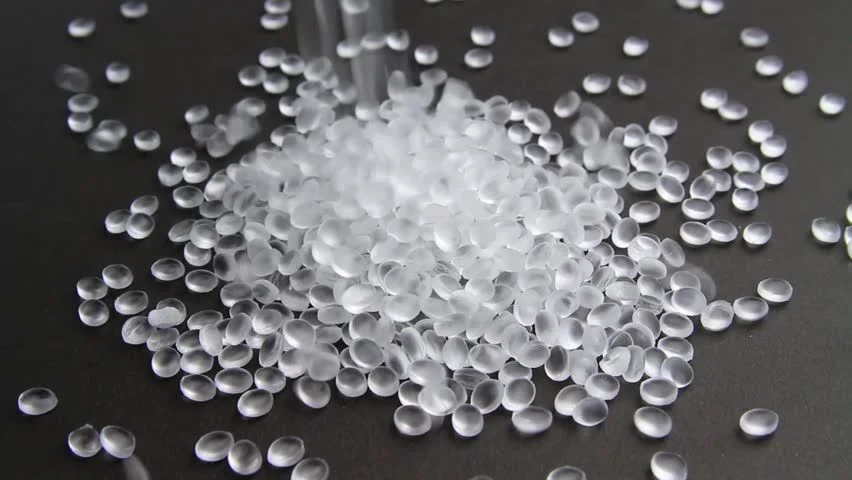
PET resin is another major downstream application of paraxylene. Manufacturers use PTA and MEG to produce PET, which packaging companies process into bottles, containers, trays and other packaging formats.
The beverage industry uses PET bottles for water, carbonated drinks and other beverages because the material offers low weight, transparency and useful mechanical strength. Food and personal care manufacturers also use PET packaging for selected products.
Growing demand for packaged beverages and consumer goods supports PET production. Recycling requirements and the availability of recycled PET can also influence demand for virgin PET resin and its upstream raw materials.
Polyester Films and Industrial Applications
PTA-based polyester also enters film production. Manufacturers use polyester films in flexible packaging, electrical insulation, labels, imaging materials and selected industrial applications.
These films provide useful strength, dimensional stability and resistance to moisture. Their performance makes them suitable for applications where packaging durability or electrical properties matter.
Some polyester-based materials also serve in automotive components and industrial products. These applications contribute to the broader demand for PTA and paraxylene, although their share remains smaller than major fibre and PET markets.
Global Paraxylene Demand and Market Trends
Asia holds a central position in the global paraxylene industry. The region contains major refining, PX, PTA, polyester and PET manufacturing facilities, creating strong links between upstream production and downstream consumption.
S&P Global's August 2026 Chemical Economics Handbook abstract identifies Asia as the largest centre of global PX capacity in 2025. It also highlights the contrasting regional development of the industry, with substantial capacity additions in Asia and the Middle East while some older facilities in North America and Europe have undergone consolidation.
S&P Global
China plays an especially important role because of its large petrochemical and polyester manufacturing base. Other important Asian markets include South Korea, Japan, Taiwan and India, which participate in production, trade or downstream consumption.
Textile and Packaging Demand
Global textile output remains a key influence on paraxylene consumption. Clothing, home textiles and industrial fabrics require polyester fibres, while PET production supports packaging demand across beverage, food and consumer goods markets.
The balance between virgin and recycled materials also affects purchasing requirements. Brands and packaging manufacturers increasingly assess recycled content, material costs and product performance when selecting PET inputs.
Capacity Expansion and Regional Competition
New PX and PTA facilities can change regional supply balances. When producers commission additional capacity, buyers may gain access to more supply, although the effect on prices depends on operating rates, export availability and downstream demand.
Asia and the Middle East have strengthened their positions through investment in integrated refining and petrochemical complexes. These facilities can connect aromatic feedstocks with PX, PTA and polyester production, supporting operational efficiency and regional competitiveness.
Market Prices and Feedstock Conditions
Paraxylene prices respond to several connected market factors. Crude oil and naphtha prices influence the cost of refinery-derived aromatic feedstocks, while mixed xylene availability and plant operating rates affect PX supply.
PTA production margins and polyester operating rates also influence buying activity. When downstream producers experience weak margins, they may reduce operating rates or delay purchases, even if upstream PX supply remains available.
S&P Global's December 2025 outlook for 2026 expected Asian PX prices to receive support from tighter supply conditions, while PTA producers continued to face pressure from excess capacity and weak margins. This highlights how upstream and downstream market conditions can move in different directions.
S&P Global
Key Factors for Paraxylene Procurement and Supply Management
Chemical buyers should assess more than the quoted price when sourcing paraxylene. Feedstock quality, supplier reliability, logistics and delivery conditions all influence the total cost and operational risk of procurement.
Product Quality and Specifications
Buyers should request a current certificate of analysis and review the supplier's technical specifications. Important checks include product purity, water content, colour and relevant impurity limits required by the buyer's downstream process.
PTA producers should confirm that the supplied material meets their process requirements. Consistent quality helps reduce processing complications and supports stable production performance.
Supplier Reliability and Contract Terms
A reliable supplier should provide clear delivery schedules, product documentation and consistent communication. Buyers should also review the supplier's production capacity, export experience and ability to fulfil contracted volumes.
Long-term supply agreements can help manufacturers manage availability and reduce exposure to sudden supply disruptions. However, contract terms should clearly define pricing mechanisms, quality requirements, shipment schedules and procedures for handling specification differences.
Storage, Handling and Transportation
Paraxylene is a flammable liquid, so its storage and transportation require appropriate industrial safety controls. Buyers and logistics providers should follow the product's safety data sheet and applicable regulations for tank storage, loading, unloading and transport.
Its relatively high freezing point also makes temperature management important in cooler conditions. Suppliers and buyers should confirm suitable storage and handling arrangements to prevent solidification and maintain safe product transfer.
GSCaltex+1
Future Outlook for the Paraxylene Industry
The long-term outlook for paraxylene remains closely connected to polyester consumption, PET packaging demand and the development of global petrochemical capacity. Growing demand for affordable textile materials and packaged consumer products can support the need for PTA and PX.
However, future market growth will depend on more than consumption alone. New production capacity, refinery economics, recycled PET adoption, energy costs and trade conditions will influence the balance between supply and demand.
Manufacturers are also exploring lower-carbon production pathways and alternative feedstock sources. Research into bio-based paraxylene offers a potential route to producing PTA and polyester with a different feedstock profile, although commercial scale and cost competitiveness remain important considerations.
For chemical traders and procurement teams, monitoring regional capacity, PTA operating rates and polyester demand can provide useful signals about future purchasing requirements. Buyers that maintain supplier relationships and evaluate market fundamentals can respond more effectively to changes in availability and pricing.
Polyethylene Terephthalate (PET)
Found this useful?