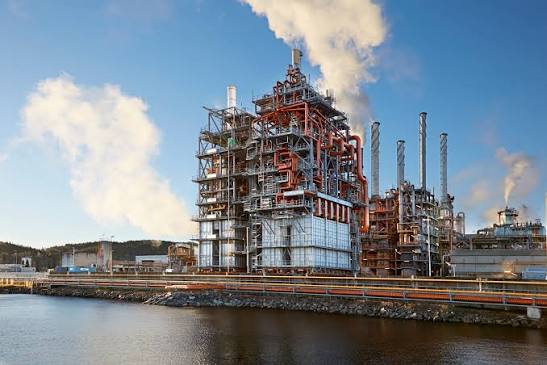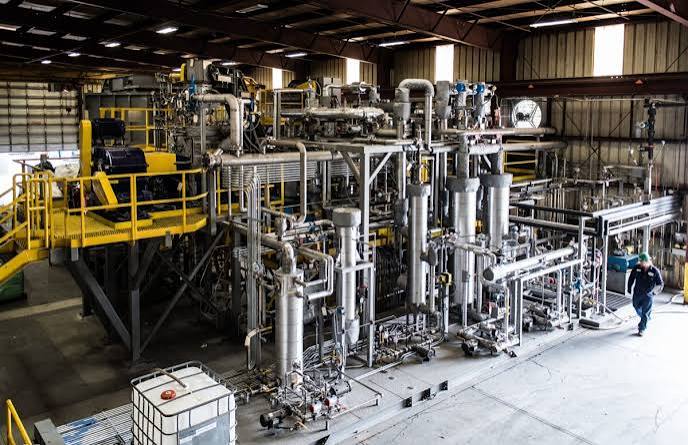
Perpetual Next and Lhyfe Explore Green Hydrogen for a Dutch Biomethanol Plant
Perpetual Next and Lhyfe are exploring a potential long-term supply agreement for renewable hydrogen to support the planned DeltaNor biomethanol facility in Delfzijl, the Netherlands.
Under a memorandum of understanding (MoU) announced on October 5, 2026, the companies aim to assess a supply of up to 12,000 tonnes of renewable hydrogen annually. The hydrogen could help convert more biomass-derived carbon into biomethanol, improving production yields and supporting lower-carbon alternatives for the maritime and chemical industries.
The proposed partnership brings renewable hydrogen production and biomass-based chemical manufacturing together within the Groningen industrial cluster, illustrating how integrated feedstock strategies could support the transition away from fossil-based raw materials.
How Green Hydrogen Can Improve Biomethanol Production
Biomethanol is produced using renewable biological feedstocks rather than relying entirely on fossil-based raw materials.
In the DeltaNor process, biomass-derived syngas contains hydrogen and carbon monoxide. Supplementing this stream with renewable hydrogen could help convert a greater share of its biogenic carbon into biomethanol.
The proposed value chain is:
Biogenic Residues → Biocarbon → Gasification → Syngas + Renewable Hydrogen → Biomethanol
This integration could improve feedstock utilization and increase output from the available biogenic carbon.
The commercial benefit will depend on hydrogen pricing, plant design, conversion efficiency, energy requirements, and the ability to secure consistent renewable hydrogen supplies.
Project Overview
Project detail | Current plan |
|---|---|
Companies | Perpetual Next and Lhyfe |
Biomethanol facility | DeltaNor |
Location | Delfzijl, Netherlands |
Planned biomethanol capacity | 220,000 tonnes per year |
Potential renewable hydrogen supply | Up to 12,000 tonnes per year |
Hydrogen project | Lhyfe's planned Delfzijl production facility |
Agreement status | MoU; technical and commercial evaluation ongoing |
The proposed hydrogen supply is not yet a finalized long-term contract. Any arrangement remains subject to further technical and commercial assessment, including the integration of the hydrogen production and biomethanol facilities.
Why Delfzijl Matters
Delfzijl is an established industrial and chemical cluster in the Netherlands, with existing hydrogen demand and infrastructure supporting chemical manufacturing.
Developing renewable hydrogen and biomethanol projects in the same industrial area could create several advantages:
Potentially shorter hydrogen transport distances
Integration with existing industrial infrastructure
Opportunities for coordinated energy and feedstock planning
Stronger connections between renewable energy and chemical production
Potential efficiencies from colocated industrial operations
The location also positions DeltaNor within a European market seeking alternatives to fossil-based fuels and chemical feedstocks.
DeltaNor's Role in Sustainable Methanol Supply
Perpetual Next is developing DeltaNor as a large-scale biomethanol facility designed to convert biomass-derived resources into renewable methanol.
The company plans to use biocarbon produced through a pretreatment process known as carbonization or torrefaction. This helps prepare biomass-based feedstock for gasification using established industrial technology.
The planned 220,000-tonne annual capacity could provide biomethanol for applications across the chemical and maritime sectors.
Methanol is already an important chemical building block used in producing a wide range of materials. Biomethanol can serve as an alternative to conventional methanol when the production pathway and sustainability credentials meet customer and regulatory requirements.
Lhyfe's Renewable Hydrogen Opportunity
Lhyfe is developing renewable hydrogen production projects in Europe, including a planned 120 MW installation in Delfzijl.
The proposed relationship with Perpetual Next could provide a potential industrial customer for locally produced renewable hydrogen while helping DeltaNor assess a feedstock strategy intended to improve biomethanol yields.
For hydrogen developers, industrial offtake arrangements are important because they can help demonstrate demand and strengthen the commercial case for production investments.
For biomethanol producers, access to competitively priced renewable hydrogen may help improve conversion efficiency while supporting lower-carbon production goals.
Both projects still need to establish their technical, financial, and commercial viability.
Market Implications
The proposed partnership reflects several wider developments in renewable chemicals.
1. Integrated Feedstock Strategies
Combining biomass-derived syngas with renewable hydrogen can connect biological carbon resources with renewable electricity.
2. Demand for Renewable Hydrogen
Industrial projects may create new sources of demand for hydrogen as a chemical feedstock rather than solely as an energy carrier.
3. Biomethanol Production Potential
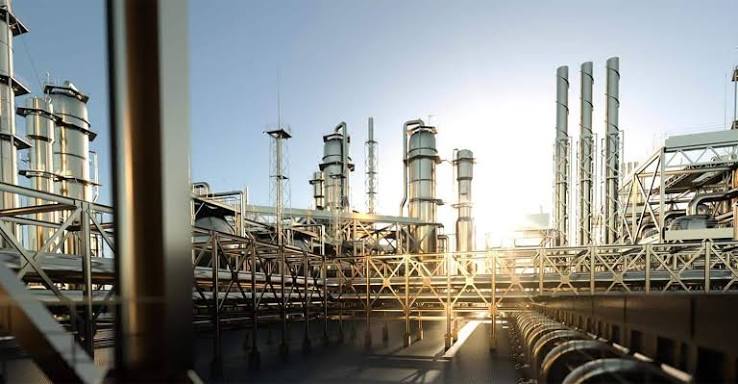
Improved carbon conversion could help biomethanol producers increase output from available biogenic feedstocks.
4. Maritime Decarbonization
Renewable methanol is being explored as a lower-carbon fuel option for shipping, subject to fuel availability, lifecycle emissions, vessel technology, and applicable regulations.
5. Regional Industrial Integration
Colocating hydrogen production and biomethanol manufacturing may create opportunities for more efficient infrastructure and feedstock coordination.
Competitive Intelligence
Companies monitoring sustainable feedstocks and renewable chemicals should track several indicators as the project develops.
Hydrogen supply agreement: Whether the MoU progresses into a binding long-term supply contract.
Project investment decisions: Whether DeltaNor and Lhyfe's planned hydrogen facility advance toward final investment decisions.
Hydrogen economics: The delivered cost of renewable hydrogen and its impact on biomethanol production costs.
Production performance: Evidence that additional hydrogen improves carbon conversion and plant yields.
Offtake commitments: Agreements with chemical manufacturers, shipping fuel suppliers, or other biomethanol customers.
Regulatory support: Policies and support mechanisms that affect renewable hydrogen and biomethanol economics.
Procurement Considerations
Chemical manufacturers, fuel buyers, and industrial procurement teams should assess renewable feedstock projects using both sustainability and commercial criteria.
Recommended actions include:
Monitor progress toward final investment decisions and construction.
Evaluate renewable hydrogen pricing and supply reliability.
Assess biomethanol specifications and production volumes.
Request traceability and sustainability documentation.
Compare lifecycle emissions with fossil-based alternatives.
Review long-term supply contracts and delivery arrangements.
Diversify sourcing options while emerging projects scale up.
Renewable feedstocks may offer strategic advantages, but procurement decisions should be based on verified specifications, reliable supply, and transparent lifecycle data rather than sustainability claims alone.
Looking Ahead
The Perpetual Next–Lhyfe MoU highlights the growing connection between renewable hydrogen and biomass-based chemical manufacturing.
If the planned projects advance, renewable hydrogen could help DeltaNor convert more biogenic carbon into biomethanol, supporting potential supply to chemical and maritime markets.
The next milestones are the technical and commercial evaluation, confirmation of a hydrogen supply arrangement, project financing, and progress toward final investment decisions.
For the wider chemical industry, the project demonstrates how integrated renewable feedstock systems may help create new pathways for lower-carbon fuels and chemical raw materials.
Key Takeaways
Perpetual Next and Lhyfe are exploring renewable hydrogen supply for the planned DeltaNor biomethanol facility.
The MoU targets a potential supply of up to 12,000 tonnes of renewable hydrogen annually.
DeltaNor is planned to produce 220,000 tonnes of biomethanol per year.
Renewable hydrogen could improve conversion of biomass-derived carbon into biomethanol.
The projects could support renewable feedstock development for chemical manufacturing and maritime applications.
The supply arrangement remains subject to technical and commercial evaluation.
Hydrogen pricing, project financing, production performance, and offtake agreements will be important milestones.
Sources
https://chemxplore.com/news/perpetual-next-lhyfe-biomethanol-hydrogen-mou
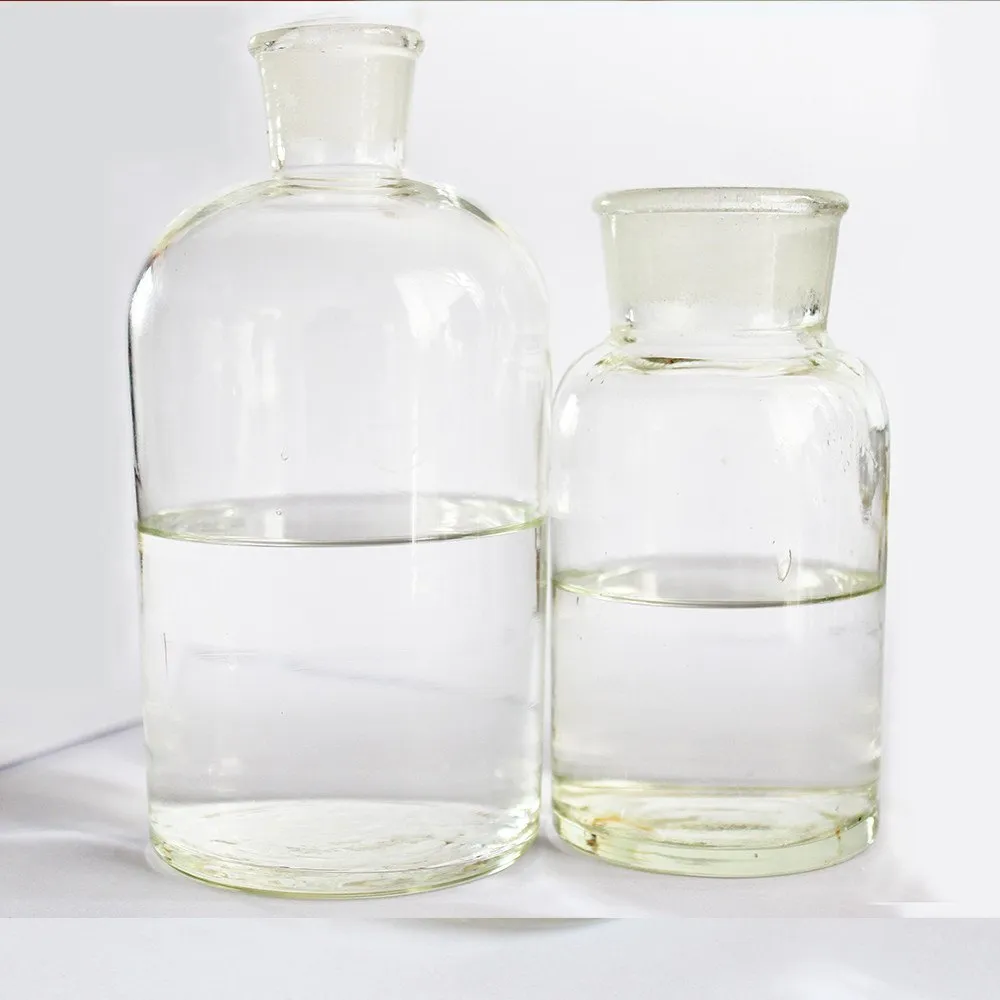
Methanol
Found this useful?