PETRONAS’s Advanced Sustainable Fuel Powers Mercedes in F1
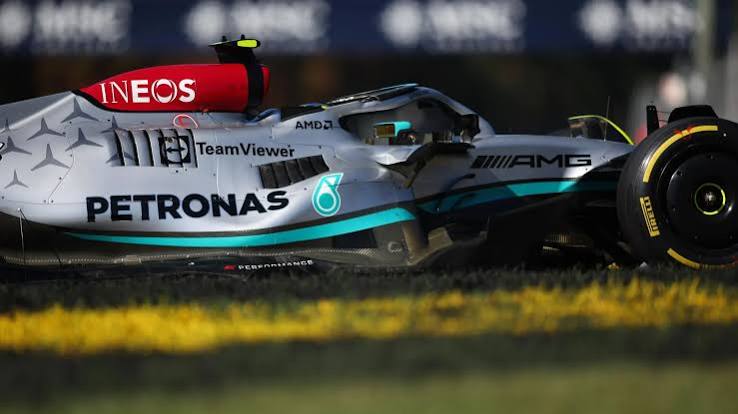
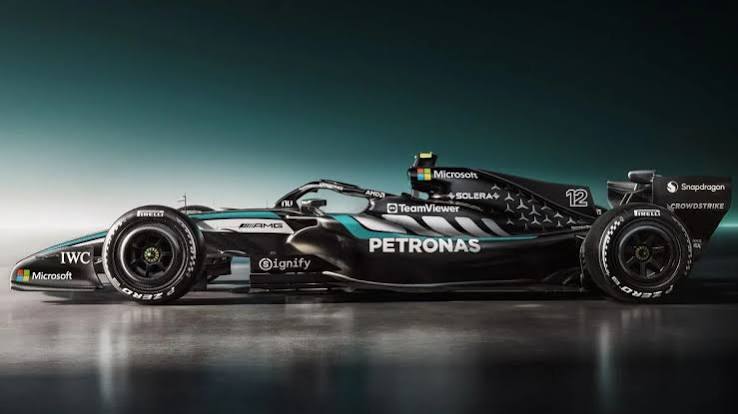
PETRONAS is advancing sustainable fuel innovation as Mercedes-AMG PETRONAS Formula One Team competes in Formula 1’s first season requiring advanced sustainable fuels in 2026. The fuel is engineered to meet the demands of modern hybrid power units while complying with the sport’s sustainability requirements. (PETRONAS)
The development extends beyond motorsport. PETRONAS is building its sustainable-fuel portfolio around Sustainable Aviation Fuel (SAF), Hydrotreated Vegetable Oil (HVO) and bio-naphtha, connecting fuel research with a broader renewable feedstock value chain. (PETRONAS)
From Formula 1 to Commercial Fuels
Formula 1 provides a demanding environment for fuel development, where energy density, combustion behaviour and engine compatibility are critical. PETRONAS’s collaboration with Mercedes-AMG PETRONAS applies fuel expertise to the requirements of the sport’s new hybrid power units. The team describes the 2026 fuel as a drop-in solution designed to operate without engine redesign. (Mercedes-AMG PETRONAS F1 Team)
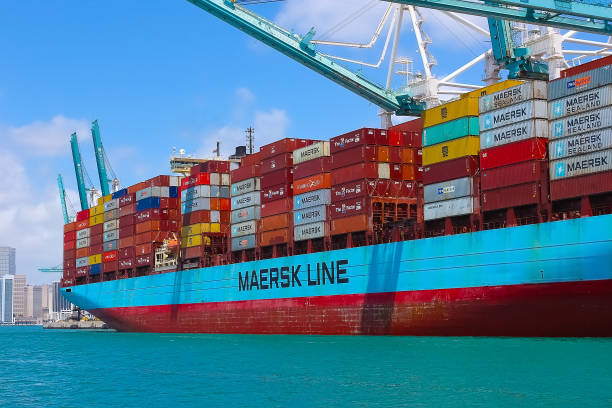
PETRONAS is also applying sustainable fuels to transport operations. Its existing initiatives include HVO100 for Formula 1 logistics, SAF for aviation partners and B24 marine fuel blends. These applications demonstrate how renewable fuel development can extend across road freight, aviation and shipping. (PETRONAS)
Malaysia’s Biorefinery Investment
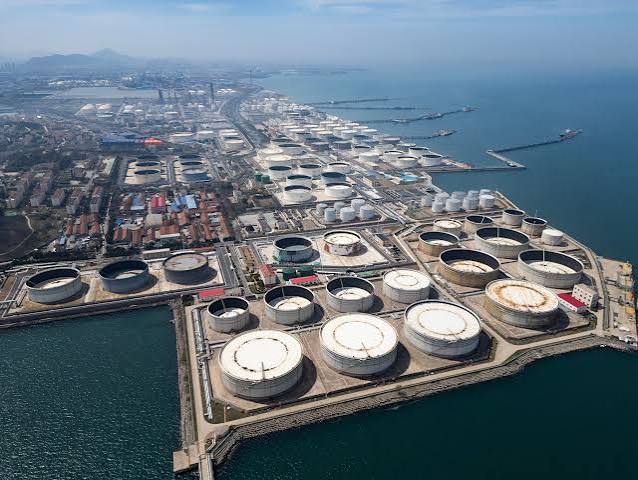
A major part of PETRONAS’s strategy is its planned biorefinery at the Pengerang Integrated Complex in Johor, Malaysia, developed with Enilive and Euglena. The facility is designed to process approximately 650,000 tonnes of renewable feedstocks annually and produce SAF, HVO and bio-naphtha. Operations are targeted for the second half of 2028. (PETRONAS; Reuters)
The proposed feedstock mix includes used vegetable oils, animal fats, residues from vegetable-oil processing and potential future exploration of microalgae oils. This approach can turn selected waste streams and residues into inputs for lower-carbon fuel production, although commercial viability depends on feedstock availability, quality, processing costs and applicable sustainability criteria. (PETRONAS)
Why It Matters for Chemical and Feedstock Markets
The expansion of sustainable fuels could create opportunities across renewable feedstock collection, pretreatment, refining technology, quality testing and logistics. Used cooking oil, animal fats and other eligible residues require suitable handling and processing before they can be converted into finished fuels.
For chemical suppliers and industrial buyers, the trend makes feedstock traceability, impurity control, process efficiency and reliable supply increasingly relevant. However, the scale of any resulting demand for individual chemicals will depend on plant design, technology choices and operating requirements.
What Buyers and Suppliers Should Watch
Feedstock availability: Competition for eligible waste oils, fats and processing residues may influence sourcing costs.
Pretreatment requirements: Feedstock quality and contaminant levels can affect processing performance.
SAF and HVO capacity: New biorefineries may broaden regional renewable-fuel production.
Supply-chain traceability: Buyers will need credible documentation on feedstock origin and sustainability claims.
Technology transfer: Experience from demanding applications such as Formula 1 can contribute to fuel development, but commercial-scale performance must be assessed independently.
Outlook
PETRONAS’s Formula 1 fuel programme and Malaysian biorefinery investment illustrate two connected parts of its strategy: developing advanced fuels for high-performance engines and expanding production pathways for renewable fuels. The planned Pengerang facility, with operations targeted for the second half of 2028, will be an important project to monitor as the Asian SAF and renewable-diesel markets develop. (PETRONAS; Reuters)
For the wider chemical industry, the key opportunity lies in supporting the renewable feedstock chain with reliable materials, processing capabilities, quality assurance and logistics not simply in the finished fuel itself.
Source: https://chemxplore.com/news/petronas-sustainable-fuel-innovation
Choline Chloride 75% Liquid
Found this useful?