PFAS Health Impact Concerns Continue Anchoring Pharmaceutical Industry Regulatory Interest

PFAS Health Impact Concerns Continue Anchoring Pharmaceutical Industry Regulatory Interest
Introduction
Concerns surrounding the potential health effects of per- and polyfluoroalkyl substances (PFAS) continue to attract regulatory attention across the pharmaceutical and broader chemical industries. PFAS are a large group of synthetic chemicals known for their persistence in the environment, and growing scientific and regulatory scrutiny has increased pressure on companies to better understand their potential risks.
For pharmaceutical companies and chemical manufacturers, the issue extends beyond environmental compliance. PFAS-related concerns can influence product development, manufacturing practices, supply chains, regulatory strategies, and long-term liability management.
Understanding PFAS Health Concerns
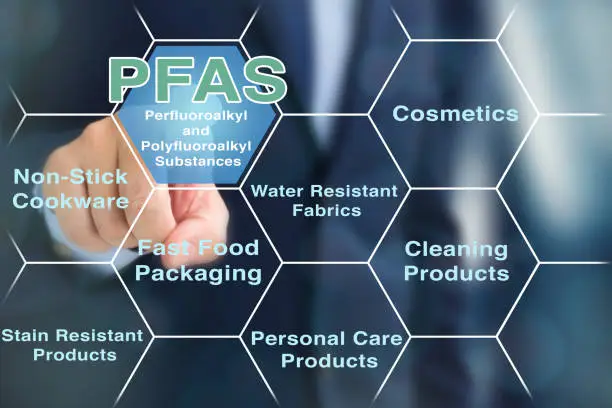
PFAS are widely used because of their resistance to heat, water, oil, and chemical degradation. These properties have made them valuable in numerous industrial and consumer applications.
However, some PFAS have been associated with potential health concerns. Scientific and regulatory bodies have investigated links between exposure to certain PFAS and outcomes including changes in cholesterol levels, immune-system effects, developmental impacts, and certain cancers.
Because PFAS can persist in the environment and some compounds can remain in the human body for extended periods, regulators continue to focus on reducing exposure and limiting environmental releases.
Growing Regulatory Attention
Health concerns are an important factor behind the increasing regulatory focus on PFAS. Authorities in the United States and other markets are implementing measures related to PFAS monitoring, reporting, emissions control, drinking-water standards, and contaminated-site remediation.
In the United States, the regulatory approach has increasingly emphasized identifying sources of PFAS contamination and establishing responsibilities for managing environmental risks.
This evolving regulatory environment means companies involved in producing, processing, or using PFAS-related materials must closely monitor changing requirements.
Relevance to the Pharmaceutical Industry
The pharmaceutical industry has a particular interest in PFAS because chemical substances can appear at different points throughout the pharmaceutical value chain. PFAS-related materials may be relevant to specialized manufacturing processes, equipment, packaging, laboratory applications, or other industrial activities.
At the same time, pharmaceutical companies must distinguish between substances that are intentionally used in a product and PFAS that may be associated with manufacturing equipment, environmental releases, or supply-chain activities.
As regulatory definitions and reporting requirements evolve, companies may need to strengthen their ability to identify and track PFAS-related materials throughout their operations.
Impact on Manufacturing and Supply Chains
Increasing regulatory scrutiny could influence manufacturing decisions for pharmaceutical companies and their suppliers.
Manufacturers may need to evaluate whether alternative materials can replace PFAS-containing substances in specific applications without compromising product quality, safety, or manufacturing performance.
This could increase demand for:
PFAS-free materials and alternatives
Environmental monitoring systems
Specialized analytical testing
Improved waste-management practices
Supplier transparency and chemical inventories
Regulatory compliance expertise
For pharmaceutical supply chains, greater visibility into chemical inputs could become increasingly important as customers and regulators seek more information about potential PFAS exposure.
Environmental Liability and Compliance
PFAS concerns also create potential long-term environmental liabilities for companies operating manufacturing facilities.
Where PFAS contamination is identified, companies may face costs associated with investigation, monitoring, remediation, pollution-control systems, and legal proceedings. These liabilities can extend over many years because PFAS contamination may require long-term management.
As a result, environmental risk is becoming increasingly relevant to corporate financial planning and investment decisions within the pharmaceutical and chemical sectors.
Innovation and Safer Alternatives
Regulatory pressure can also encourage innovation. Pharmaceutical and chemical companies may invest in alternatives that provide similar technical performance without relying on substances subject to increasing regulatory restrictions.
Developing alternatives can be challenging because PFAS have unique physical and chemical properties. Any replacement must meet technical, safety, quality, and economic requirements before it can be adopted at scale.
This creates opportunities for research into new materials, coatings, manufacturing technologies, and chemical processes.
Challenges for the Industry
The pharmaceutical industry faces a difficult balance between maintaining product quality and responding to evolving environmental and health-related requirements.
Companies must consider the scientific evidence surrounding individual PFAS compounds while also preparing for potentially broader regulatory restrictions. Different jurisdictions may apply different definitions, thresholds, and reporting requirements, creating additional complexity for companies operating internationally.
Effective compliance therefore requires coordination between regulatory affairs, environmental health and safety, procurement, manufacturing, research, and legal teams.
Looking Ahead
PFAS health concerns are likely to remain an important component of pharmaceutical and chemical industry regulatory discussions. As scientific knowledge develops and governments introduce new controls, companies will need to continuously evaluate their exposure to PFAS-related risks.
The direction of regulation will also influence investment in alternative materials, manufacturing technologies, analytical capabilities, and environmental remediation.
For pharmaceutical companies, early identification of PFAS-related risks could help reduce future compliance costs and improve supply-chain resilience.
Conclusion
Growing concerns over the potential health and environmental effects of PFAS continue to shape regulatory priorities. For the pharmaceutical industry, the issue extends beyond environmental compliance to include manufacturing practices, supply-chain transparency, product development, and long-term liability management.
As regulators continue to strengthen PFAS oversight, pharmaceutical companies and their suppliers will increasingly need to understand where these substances may occur, evaluate viable alternatives, and maintain robust systems for monitoring and compliance.
The evolving PFAS landscape therefore represents both a regulatory challenge and an opportunity for the industry to invest in safer materials, cleaner manufacturing processes, and more resilient pharmaceutical supply chains.

Basic Chromium Sulphate

Found this useful?