Pharmaceutical Excipients Market: Trends and Applications in Drug Manufacturing
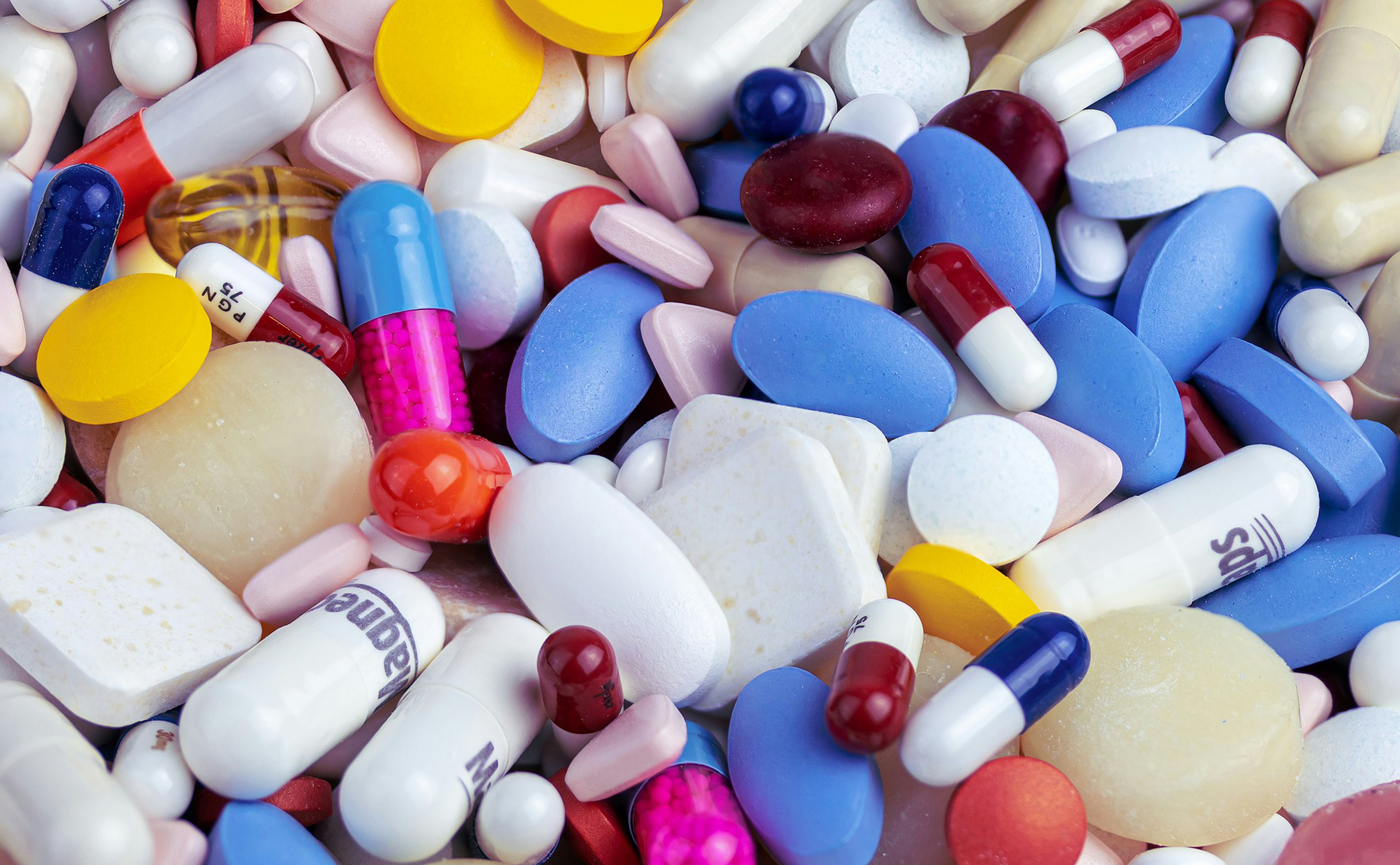
Pharmaceutical excipients are essential ingredients used alongside active pharmaceutical ingredients (APIs) during medicine manufacturing. Although they do not usually provide the primary therapeutic effect, they help transform active compounds into stable, effective and patient-friendly medicines.
They support important formulation functions, including improving drug stability, controlling release, enhancing solubility, maintaining consistency and making medicines easier to manufacture and administer.
Excipients are used across a wide range of dosage forms, including tablets, capsules, syrups, creams, injectables and advanced drug-delivery systems. As pharmaceutical companies develop more complex medicines and expand production, demand is increasing for excipients that offer reliable performance, consistent quality and specialized functionality.
Pharmaceutical Excipients Market Size and Growth Outlook
The global pharmaceutical excipients market is supported by expanding pharmaceutical production, increasing generic medicine demand and the development of advanced drug formulations.
According to MarketsandMarkets' October 2026 market report, the global pharmaceutical excipients market is estimated at USD 11.95 billion in 2026 and is projected to reach USD 15.99 billion by 2031, representing a compound annual growth rate (CAGR) of approximately 6.0%.
These figures are market-research estimates rather than audited industry totals. Estimates can differ between research providers because of variations in market definitions, product coverage and forecasting methods.
Several factors are contributing to this growth:
Rising production of generic and branded medicines
Increasing pharmaceutical manufacturing capacity in emerging markets
Growing demand for patient-friendly dosage forms
Expansion of biologics and specialty medicines
Greater use of functional and multifunctional excipients
Investment in formulation research and advanced drug-delivery technologies
The market is also moving beyond conventional high-volume ingredients towards specialized materials that can solve specific formulation and manufacturing challenges.
Major Applications of Pharmaceutical Excipients in Drug Manufacturing
Excipients perform different functions depending on the medicine's formulation, manufacturing process and intended delivery method.
1. Fillers and Diluents
Fillers and diluents provide bulk to tablets and capsules when the active ingredient is present in a relatively small quantity. They help achieve the required dosage size and support consistent manufacturing.
Common examples include lactose, microcrystalline cellulose, mannitol and calcium phosphate.
These ingredients are particularly important in oral solid dosage manufacturing, where accurate dosing, compressibility and consistent tablet weight are essential.
2. Binders
Binders help hold powder particles together during tablet formation. They improve the mechanical strength of tablets and reduce the risk of breakage during handling, packaging and transportation.
Common pharmaceutical binders include povidone, starch derivatives, hydroxypropyl cellulose and gelatin.
Their selection depends on the formulation's compatibility, manufacturing method and required tablet properties.
3. Disintegrants
Disintegrants help tablets break apart after administration, allowing the active ingredient to become available for dissolution and absorption.
Examples include croscarmellose sodium, sodium starch glycolate and crospovidone.
Superdisintegrants are especially useful in fast-disintegrating and immediate-release formulations, where rapid tablet breakup is an important performance requirement.
4. Lubricants and Glidants
Lubricants reduce friction between tablet ingredients and manufacturing equipment, helping tablets release from compression tooling. Glidants improve powder flow and support consistent filling and processing.
Magnesium stearate is a widely used lubricant, while colloidal silicon dioxide is commonly used as a glidant.
These materials help improve production efficiency, although their concentration must be carefully controlled because excessive lubrication can affect tablet hardness and dissolution.
5. Coating Agents
Coating agents provide protective or functional layers around tablets and other dosage forms. They can improve appearance, mask unpleasant tastes, protect ingredients from environmental conditions and support modified drug release.
Hydroxypropyl methylcellulose (HPMC), ethylcellulose and selected polymer systems are used in pharmaceutical coatings.
Enteric coatings are designed to resist dissolution in the stomach and release their contents under appropriate intestinal conditions.
6. Solubilizers and Stabilizers
Some active pharmaceutical ingredients have poor water solubility or are sensitive to environmental conditions. Solubilizers and stabilizers help address these formulation challenges.
Polysorbates, polyethylene glycols, cyclodextrins and selected surfactants are used in different formulations to improve solubility, dispersion or stability.
These excipients are increasingly relevant to complex medicines and formulations involving poorly soluble drug molecules.
Key Demand Trends Shaping the Market
Growing Demand for Multifunctional Excipients
Pharmaceutical manufacturers are increasingly interested in excipients that can perform more than one function. Multifunctional and co-processed excipients can combine properties such as binding, flow improvement and compressibility.
Their use may simplify formulation development, reduce the number of individual ingredients required and improve manufacturing consistency.
This trend is particularly relevant to high-volume tablet and capsule production, where process efficiency and reliable product quality are important commercial priorities.
Expansion of Biopharmaceuticals and Injectable Medicines
The growth of biologics, biosimilars and other advanced therapies is creating demand for specialized excipients.
Unlike many conventional small-molecule medicines, biologics can be sensitive to temperature, pH, agitation and other environmental conditions. Their formulations may require stabilizers, buffers, surfactants and other materials to maintain product quality during manufacturing, storage and distribution.
Injectable products also require careful control of excipient purity, compatibility and endotoxin-related quality attributes.
Increased Focus on Modified-Release Drug Delivery
Modified-release formulations are designed to control how quickly or where an active ingredient is released.
These systems can help maintain drug levels over longer periods, reduce dosing frequency or protect active ingredients from particular conditions in the gastrointestinal tract.
Cellulose derivatives, acrylic polymers and other specialized materials are used in sustained-release, delayed-release and enteric formulations.
As pharmaceutical companies develop more patient-focused dosage forms, demand for these functional excipients is expected to remain an important area of market development.
Plant-Based and Sustainable Excipients
Sustainability is becoming a consideration in pharmaceutical ingredient sourcing. Manufacturers are exploring plant-derived materials and renewable feedstocks where they can meet the required safety, quality and performance standards.
Cellulose derivatives, starches, alginates and other naturally derived materials are used in different pharmaceutical applications.
However, natural origin alone does not guarantee pharmaceutical suitability. Manufacturers must assess purity, microbial quality, composition consistency, traceability and potential variability between batches.
Growth in Generic Drug Manufacturing
Generic medicine production remains an important source of demand for conventional excipients such as fillers, binders, disintegrants and lubricants.
As manufacturers develop formulations that match the required quality and performance of reference products, they need excipients with consistent specifications and dependable supply.
This creates opportunities for suppliers that can provide established pharmaceutical grades, technical documentation and formulation support.
Regional Demand and Manufacturing Opportunities
Asia-Pacific is an important growth region for pharmaceutical excipients, supported by expanding medicine production, increasing healthcare demand and investment in pharmaceutical manufacturing infrastructure.
India and China are major pharmaceutical manufacturing markets, while other Asian economies are also developing their capabilities across generic medicines, specialty formulations and contract manufacturing.
North America and Europe remain significant markets because of their established pharmaceutical industries, advanced formulation research and stringent quality expectations.
For excipient suppliers, regional opportunities depend on more than production volume. Regulatory compliance, local customer relationships, technical service capabilities and supply reliability can influence supplier selection.
Quality, Regulation and Supply-Chain Considerations
Pharmaceutical excipients must meet appropriate quality and safety requirements for their intended use. Their performance can directly affect the stability, manufacturing consistency and quality of finished medicines.
Manufacturers and suppliers therefore need to consider:
Compliance with relevant pharmacopeial specifications
Supplier qualification and quality-management systems
Batch-to-batch consistency and traceability
Appropriate storage, handling and distribution practices
Impurity, contamination and microbial controls
Documentation supporting regulatory submissions and product development
The International Pharmaceutical Excipients Council (IPEC) updated its Qualification of Excipients for Use in Pharmaceuticals Guide and Checklist in 2026. The revised guidance highlights the importance of supplier qualification, effective communication and supply-chain security.
Supply-chain disruptions and dependence on limited sources can also create procurement risks. Pharmaceutical companies may therefore evaluate alternative suppliers and dual-sourcing strategies, while ensuring that any material or supplier change is appropriately assessed and validated.
Opportunities for Pharmaceutical Excipient Suppliers
The changing pharmaceutical manufacturing landscape offers opportunities for suppliers that combine product quality with technical expertise.
Potential growth areas include:
Specialized excipients for biologics and injectable formulations
Co-processed materials for efficient tablet manufacturing
Polymers for controlled and targeted drug release
Solubility-enhancing ingredients for challenging APIs
High-purity excipients for sensitive applications
Sustainable materials with consistent pharmaceutical-grade quality
Suppliers that offer formulation guidance, regulatory documentation and reliable delivery can build stronger relationships with pharmaceutical manufacturers and contract development and manufacturing organizations (CDMOs).
What the Market's Development Means for Drug Manufacturers
The pharmaceutical excipients market is evolving as medicine development becomes more complex and manufacturers place greater emphasis on product performance, process efficiency and supply-chain reliability.
Conventional ingredients will continue to support large-scale tablet, capsule and liquid medicine production. At the same time, specialized polymers, stabilizers, solubilizers and multifunctional materials are creating opportunities in advanced formulations.
For pharmaceutical manufacturers, choosing an excipient is no longer simply a matter of price or availability. Compatibility with the active ingredient, manufacturing performance, regulatory documentation and long-term supply reliability are all important considerations.
As investment in generic medicines, biologics and advanced drug-delivery systems continues, excipient suppliers with strong quality systems and formulation expertise are well positioned to serve the changing requirements of the pharmaceutical industry.
https://klinegroup.com/chemicals/europe-specialty-pharmaceutical-excipients-market/
https://www.dcatvci.org/features/whats-trending-in-excipients/?
https://www.marketsandmarkets.com/Market-Reports/pharma-excipients-market-956.html?
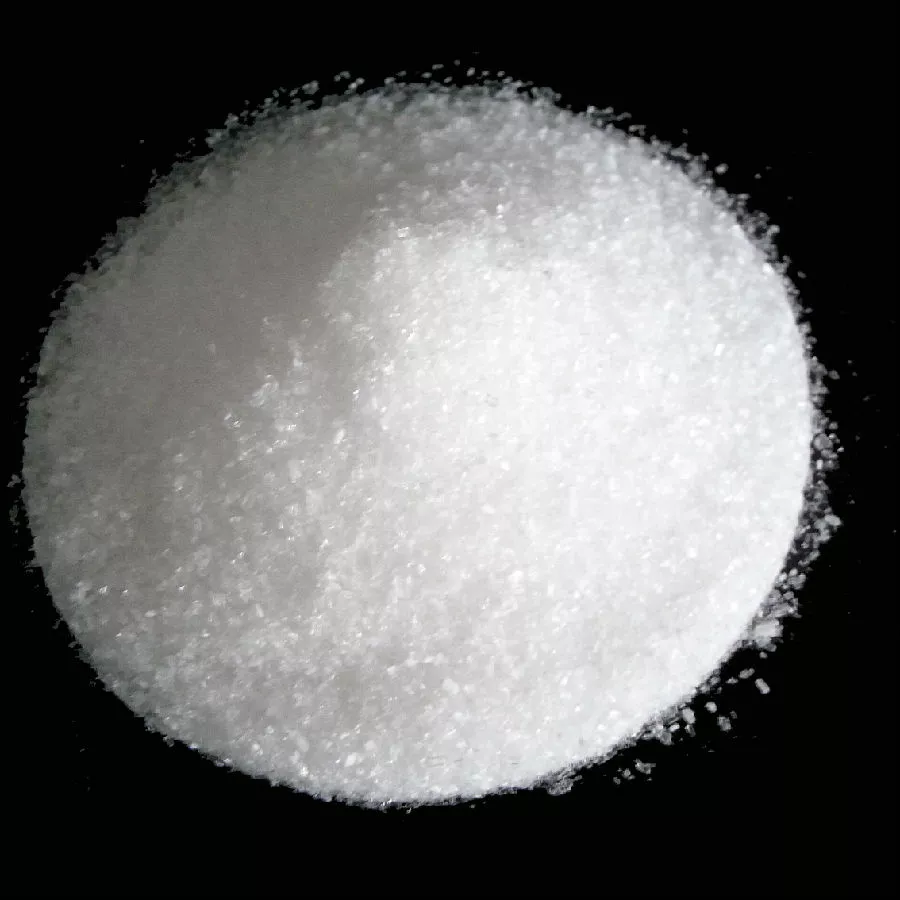
Magnesium Sulfate (Feed Grade)
Found this useful?