Phenolic Resins: Uses in Construction, Automotive and Electrical Components
Phenolic resins are synthetic thermosetting polymers produced through a chemical reaction between phenol and formaldehyde. They are valued across industrial manufacturing because they offer a combination of heat resistance, mechanical strength, dimensional stability and electrical insulation.
Unlike thermoplastics, which can soften when reheated, cured phenolic resins form a rigid cross-linked structure. Once fully cured, they cannot be melted and reshaped through ordinary heating.
These characteristics make phenolic resins suitable for products that must perform under demanding operating conditions. Their applications range from construction materials and automotive friction components to electrical switches, insulating parts and industrial laminates.
Key Properties That Make Phenolic Resins Valuable
The performance of phenolic resins depends on their formulation, curing conditions, fillers and intended application. However, several properties make them particularly useful in industrial production.
1. Heat resistance: Phenolic resins can maintain their structural performance under elevated temperatures, making them suitable for components exposed to heat during operation.
2. Mechanical strength: Their rigid structure provides hardness, strength and dimensional stability in molded products and composite materials.
3. Electrical insulation: Phenolic materials offer useful dielectric properties, supporting their application in electrical housings, terminal blocks and insulating components.
4. Chemical resistance: Depending on the formulation, they provide resistance to various oils, fuels, solvents and industrial chemicals.
5. Flame and smoke performance: Many phenolic formulations offer good fire performance and relatively low smoke generation compared with several alternative polymer systems. Actual performance depends on the grade, additives and applicable testing standards.
6. Adhesion and bonding: Phenolic resins can bond wood, fibres, mineral materials and other substrates, making them useful in adhesives, laminates and composite manufacturing.
Applications of Phenolic Resins in the Construction Industry
Construction is an important application area for phenolic resins because building materials often require reliable bonding, insulation and resistance to environmental conditions.
Plywood and Engineered Wood Products
Phenolic resin adhesives are widely used in plywood and other engineered wood products. They help bond wood veneers and provide strong adhesion under demanding moisture and temperature conditions.
These adhesives are particularly relevant to exterior-grade plywood and structural wood panels, where durability and resistance to moisture exposure are important.
Thermal and Acoustic Insulation
Phenolic resin systems are used in insulation products, including phenolic foam and as binders in mineral wool and glass-fibre insulation.
Phenolic foam is valued for its thermal insulation performance and fire-related properties. Mineral wool manufacturers also use suitable phenolic binders to hold fibres together and maintain product structure.
Decorative and Industrial Laminates
Phenolic resins are used in high-pressure laminates and other composite sheet materials. These products can provide hard, durable surfaces for furniture, worktops, wall panels and industrial applications.
Their dimensional stability and resistance to wear make them useful where surface durability is required.
Abrasives and Refractory Materials
Phenolic resins also serve as binders in abrasive products such as grinding wheels and coated abrasives. They help hold abrasive particles together while maintaining the required strength during use.
In selected refractory applications, phenolic binders support the production of materials designed for high-temperature industrial environments.
Automotive Industry: Brake Systems, Filters and Engine Components
The automotive industry uses phenolic resins in components that experience friction, heat, vibration and mechanical stress.

Brake Pads and Friction Materials
One of the best-known automotive applications is the production of brake pads and brake linings. Phenolic resins act as binding agents that hold together fibres, fillers and friction-modifying materials.
During braking, friction generates considerable heat. The resin binder must help maintain the structure and performance of the friction material under changing temperatures.
Phenolic resin formulations are also used in clutch linings and selected friction components for industrial and transportation equipment.
Automotive Filters
Phenolic resins are used in certain automotive air and oil filter manufacturing processes. They can help bond filter media, reinforce structural components and maintain the required shape during operation.
The specific resin grade depends on the filter's temperature exposure, fluid compatibility and manufacturing process.
Engine and Under-the-Hood Components
Phenolic molding compounds are suitable for selected automotive components exposed to heat and mechanical stress. Applications can include electrical housings, ignition components, motor-related parts and other molded components.
Their insulation and dimensional stability are particularly useful in areas where reliable performance is required despite temperature fluctuations.
Lightweight Composite Components
Phenolic resin systems can also be incorporated into fibre-reinforced composites. These materials are used in selected automotive interior, structural and protective applications.
Their suitability depends on the required weight, mechanical performance, fire specifications and manufacturing process.
Electrical and Electronic Components
Electrical manufacturing is another major application area for phenolic resins. Their insulating characteristics, heat resistance and dimensional stability make them useful in components that must maintain reliable electrical separation.
Switches and Circuit Breakers
Phenolic molding compounds are used in selected switch housings, circuit breaker components and electrical control equipment.
These applications require materials that can maintain their shape and insulating properties under operating temperatures and electrical stresses.
Terminal Blocks and Fuse Holders
Phenolic materials are used to manufacture terminal blocks, fuse holders and other electrical connection components.
Their mechanical rigidity helps support electrical contacts, while their dielectric properties help reduce the risk of unintended current paths through the component body.
Connectors and Insulating Components
Phenolic resins are used in selected connectors, coil supports, sockets and insulating parts. They can provide the required combination of mechanical strength, heat resistance and electrical performance.
Manufacturers select specific grades according to voltage requirements, operating temperatures, flame performance and applicable electrical safety standards.
Electrical Laminates
Phenolic resin-impregnated paper and fabric laminates are used in insulating sheets and industrial electrical components.
These materials are manufactured by combining reinforcing substrates with resin, followed by curing under controlled conditions. The resulting laminates offer rigidity and electrical insulation for suitable applications.
Types of Phenolic Resins Used in Industrial Manufacturing
Phenolic resins are generally classified into two major groups: resoles and novolacs. Their chemistry and curing behaviour influence how manufacturers process and use them.
Resin type | Main characteristics | Common applications |
|---|---|---|
Resole | Generally self-curing under suitable heat conditions; produced using excess formaldehyde under alkaline conditions | Wood adhesives, insulation binders and coatings |
Novolac | Produced under acidic conditions with excess phenol; normally requires a curing agent | Molding compounds, friction materials and abrasives |
The choice between these resin types depends on the manufacturing process, curing requirements, desired performance and final product specifications.
Factors Manufacturers Consider When Selecting Phenolic Resins
Industrial buyers and manufacturers must evaluate several technical and commercial factors before selecting a phenolic resin grade.
Thermal performance: The resin should withstand the temperature range expected during manufacturing and product operation.
Curing requirements: Processing temperature, curing time and compatibility with production equipment should be considered.
Mechanical properties: Hardness, strength, impact resistance and dimensional stability must match the intended application.
Electrical characteristics: Electrical manufacturers should assess dielectric strength, insulation resistance and relevant safety requirements.
Chemical compatibility: Exposure to oils, fuels, solvents, water and cleaning agents can influence grade selection.
Formulation and fillers: Resin composition and reinforcing materials can significantly change final product performance.
Regulatory compliance: Buyers should check applicable emissions, workplace safety, product certification and environmental requirements.
For consistent manufacturing results, suppliers should provide technical data sheets, safety data sheets and relevant product testing information.
Market Opportunities and Industrial Demand
Demand for phenolic resins is supported by their established role in construction materials, transportation components, electrical equipment and industrial manufacturing.
In construction, demand is linked to engineered wood products, insulation materials and durable laminates. In automotive manufacturing, brake systems, filtration products and selected molded components continue to provide application opportunities.
The electrical and electronics sector also creates demand for insulating materials used in switches, connectors, terminal blocks and other electrical components.
At the same time, manufacturers are working to improve resin formulations, reduce emissions during production and develop products that meet increasingly demanding performance and environmental requirements.
Sustainability and Manufacturing Considerations
Phenolic resins provide long service life in many applications, which can contribute to product durability and reduced replacement frequency. However, their production and use also require attention to environmental and occupational considerations.
Phenol and formaldehyde are important chemical inputs, and exposure must be managed through appropriate industrial controls. Depending on the formulation and manufacturing process, emissions and residual chemicals may also require monitoring.
Manufacturers are therefore exploring lower-emission formulations, improved curing processes, better process efficiency and alternative feedstock strategies. The feasibility of these approaches depends on the required product performance and applicable regulations.
What Buyers Should Look for in a Phenolic Resin Supplier
Selecting a reliable supplier is important for maintaining product quality and production consistency. Buyers should evaluate suppliers based on technical capabilities as well as commercial terms.
Important considerations include:
Availability of application-specific resin grades.
Consistent quality between production batches.
Technical support for formulation and processing.
Clear documentation, including TDS and SDS.
Compliance with relevant industrial and environmental standards.
Reliable delivery schedules and supply capacity.
Competitive pricing and suitable packaging options.
For specialized applications such as automotive brake materials or electrical insulation, buyers should request samples and conduct application-specific testing before approving a resin for regular production.
Phenolic resins remain important industrial materials because their combination of heat resistance, strength, bonding capability and electrical insulation supports applications across construction, automotive manufacturing and electrical equipment. As manufacturers continue to improve material performance and production efficiency, these resins are expected to remain relevant in applications where durability and reliable operating properties are essential.
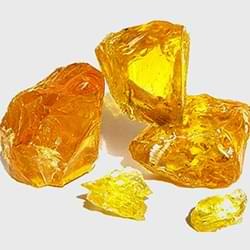
Terpene Phenolic Resin (99,5%) - China
Found this useful?