Phosphate Fertilizer Chemistry: Understanding the Wet-Process Acid Manufacturing Route
Phosphate fertilizers are essential for modern agriculture, supplying phosphorus—a key nutrient that supports root development, flowering, energy transfer, and crop productivity. While products such as Diammonium Phosphate (DAP), Monoammonium Phosphate (MAP), and Triple Superphosphate (TSP) are widely used around the world, their production follows a sophisticated chemical process that directly influences product quality and performance.
For fertilizer procurement professionals, distributors, and agricultural businesses, understanding how phosphate fertilizers are manufactured provides valuable insight into supplier quality, raw material selection, and product specifications. It also helps explain why fertilizers with similar nutrient analyses may differ in impurity levels and regulatory compliance.

Why Phosphate Fertilizer Manufacturing Matters
The quality of phosphate fertilizers begins with the raw materials used during production.
Manufacturing influences:
Nutrient concentration
Product purity
Heavy metal content
Cadmium levels
Physical properties
Storage stability
Regulatory compliance
Understanding the production process allows procurement teams to make more informed sourcing decisions.
The Wet-Process Phosphoric Acid Route
Most commercial phosphate fertilizers are produced using the wet-process phosphoric acid method, the dominant manufacturing process worldwide.
The process consists of two major stages:
Producing phosphoric acid from phosphate rock.
Converting phosphoric acid into finished fertilizer products.
This route efficiently transforms naturally occurring phosphate minerals into plant-available phosphorus fertilizers.
Step 1: Phosphate Rock Mining
The process begins with phosphate rock extracted from mineral deposits.
Phosphate rock primarily contains calcium phosphate minerals along with naturally occurring impurities.
The quality of the rock varies depending on its geological origin and influences the characteristics of the finished fertilizer.
Key quality considerations include:
Phosphate concentration
Cadmium content
Fluoride content
Heavy metals
Mineral composition
Higher-quality phosphate rock generally produces higher-quality fertilizer products.
Step 2: Production of Phosphoric Acid
The mined phosphate rock reacts with sulfuric acid to produce phosphoric acid.
The reaction also generates calcium sulfate (gypsum) as a by-product.
The simplified process includes:
Crushing and preparing phosphate rock
Reacting the rock with sulfuric acid
Separating phosphoric acid from gypsum
Purifying and concentrating the acid
The resulting phosphoric acid serves as the primary intermediate for manufacturing phosphate fertilizers.
Merchant Acid vs. Process Acid
The concentration of phosphoric acid affects downstream fertilizer production.
Merchant-Grade Acid
Typically contains approximately 54% P₂O₅.
Characteristics include:
Higher concentration
Easier transportation
Suitable for commercial fertilizer manufacturing
Widely traded internationally
Process Acid
Generally contains approximately 40–42% P₂O₅.
Characteristics include:
Used directly within integrated fertilizer plants
Lower concentration
Reduced transportation requirements when consumed on-site
The choice depends on manufacturing configuration and logistics.
Step 3: Manufacturing Finished Fertilizers
Once phosphoric acid is available, different reactions produce various phosphate fertilizers.
Diammonium Phosphate (DAP)
DAP is produced by reacting phosphoric acid with ammonia under controlled conditions.
Typical characteristics:
High phosphorus content
Nitrogen contribution
Excellent storage properties
Widely used across global agriculture
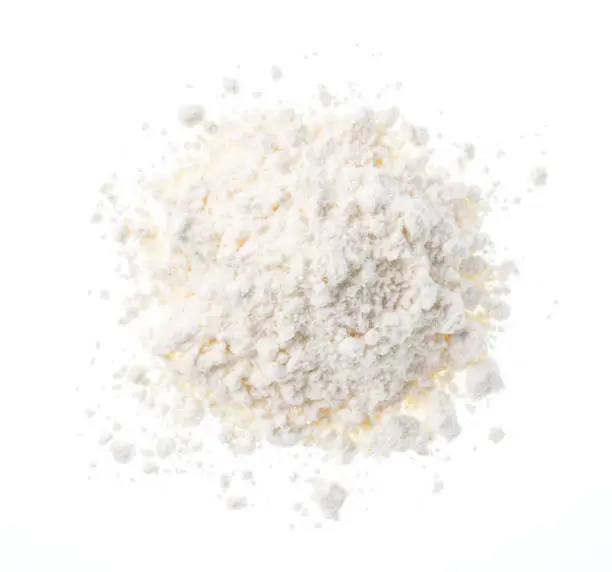
Diammonium Phosphate (Technical 16-46) - Vietnam
Monoammonium Phosphate (MAP)
MAP is also produced using phosphoric acid and ammonia but with a different ammonia-to-acid ratio.
Advantages include:
High phosphorus availability
Lower nitrogen content than DAP
Suitable for many crop systems
Good compatibility with blended fertilizers
Triple Superphosphate (TSP)
TSP is manufactured by reacting phosphate rock with phosphoric acid rather than ammonia.
It provides:
High phosphorus concentration
No added nitrogen
Flexible use within customized fertilizer programs
Why Phosphate Rock Quality Matters
The quality of the finished fertilizer depends heavily on the characteristics of the original phosphate rock.
Important factors include:
Cadmium
Cadmium is a naturally occurring trace element found in varying concentrations depending on the phosphate deposit.
Lower cadmium content is increasingly important for regulatory compliance and environmental sustainability.
Fluoride
Fluoride occurs naturally in phosphate minerals and requires careful management during fertilizer production.
Heavy Metals
Manufacturers monitor trace metals to ensure product quality and compliance with applicable regulations.
Mineral Composition
Rock purity influences processing efficiency and final fertilizer consistency.

Understanding Analysis Certificates
Procurement professionals should review fertilizer quality documentation carefully.
Common certificate information includes:
Total phosphorus content
Water-soluble phosphorus
Nitrogen analysis
Moisture
Cadmium concentration
Heavy metal specifications
Physical properties
Comparing analysis certificates helps buyers evaluate supplier consistency and product quality.
Regulatory Considerations
Many international markets have established quality and environmental standards for fertilizer products.
Areas receiving increased attention include:
Cadmium limits
Heavy metal monitoring
Product labeling
Quality assurance
Environmental compliance
Traceability
Suppliers capable of meeting these requirements may provide greater long-term procurement confidence.
Procurement Best Practices
Organizations sourcing phosphate fertilizers should consider several factors beyond nutrient analysis.
Evaluate Raw Material Sources
Understanding the geological origin of phosphate rock provides valuable context for product quality.
Review Quality Documentation
Request complete analysis certificates from suppliers.
Assess Manufacturing Capability
Integrated manufacturers often maintain greater control over product consistency.
Verify Regulatory Compliance
Ensure products satisfy applicable import and market requirements.
Build Long-Term Supplier Relationships
Reliable partnerships support consistent product quality and supply continuity.
Long-Term Outlook
Global demand for phosphate fertilizers is expected to remain closely linked to agricultural production, food security, and sustainable farming practices. At the same time, increasing attention to product quality, impurity management, and environmental standards is encouraging manufacturers to invest in improved processing technologies and higher-quality raw materials.
For procurement professionals, understanding the wet-process phosphoric acid route provides valuable insight into fertilizer quality, supplier capabilities, and technical specifications. Looking beyond nutrient content alone—and considering raw material quality, manufacturing processes, and impurity profiles—can support stronger sourcing decisions and long-term supplier partnerships.
Key Takeaways
Most commercial phosphate fertilizers are produced using the wet-process phosphoric acid route.
Phosphate rock reacts with sulfuric acid to produce phosphoric acid and gypsum as a by-product.
DAP and MAP are manufactured by reacting phosphoric acid with ammonia, while TSP is produced through a different phosphoric acid reaction pathway.
Phosphate rock quality influences fertilizer purity, cadmium levels, heavy metal content, and overall product performance.
Procurement teams should evaluate analysis certificates, raw material sources, manufacturing quality, and regulatory compliance—not just nutrient analysis—when selecting phosphate fertilizer suppliers.
Found this useful?