Phthalic Anhydride: Applications in Plasticisers, Resins and Coatings
Phthalic anhydride (PA) is an aromatic organic compound with the chemical formula C₈H₄O₃ and CAS number 85-44-9. It is generally supplied as white crystalline flakes or a molten liquid and serves as an important intermediate in the manufacture of plasticisers, synthetic resins, coatings and other specialty chemicals.
Manufacturers primarily produce phthalic anhydride through the catalytic oxidation of ortho-xylene. The process converts the aromatic feedstock into phthalic anhydride through controlled oxidation, followed by recovery, purification and solidification or handling as molten product.
Its importance comes from its ability to react with alcohols and other chemical intermediates to form products with specific physical and performance properties. These derivatives support applications in flexible plastics, reinforced materials, paints, varnishes and industrial coatings.
Phthalic Anhydride in Plasticiser Manufacturing
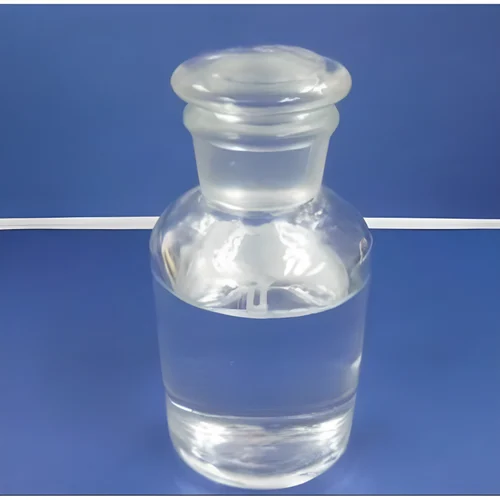
Plasticisers represent one of the major downstream applications of phthalic anhydride. Manufacturers use PA to produce phthalate esters, including dioctyl phthalate (DOP), diisononyl phthalate (DINP) and other related compounds. These substances modify the flexibility and processing characteristics of polymers, particularly polyvinyl chloride (PVC).
Unmodified PVC can be rigid and difficult to adapt to applications that require flexibility. Plasticisers help manufacturers produce softer materials that can bend, stretch or withstand repeated movement without losing their intended function.
Common applications of phthalate-based plasticisers include:
Wire and cable insulation: Flexible PVC supports electrical insulation and cable manufacturing.
Flooring and wall coverings: Plasticised PVC provides flexibility and durability in selected flooring materials.
Automotive interiors: Flexible polymer components are used in interior trim and related applications.
Hoses and flexible tubing: Plasticisers help produce materials that can bend during installation and use.
Roofing membranes and coated fabrics: Flexible PVC compounds support construction and industrial applications.
Demand for these derivatives is connected to PVC processing activity in construction, automotive manufacturing, electrical infrastructure and consumer goods. However, buyers must consider the regulatory requirements governing individual phthalate plasticisers, as restrictions and permitted uses can differ by application and market.
Applications in Unsaturated Polyester Resins
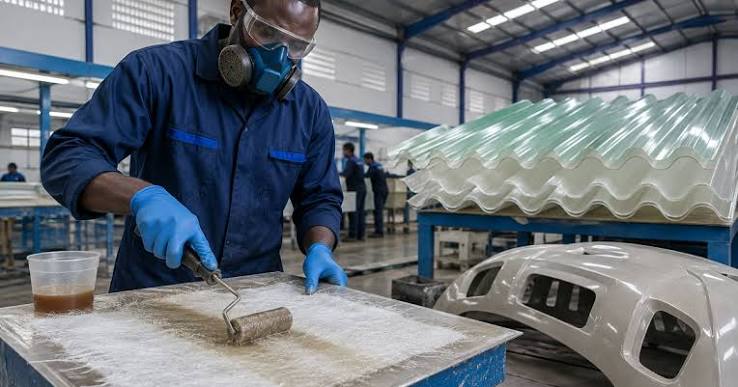
Phthalic anhydride also plays an important role in the production of unsaturated polyester resins (UPR). Manufacturers combine it with suitable glycols and unsaturated acids or anhydrides through controlled polymerisation to produce resin systems with properties suited to reinforced plastic manufacturing.
UPR systems are commonly reinforced with glass fibres to create fibreglass-reinforced plastics. These materials offer a combination of strength, relatively low weight, corrosion resistance and design flexibility.
Important application areas include:
Construction: Panels, roofing components, bathroom fixtures and other moulded building products.
Marine manufacturing: Boat hulls, decks and selected structural components.
Transportation: Lightweight vehicle components and industrial transport parts.
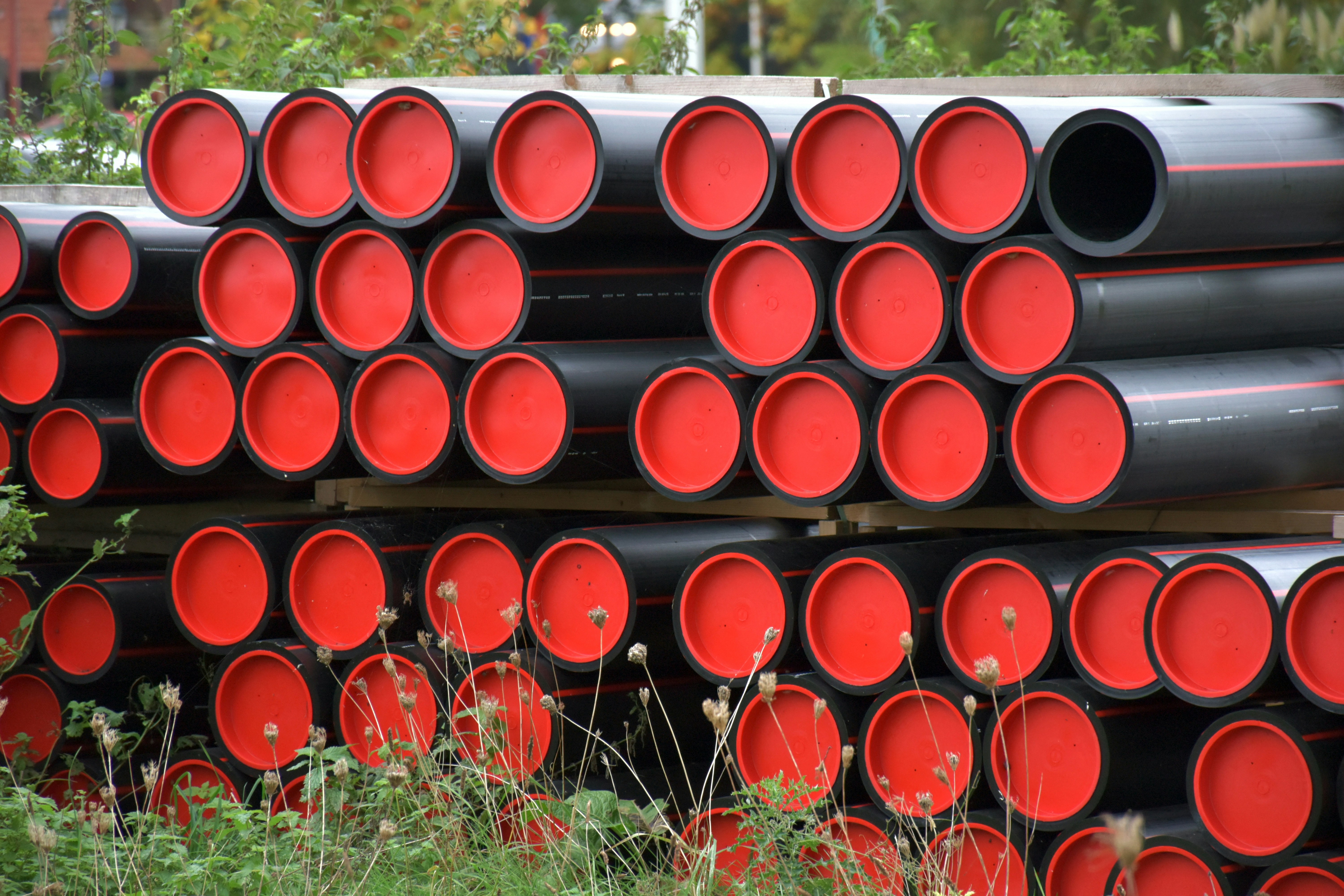
Industrial equipment: Tanks, pipes and components designed for demanding operating environments.
Consumer products: Moulded furniture components, sanitary products and other durable goods.
The performance of the final resin depends on its formulation, including the choice of glycol, unsaturated components, additives and curing system. Manufacturers therefore evaluate phthalic anhydride quality alongside the specifications of other raw materials to maintain consistent resin performance.
Role in Alkyd Resins and Coatings
Alkyd resins are another established application for phthalic anhydride. Manufacturers produce these resins by reacting polybasic acids or anhydrides with polyhydric alcohols and fatty oils or fatty acids. Phthalic anhydride contributes to the resin structure and helps determine properties such as hardness, adhesion and film formation.
Alkyd resins have traditionally served as binders in solvent-based paints, varnishes and protective coatings. Their formulation flexibility makes them useful across architectural, decorative and industrial coating applications.
Common end uses include:
Architectural paints: Coatings for interior and exterior surfaces.
Wood finishes: Varnishes and protective finishes for furniture, doors and fixtures.
Industrial coatings: Coatings for machinery, equipment and metal structures.
Automotive applications: Selected primers, finishes and coating formulations.
Maintenance coatings: Protective systems for surfaces exposed to routine environmental and mechanical conditions.
The coatings industry continues to develop alternative resin systems and lower-emission formulations. Waterborne technologies and changing environmental requirements have affected some traditional solvent-based alkyd applications. This creates a need for manufacturers to assess the long-term suitability of PA-based resin formulations against customer specifications and regulatory expectations.
Other Industrial and Specialty Chemical Applications
Beyond plasticisers, polyester resins and alkyd coatings, phthalic anhydride supports several smaller but commercially relevant chemical applications. Its reactive structure allows manufacturers to use it as an intermediate in producing specialty compounds, pigments, dyes and other industrial materials.
Additional applications include:
Pigments and dyes: Used in the manufacture of selected colourants, including phthalocyanine-related products.
Polyester polyols: Used as an intermediate in certain polyol systems for polyurethane production.
Epoxy resin applications: Used in selected resin-related curing and modification processes.
Specialty intermediates: Supports the synthesis of various organic compounds for industrial and chemical manufacturing.
Agricultural and pharmaceutical chemicals: Used in the production of certain specialised chemical intermediates.
These applications generally represent more specialised outlets than the major plasticiser and resin markets. Nevertheless, they contribute to the chemical's wider industrial relevance and provide additional demand from manufacturers serving different sectors.
Factors Influencing Phthalic Anhydride Demand
Demand for phthalic anhydride depends on activity across its downstream industries. Since the chemical is primarily an intermediate rather than a finished consumer product, its consumption reflects production trends in plasticisers, PVC compounds, polyester resins and coatings.
PVC and plasticiser demand: Construction activity, electrical cable production, automotive manufacturing and flexible plastic processing influence demand for phthalate-based plasticisers. Changes in PVC production can therefore affect PA purchasing requirements.
Construction and infrastructure investment: Fibreglass-reinforced products, pipes, panels and protective coatings serve construction and infrastructure projects. Higher industrial activity can support demand for unsaturated polyester resins and alkyd-based materials.
Automotive and transportation manufacturing: Vehicle interiors, composite components, protective coatings and related materials create demand across several PA derivative markets.
Coatings technology changes: Environmental standards and customer preferences are encouraging coating producers to review solvent content, resin chemistry and application performance. These changes can influence the competitiveness of traditional alkyd resin systems.
Feedstock and energy costs: Ortho-xylene availability, energy consumption, production efficiency and transportation expenses affect manufacturing economics. Producers and buyers monitor these factors when assessing supply conditions and procurement costs.
Quality, Storage and Procurement Considerations
Consistent phthalic anhydride quality is important for downstream manufacturers because impurities and variations in material properties can affect chemical reactions and finished product performance. Buyers should evaluate supplier specifications before confirming an order, particularly when the material will be used in controlled resin or plasticiser production.
Important procurement considerations include:
Purity: Confirm the agreed purity level and the supplier's analytical test results.
Moisture content: Check moisture specifications because phthalic anhydride can react with water to form phthalic acid.
Appearance: Verify that the material meets the required physical appearance and product description.
Packaging: Confirm whether the supplier offers flakes or another agreed commercial form.
Documentation: Request a Certificate of Analysis (COA), Safety Data Sheet (SDS) and relevant technical documentation.
Supply consistency: Review production capacity, delivery schedules and the supplier's ability to maintain consistent specifications.
Storage and handling procedures also require attention. Phthalic anhydride should be protected from moisture and handled according to its SDS. Dust and vapour exposure can irritate the eyes, skin and respiratory tract, so industrial users should apply suitable ventilation, personal protective equipment and workplace exposure controls.
For international procurement, buyers should also assess packaging integrity, transport conditions, customs documentation and the supplier's experience with industrial chemical shipments. These checks help reduce the risk of delays, material damage and specification disputes.
Market Outlook and Opportunities for Chemical Buyers
Phthalic anhydride remains relevant to several established manufacturing value chains. Its role in plasticisers, unsaturated polyester resins and alkyd resins connects it with industries that supply construction materials, automotive components, electrical products, furniture and industrial equipment.
Future demand will depend on the performance of these downstream sectors and the ability of PA derivatives to meet changing technical and regulatory requirements. Plasticiser manufacturers will need to respond to application-specific restrictions, while resin and coating producers will continue to evaluate product performance, cost efficiency and environmental expectations.
For chemical buyers, understanding the connection between phthalic anhydride and its derivatives can support better sourcing decisions. Procurement teams should compare product specifications, supplier reliability, logistics costs and regional availability rather than evaluating offers on price alone.
Dioctyl Phthalate (DOP)
Found this useful?