Plant Based Colorants and Natural Preservatives: The Clean Label Sourcing Challenge
Clean-label demand is changing how food manufacturers evaluate ingredients. Consumers increasingly expect recognizable, natural and plant-derived ingredients, pushing manufacturers to explore plant-based colorants, botanical extracts, natural antioxidants and preservative systems as alternatives to conventional synthetic ingredients.
But replacing a synthetic ingredient with a natural one is not simply a matter of changing the label.
The more difficult question for manufacturers and procurement teams is whether a natural alternative can deliver comparable shelf stability, microbial protection, color retention, sensory performance and cost efficiency under real manufacturing and storage conditions.
That makes clean-label sourcing both a formulation challenge and a supply-chain challenge.
Clean Label Is Moving Beyond Ingredient Lists
Clean label was initially associated primarily with removing artificial additives and using simpler ingredient declarations.
The concept has now expanded to include:
Natural sourcing
Plant-based ingredients
Sustainable production
Minimal processing
Transparent supply chains
Recognizable ingredient names
Responsible sourcing
This broader definition is increasing demand for natural colorants, botanical extracts and naturally derived preservation systems.
For manufacturers, however, the challenge is maintaining product quality while meeting these expectations.
Natural Colorants Are Becoming More Important
Synthetic colors have traditionally offered manufacturers strong advantages in terms of:
Color intensity
Consistency
Stability
Cost
Ease of processing
Plant-derived alternatives can provide a more consumer-friendly positioning, but their performance can vary substantially depending on the formulation.
Natural colorants may be sensitive to:
Light
Heat
Oxygen
pH
Water activity
Metal ions
Consequently, a natural color that performs well in one food application may not provide the same performance in another.
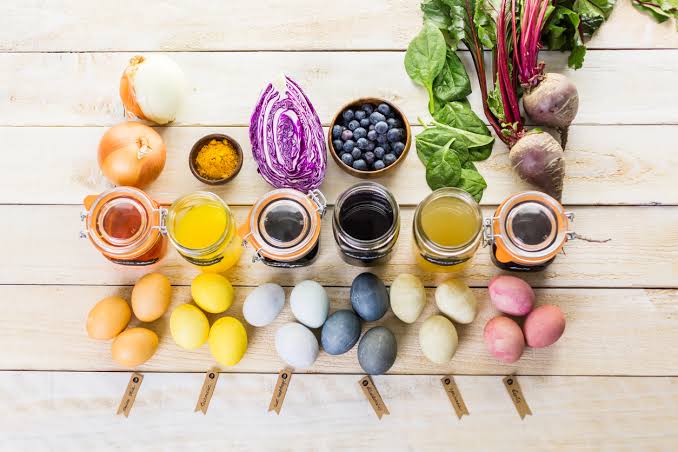
Common Plant-Based Color Sources
Food manufacturers can obtain natural colorants from a broad range of botanical sources.
Examples include:
Beetroot for betalains
Turmeric for curcumin
Paprika for carotenoids
Spirulina for phycocyanin
Carrot and other plants for carotenoid pigments
Anthocyanin-rich fruits and vegetables
Each has different stability characteristics.
This means procurement teams cannot evaluate natural colorants simply on the basis of whether they are "natural."
The technical specification matters just as much.
Natural Preservatives Present an Even Bigger Challenge
Preservation is more complicated than achieving a particular visual appearance.
A preservative system must help control microbial growth throughout the product's intended shelf life.
Synthetic preservatives have historically been attractive because their performance is relatively well understood.
Natural preservation systems may instead rely on:
Organic acids
Plant extracts
Essential oils
Fermentation-derived compounds
Antioxidants
Hurdle technology
Combination systems
Their effectiveness can depend heavily on the food matrix and processing conditions.
Can Natural Preservatives Match Synthetic Ones?
There is no universal answer.
Some natural preservation approaches can perform very effectively in appropriate applications, but they should not automatically be considered one-for-one replacements for synthetic preservatives.
Performance can vary according to:
Food type + pH + water activity + packaging + processing + storage temperature + target microorganisms
A natural preservative that performs well in a low-pH beverage may behave very differently in a high-moisture bakery product.
This is why application-specific validation is essential.
Shelf Stability Is the Critical Test
For procurement teams, the most important question is not:
"Is the ingredient natural?"
It is:
"Will the finished product remain safe and acceptable for its entire intended shelf life?"
A successful replacement must maintain the required characteristics throughout distribution and storage.
Those characteristics can include:
Microbial safety
Color
Flavor
Aroma
Texture
Nutritional quality
Oxidative stability
If the natural alternative shortens shelf life, the apparent clean-label benefit may come with significant economic costs.
Natural Colorants Have Their Own Stability Problems
Color stability can become a major formulation issue.
For example, anthocyanins can be affected by pH, while other natural pigments can be vulnerable to oxidation or heat.
Manufacturers may therefore need to adjust:
pH
Packaging
Processing temperature
Oxygen exposure
Antioxidant systems
Storage conditions
A colorant that requires extensive formulation modifications may not be a straightforward replacement.
Supply Consistency Is Another Challenge
Natural ingredients originate from agricultural and biological sources.
That introduces variability that synthetic chemical production can often minimize.
Factors such as:
Crop yields
Weather
Geography
Harvest timing
Soil conditions
Agricultural practices
Seasonal availability
can influence the composition and quality of botanical raw materials.
For procurement teams, this creates a different form of supply risk.
The Same Plant Does Not Always Produce the Same Ingredient
Natural extracts can vary in their active compounds.
Two batches derived from the same botanical source may not necessarily have identical characteristics.
Manufacturers therefore need appropriate specifications covering factors such as:
Active compound concentration
Purity
Color value
Microbiological limits
Heavy metals
Residual solvents
Moisture
Pesticide residues
Supplier quality systems become particularly important.
Standardization Becomes Critical
Standardization can help reduce natural-product variability.
Instead of purchasing a botanical extract simply according to its plant source, manufacturers can specify measurable characteristics.
For example, a procurement specification might require a defined concentration of the relevant active compound.
This allows manufacturers to achieve greater consistency while retaining the natural positioning of the ingredient.
Sustainability Adds Another Procurement Layer
Natural does not automatically mean sustainable.
A plant-derived ingredient can still have environmental challenges related to:
Land use
Water consumption
Agricultural inputs
Transportation
Processing energy
Packaging
Waste
Manufacturers therefore increasingly need to distinguish between natural sourcing and responsible sourcing.
A clean-label ingredient with a complex or environmentally intensive supply chain may not satisfy broader sustainability objectives.
Traceability Is Becoming More Valuable
As manufacturers rely more heavily on botanical ingredients, traceability becomes increasingly important.
Procurement teams may need to know:
Where the crop was grown
Who produced it
How it was processed
Which intermediates were used
Whether pesticides were applied
How batches are tracked
Traceability can help support both quality assurance and sustainability claims.
Natural Ingredients Can Require More Formulation Work
Replacing a synthetic additive with a natural alternative may require reformulation rather than simple substitution.
A manufacturer may need to adjust several elements simultaneously.
For example:
Natural preservative → pH adjustment → packaging modification → antioxidant addition → shelf-life testing
This can increase development time and formulation costs.
Therefore, the true cost of a clean-label transition should include more than the ingredient purchase price.
Total Cost of Ownership Matters
Procurement teams should evaluate natural ingredients through total cost rather than price per kilogram.
The calculation may include:
Ingredient price
Required dosage
Shipping
Storage
Shelf-life impact
Reformulation costs
Testing
Quality-control requirements
Product losses
Packaging changes
A more expensive natural ingredient may still be commercially attractive if it provides sufficient performance and supports premium positioning.
Conversely, a low-cost ingredient may become expensive if it requires high usage levels or significant reformulation.

Citric Acid Monohydrate (E330)
Dosage Can Change the Economics
Natural preservation systems sometimes require different concentrations from conventional preservatives.
This matters because a seemingly inexpensive ingredient may become less economical if substantially more material is required to achieve the desired effect.
Manufacturers should therefore compare:
Cost per kilogram
with:
Cost per finished product unit at effective dosage.
This is a much more useful procurement metric.
Combination Systems May Be More Practical
Rather than searching for a single natural ingredient capable of replacing every synthetic additive, manufacturers can use combinations.
Potential strategies include:
Multiple natural preservatives
Antioxidants plus antimicrobial systems
pH adjustment
Modified-atmosphere packaging
Reduced water activity
Thermal processing
Natural extracts
This approach is often referred to as hurdle technology.
Multiple preservation barriers can work together to provide the required protection.
Packaging Can Help Natural Ingredients Perform Better
Packaging is particularly important when natural colors or antioxidants are sensitive to environmental conditions.
Manufacturers may use packaging that limits:
Oxygen
Light
Moisture
For example, improved oxygen barriers can help reduce oxidation-related deterioration.
This means clean-label reformulation can sometimes require coordination between ingredient suppliers and packaging suppliers.
Natural Antioxidants Can Support Shelf Stability
Plant-derived antioxidants can play an important role in protecting food from oxidation.
Common botanical sources include:
Rosemary
Green tea
Tocopherol-rich sources
Other polyphenol-rich extracts
These ingredients can help manage oxidative deterioration in suitable applications.
However, their effectiveness still depends on formulation, dosage and food matrix.
Regulatory Compliance Remains Essential
Natural origin does not automatically guarantee regulatory acceptance.
Food manufacturers must verify:
Permitted uses
Maximum levels
Food-category restrictions
Labeling requirements
Specifications
Country-specific regulations
This becomes particularly important for suppliers serving multiple Asian, Middle Eastern, European and North American markets.
A product approved for one jurisdiction may require additional assessment elsewhere.
Supplier Qualification Becomes More Important
The shift toward natural ingredients changes what manufacturers should expect from suppliers.
A strong supplier should ideally provide:
Technical specifications
Certificate of analysis
Microbiological documentation
Traceability information
Regulatory documentation
Stability data
Application guidance
Consistent batch quality
For sensitive applications, technical support can be as important as price.
Procurement Should Avoid "Natural at Any Cost"
Clean-label demand can create pressure to replace conventional ingredients quickly.
But procurement decisions should remain evidence-based.
Before approving a natural alternative, manufacturers should ask:
Does it provide the required functionality?
Does it maintain product safety?
Does it preserve the required shelf life?
Is supply reliable year-round?
Is batch-to-batch consistency acceptable?
Does the supplier have sufficient documentation?
Is the economics sustainable?
Does the ingredient meet the target market's regulations?
If the answer to several of these questions is no, the replacement may not be commercially ready.
Asia Pacific Could Accelerate the Trend
The clean-label transition is particularly relevant to Asia Pacific's expanding food-processing industry.
As the region's manufacturers increasingly develop products for health-conscious and premium consumer segments, demand for natural ingredients is likely to grow alongside broader specialty food ingredient demand.
China, India and Southeast Asian markets represent particularly important opportunities for suppliers able to combine:
Natural sourcing + technical performance + regulatory expertise + reliable supply.
The Sourcing Challenge Is Becoming a Technical Challenge
The traditional procurement model often emphasizes:
Price → Quality → Delivery
Clean-label ingredients require a broader model:
Price → Functionality → Stability → Safety → Traceability → Sustainability → Regulatory compliance → Supply resilience
This is one reason natural ingredients can be more challenging to source than conventional alternatives.
What Ingredient Buyers Should Compare
A practical supplier evaluation should include:
Criteria | Key Question |
|---|---|
Functionality | Does the ingredient perform in the target application? |
Stability | Does it maintain performance throughout shelf life? |
Consistency | Are batches standardized? |
Supply | Can the supplier provide year-round availability? |
Traceability | Can raw materials be traced to source? |
Regulatory | Is documentation available for target markets? |
Sustainability | Can environmental claims be verified? |
Cost | What is the cost at effective dosage? |
Technical support | Can the supplier assist with formulation? |
This framework helps manufacturers avoid selecting ingredients based solely on marketing claims.
What Suppliers Should Invest In
Ingredient suppliers looking to capture clean-label demand should increasingly focus on:
Standardized botanical extracts
Stable natural color systems
Natural antimicrobial solutions
Technical application support
Shelf-life testing
Traceable sourcing
Sustainable agriculture
Regulatory expertise
The strongest suppliers will not simply sell a "natural" ingredient.
They will demonstrate why the ingredient works.

The Broader Industry Ranking
The clean-label movement is therefore not simply a replacement trend from synthetic ingredients toward natural ingredients.
It represents a broader shift in how food manufacturers evaluate raw materials.
The most commercially successful natural solutions will likely be those that combine:
Consumer appeal + technical performance + supply reliability + competitive economics.
Natural ingredients that satisfy only the first criterion may struggle to achieve large-scale adoption.
Looking Ahead
Plant-based colorants and natural preservatives are likely to remain important areas of food-ingredient innovation as manufacturers respond to clean-label, sustainability and consumer-health expectations.
But the transition will not be determined by consumer preference alone.
The decisive factor will be performance under real manufacturing and storage conditions.
Natural alternatives must demonstrate that they can provide acceptable shelf stability, microbial protection, color retention and sensory performance while remaining commercially viable.
For procurement teams, the opportunity is therefore to move beyond the question of whether an ingredient is natural and instead evaluate how reliably, sustainably and economically that natural ingredient can perform at scale.
That approach will help manufacturers build clean-label products without sacrificing quality, safety or supply-chain resilience.
Key Takeaways
Clean-label demand is increasing interest in plant-based colorants, botanical extracts and natural preservation systems.
Natural ingredients are not automatically one-for-one replacements for synthetic preservatives.
Shelf stability depends heavily on pH, water activity, packaging, processing, storage and the food matrix.
Natural colorants can be particularly sensitive to heat, light, oxygen and pH.
Agricultural sourcing introduces additional variability into natural ingredient supply.
Standardization and traceability are critical for consistent quality.
Natural does not automatically mean sustainable; environmental impacts across the supply chain should be evaluated.
Combination preservation systems and hurdle technology can improve natural-preservation performance.
Procurement should compare ingredients based on cost at effective dosage, not simply price per kilogram.
Supplier technical support, regulatory documentation and stability data are increasingly important.
The strongest clean-label solutions will combine natural positioning with proven technical performance and reliable supply.
Found this useful?