Plasticisers: Types, Applications and Changing Market Demand
Plasticisers: Types, Applications and Changing Market Demand
Types Of Plasticisers – From Phthalate Dominance To Non-Phthalate Growth
The types of plasticizers include phthalate plasticizers, DOP, DINP, DIDP, DPHP, other non-phthalate plasticizers, DOTP, adipates, trimellitates, epoxies, and benzoates. Applications span across diverse areas including flooring and walls, film and sheet coverings, wires and cables, coated fabrics, consumer goods, and various other applications.
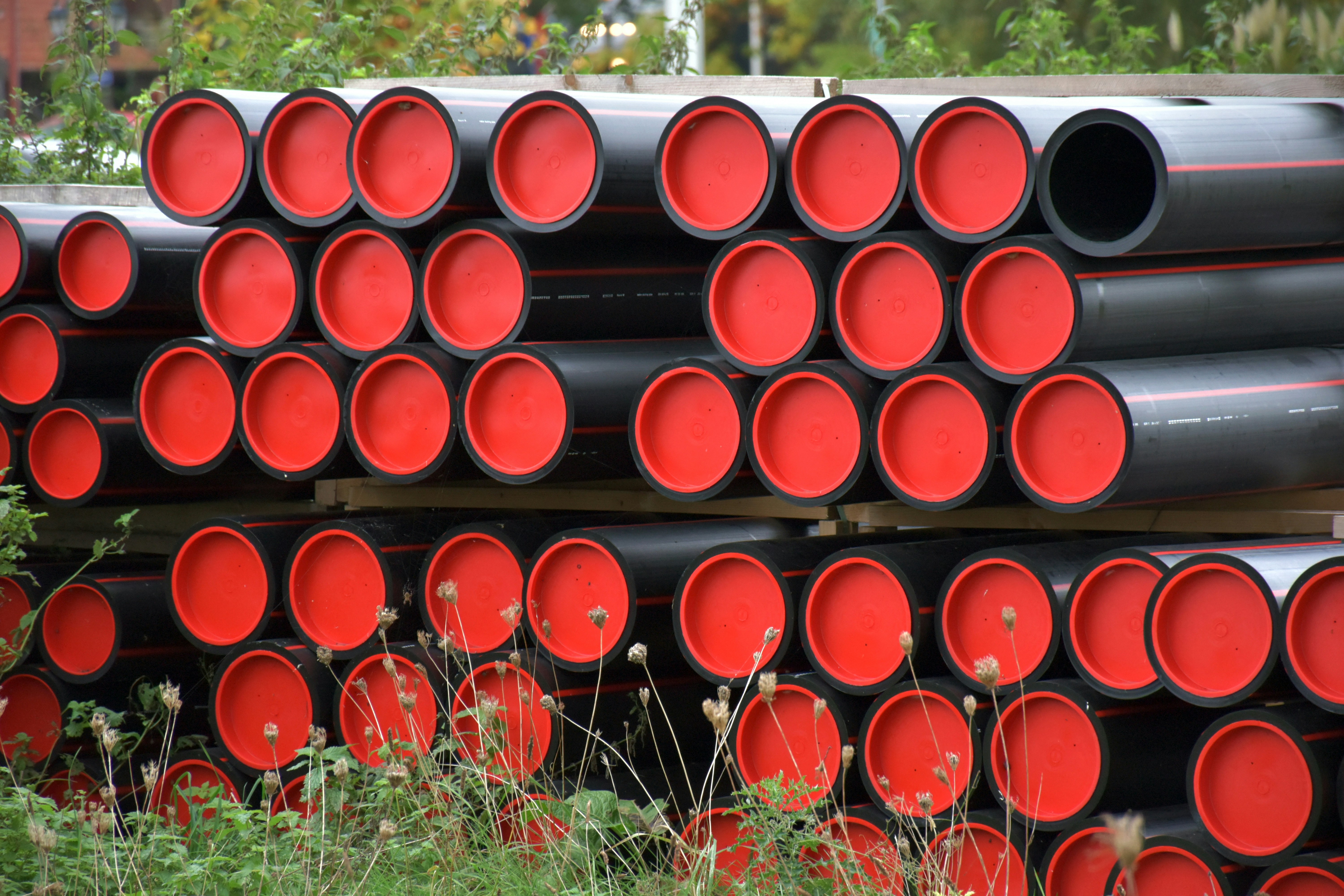
Phthalate-based plasticisers primarily DOP, DINP, and DIDP account for estimated 65-75% of Libyan compound plasticiser consumption, concentrated in PVC cable insulation, flexible pipe, and construction film applications tied to state infrastructure spending. That dominance reflects similar pattern globally, with PVC consumption contributing to nearly 85% of plasticizer demand.
Phthalate-type plasticisers still account for estimated 60-75% of consumption by volume in Kuwait, but non-phthalate and bio-based grades gaining share as downstream manufacturers respond to export-market regulatory expectations and domestic environmental standards. Market volume projected to expand by roughly 25-40% between 2026 and 2035, translating to low-to-mid single-digit annual growth.
Phthalate plasticisers particularly DINP and DIDP continue to dominate volume demand with estimated 55-70% share in Thailand, though non-phthalate alternatives gaining traction at 4-7% annual growth in premium applications. PVC applications including pipes, profiles, cables, and flooring account for largest share of plasticiser consumption, with flexible PVC formulations representing majority.
Russia compound plasticisers market valued as mid-sized industrial chemicals segment, with phthalate-based plasticisers accounting for estimated 60-75% of total consumption by volume, while non-phthalate and bio-based alternatives represent growing but still minority share of roughly 5-15%. Demand concentrated in PVC processing and rubber compounding applications.
Report segmented by types phthalates, adipates, trimellitates, epoxides, phosphates, sebacates, extenders, and others, further presenting analysis based on application flooring and wall coverings, films and sheets, and others. By product grade phthalate plasticizer, non-phthalate plasticizer, origin petrochemical based, bio-based, application flooring and wall coverings, wires and cables, films and sheets, coated fabrics, pipes and tubing, other applications, end-use industry building and construction, automotive, electrical and electronics, packaging, healthcare and medical.
Market Size And Demand Drivers
Plasticizers market size has grown strongly in recent years. It will grow from 98.62 billion in 2025 to 106.19 billion in 2026 at compound annual growth rate, according to some estimates including broader compounding. More conservative estimates show global plasticizers market size valued at 14.37 billion in 2025, stands at 15.45 billion in 2026, projected to reach higher levels by 2034. Global plasticizers market size projected to reach 29.37 billion by 2034 from 19.09 billion in 2025, anticipated to register CAGR of 5.53% during forecast period 2026-2034.
Global plasticizers market size was 9.7 billion in 2025 and projected to reach 9.9 billion in 2026, 10.11 billion in 2027, and 11.94 billion by 2035, exhibiting growth rate of 2.1% during forecast period 2026-2035, reflecting mature market with selective growth in non-phthalate segments.
Plasticizers market size valued at 18.00 billion in 2025 and anticipated to reach 27.16 billion by 2035, growing at CAGR of 4.2% during forecast period according to Strategic Revenue Insights. One of most impactful drivers is rising demand for sustainable and bio-based plasticizers.
Global plasticizers market projected to reach 22.0 billion by 2030, growing at CAGR of 4.1% from 2021 to 2030, expanding rapidly due to increased demand for flexible PVC, growing utilization of high molecular weight phthalates and non-phthalates, and advancements in packaging industry. Market expanding rapidly due to increased demand for flexible PVC.
PVC consumption contributing to nearly 85% of plasticizer demand. Non-phthalate plasticizers growing in popularity, driven by consumer preference for eco-friendly alternatives, further boosting market dynamics. Over 30% of plasticizers used in specific construction applications.
Applications And End-Use Industries
Plasticizers market size share and trends analysis report by product type non-phthalate, others, bio-based, phthalate, by application roofing materials, automotive interior, sporting equipment, others, footwear, coated fabrics, wire and cable, sealants, by end-user automotive, consumer goods, electrical and electronics, others, medical, packaging, construction.
Flooring and wall coverings, wire and cable, coated fabric, consumer goods, film and sheet are major applications. PVC applications account for largest share, with flexible PVC formulations representing majority of demand. Applications span flooring and walls, film and sheet coverings, wires and cables, coated fabrics, consumer goods.
For example, DOP, DINP, DIDP used in PVC cable insulation, flexible pipe, construction film applications tied to state infrastructure spending. In Kuwait, phthalate-type still 60-75% volume but non-phthalate and bio-based gaining share as downstream manufacturers respond to export-market regulatory expectations.
Building and construction largest end-use, with roofing materials, flooring, wall coverings, pipes and tubing, sealants. Automotive interior, footwear, coated fabrics, wire and cable also significant. Packaging growth driven by flexible films, with plasticizers improving flexibility and processability.
Medical and healthcare application requires non-phthalate grades due to regulatory pressure, with DOTP, DINCH, citrates, and bio-based epoxidized vegetable oils gaining share. Phthalate restrictions in toys, medical devices, and food contact materials drive shift.
Changing Market Demand – Sustainability And Regulatory Shifts
One of most impactful drivers of plasticizers market is rising demand for sustainable and bio-based plasticizers. Market trends include bio-based plasticizers are growing in popularity, driven by consumer preference for eco-friendly alternatives, further boosting market dynamics. Bio-based feedstock adoption reaches 9% of new chemical projects, reflecting broader sustainability shift.
Non-phthalate plasticizers growing in popularity, driven by consumer preference for eco-friendly alternatives. Regulatory ceilings on VOC content accelerating reformulation toward low-VOC alternatives. Stricter VOC regulations, sustainability commitments from major brands, and progress in bio-based feedstocks changing how suppliers compete.
Thailand non-phthalate alternatives gaining traction at 4-7% annual growth in premium applications, showing how premium segments shift faster than commodity volume. Kuwait non-phthalate and bio-based grades gaining share as downstream manufacturers respond to export-market regulatory expectations and domestic environmental standards.
Phthalate-based plasticisers account for 60-75% consumption by volume, but non-phthalate and bio-based alternatives represent growing but still minority share roughly 5-15% in Russia, indicating transition still early in many markets but direction clear.
Market volume could expand by 30-50% between 2026 and 2035 if oil revenue stabilisation supports sustained reconstruction activity in Libya, and 25-40% in Kuwait, showing infrastructure-linked demand growth.
For food-grade minerals, similar sustainability shift observed, with lifecycle assessments showing GCC emits 28-35% less CO2 per ton compared to synthetic, and brands using blockchain-tracked GCC report 19% higher purchase intent in climate-conscious demographics. That parallels bio-based plasticizer trend where sustainability premium justified.
Competitive Landscape And Outlook
Global plasticizers market size 9.7-18.0 billion in 2025 depending on scope, projected to reach 22-29 billion by 2030-2034 at 4.1-5.5% CAGR. Market expanding rapidly due to increased demand for flexible PVC, growing utilization of high molecular weight phthalates and non-phthalates, and advancements in packaging industry.
Key players include BASF, Dow, Evonik, ExxonMobil, and specialty producers, similar to surfactants market where top 5 players hold 17.8% share. Market experiencing accelerated adoption of digital and sustainable technologies, with notable shift toward bio-based and circular chemicals.
Investment of 200 million euros in expanding production of oxygenated solvents by 80,000 metric tons per annum at Ludwigshafen site through closed-loop solvent recovery technologies signals push toward circularity, similar trend for plasticizers with bio-based epoxidized vegetable oils.
Practical strategies for buyers include tracking crude oil and phthalic anhydride feedstock costs as leading indicators, monitoring regulatory changes on phthalate restrictions in target markets, and separating raw material trend from conversion trend. Build tiered budgets with base, pressure, and disruption cases. Require landed-cost comparison not ex-works only, as freight and fuel surcharges have become revenue lever for carriers.
Focus on four decision signals input trend, lead-time movement, supplier capacity discipline, compliance friction. When three move same direction for 6 to 8 weeks, probability of sustained price pressure rises. For plasticizers, additional signal is regulatory shift toward non-phthalate, with export-market expectations driving change even in markets where domestic regulation lagging.
Ultimately, plasticisers types include phthalate DOP DINP DIDP DPHP and non-phthalate DOTP adipates trimellitates epoxies benzoates, applications span flooring, film, wire and cable, coated fabrics, consumer goods, packaging, construction, automotive, medical, with PVC accounting 85% of demand, and changing market demand showing shift from 60-75% phthalate dominance toward non-phthalate growth at 4-7% annually in premium applications, driven by sustainability and regulatory pressures, with market size 15.45B 2026 to 29.37B 2034 at 5.53% CAGR.
Sources:
Plasticizers Market Size Share Growth Analysis Report 2034 – Straits Research – Product type Non-Phthalate Others Bio-Based Phthalate – Application Roofing Automotive Interior Footwear Coated Fabrics Wire Cable Sealants – https://straitsresearch.com
Plasticizers Global Market Report 2026 – Types phthalate plasticizers DOP DINP DIDP DPHP other non-phthalate DOTP adipates trimellitates epoxies benzoates – applications flooring walls film sheet wires cables coated fabrics – https://giiresearch.com
Plasticizers Market Trends Explore Future Growth Opportunities – Allied Market Research – market projected 22.0B by 2030 CAGR 4.1% – demand flexible PVC high molecular weight phthalates nonphthalates packaging – https://rackcdn.com
Butter Milk Powder
Found this useful?