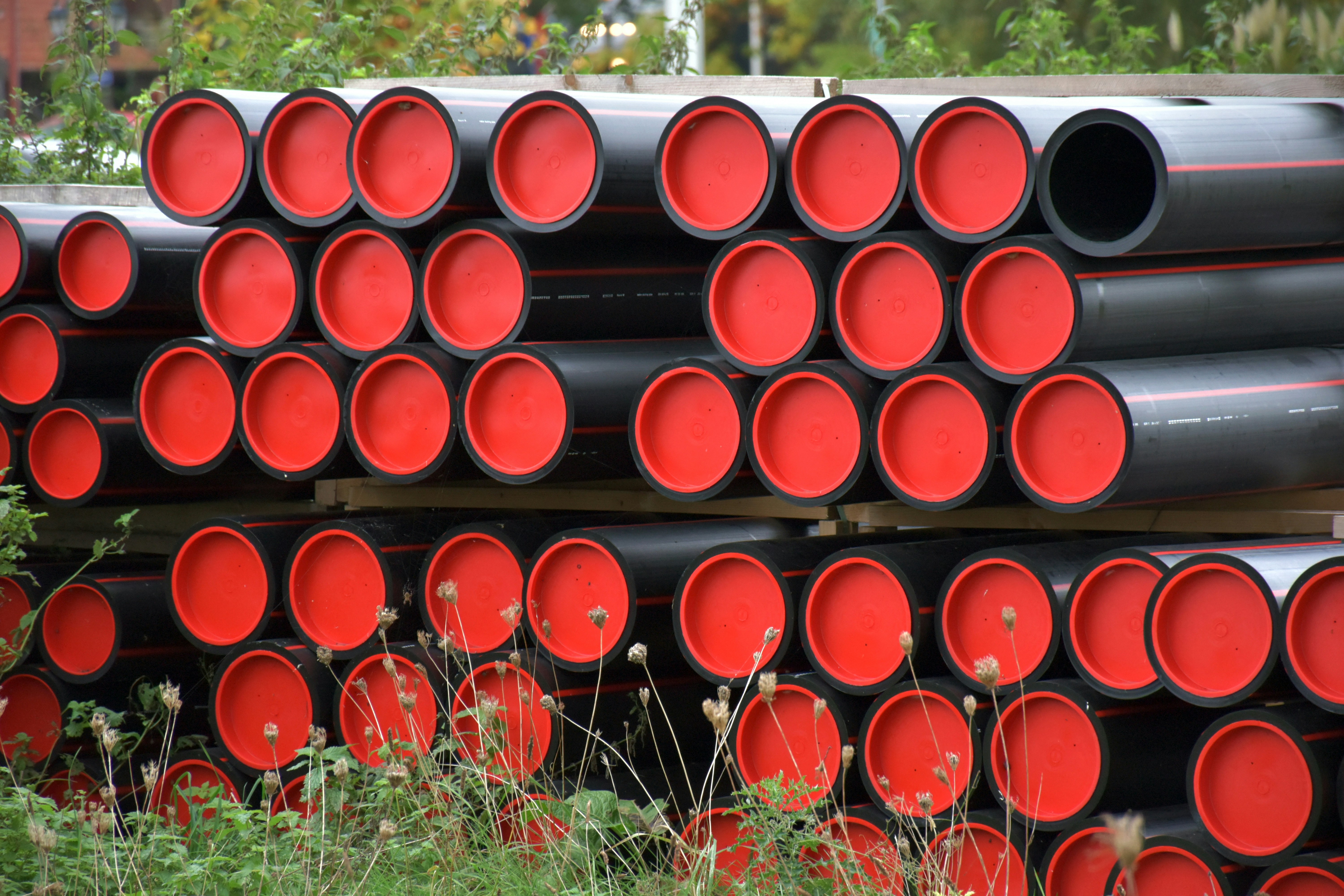
Polyamide (Nylon): Applications in Engineering Plastics and Textile Manufacturing
Polyamide, widely recognised as nylon, serves two major industrial markets: engineering plastics and textile manufacturing. Its combination of mechanical strength, abrasion resistance and adaptability allows manufacturers to produce everything from automotive components and electrical parts to industrial fabrics and clothing.
For chemical traders, importers and procurement managers, polyamide represents an important category within the global polymer supply chain. Demand depends on manufacturing activity, automotive production, consumer textile consumption and the growing use of lightweight engineering materials.
Although manufacturers use different polyamide grades for specific applications, buyers generally focus on polymer type, technical specifications, processing requirements and supply consistency when selecting suitable material.
What Is Polyamide and How Does Nylon Work?
Polyamide is a family of polymers containing repeating amide linkages within their molecular structure. Manufacturers produce these materials through polymerisation processes involving suitable monomers or chemical intermediates.
Nylon is the most widely recognised commercial name associated with synthetic polyamides. Two major industrial grades include:
Polyamide 6 (PA6): Manufacturers use PA6 in injection-moulded components, industrial fibres, automotive parts and textile products. It offers a useful balance of strength, toughness and processing flexibility.
Polyamide 66 (PA66): This grade provides strong mechanical performance and good resistance to heat and wear. Manufacturers frequently select it for demanding engineering applications and technical textile production.
Other polyamide grades serve specialised applications where manufacturers require particular chemical resistance, flexibility or thermal properties.
The selection between PA6 and PA66 depends on the final product's operating environment. Buyers should consider mechanical loads, temperature exposure, moisture absorption and processing conditions before choosing a grade.
Why Polyamide Matters in Engineering Plastics
Engineering plastics manufacturers require materials that can withstand repeated mechanical stress while maintaining dimensional stability and functional performance. Polyamide meets many of these requirements, making it an important alternative to certain metal and conventional plastic components.
Its engineering value comes from several characteristics:
Mechanical strength: Polyamide supports components exposed to continuous loads, vibration and mechanical movement.
Abrasion resistance: Its resistance to surface wear makes it suitable for gears, bearings and moving machine components.
Impact resistance: Suitable grades can absorb mechanical shocks and support demanding industrial applications.
Thermal performance: Certain polyamide grades maintain useful mechanical properties under elevated operating temperatures.
Processing flexibility: Manufacturers can process polyamide through injection moulding, extrusion and fibre-spinning techniques.
Glass-fibre reinforcement can further improve stiffness, dimensional stability and mechanical strength. Manufacturers use reinforced grades when standard polyamide cannot meet specific engineering requirements.
These characteristics also make nylon useful in applications where manufacturers want to reduce component weight without sacrificing essential performance.
Major Applications Across Automotive and Electrical Industries
The automotive sector represents an important application area for engineering-grade polyamide. Vehicle manufacturers use nylon components in systems that require durability, controlled weight and resistance to mechanical stress.
Common automotive applications include:
Under-the-hood components: Polyamide supports the production of selected engine covers, air intake systems, cooling system components and fluid-handling parts.
Fuel system components: Suitable grades can provide the mechanical and chemical performance required for selected automotive fuel-related applications.
Gears and housings: Nylon components support mechanical movement while reducing friction and component weight.
Electrical connectors: Polyamide provides useful insulation and mechanical properties for automotive electrical systems.
Electrical and electronics manufacturers also use polyamide in connectors, terminal blocks, protective housings and other technical components. Its electrical insulation characteristics and mechanical strength make it suitable for applications requiring reliable component performance.
Industrial machinery provides another important demand channel. Manufacturers use nylon in rollers, conveyor components, bushings, gears and machine parts that experience regular friction.
 Polyamide in Textile and Fibre Manufacturing
Textile manufacturing represents another major market for polyamide. Nylon fibres offer a combination of strength, elasticity, lightweight construction and resistance to abrasion, making them suitable for clothing, carpets and technical fabrics.
Manufacturers produce polyamide fibres through melt spinning. They melt the polymer, push it through small openings in a spinneret and cool the resulting filaments before further processing.
These filaments can become continuous yarns or staple fibres depending on the intended textile application.
Important textile applications include:
Apparel and sportswear: Nylon fibres support lightweight garments, activewear, hosiery and outerwear where flexibility and durability matter.
Carpets and floor coverings: Polyamide fibres provide resistance to regular foot traffic and surface wear, making them suitable for residential and commercial carpets.
Industrial textiles: Manufacturers use nylon in ropes, technical fabrics, fishing lines and industrial reinforcement materials.
Automotive textiles: Polyamide fibres support specialised applications such as airbags, tyre reinforcement and selected interior fabrics.
Hosiery and knitted products: Its elasticity and smooth surface make nylon useful in stockings, tights and other knitted textile products.
Textile manufacturers select fibre grades according to yarn strength, denier, elongation, dyeability and processing requirements. These specifications influence the final fabric's appearance, durability and performance.
Concrete+1
Understanding Polyamide Grades and Product Specifications
Not every nylon grade suits every manufacturing process. Buyers must match polymer specifications with the requirements of their production equipment and finished products.
The main commercial categories include:
1. Virgin polyamide resin
Virgin PA6 and PA66 resin serves injection moulding, extrusion and other polymer-processing operations. Buyers should review viscosity, moisture content, melting behaviour and the manufacturer's technical data sheet.
2. Glass-fibre reinforced polyamide
Manufacturers add glass fibres to improve stiffness, dimensional stability and load-bearing performance. These grades are particularly relevant to automotive, electrical and industrial engineering components.
3. Textile-grade polyamide
Fibre-grade nylon requires specifications suited to melt spinning and yarn production. Viscosity consistency, moisture levels and polymer quality can influence spinning stability and fibre performance.
4. Modified and specialised grades
Impact-modified, heat-stabilised and flame-retardant polyamides serve applications with additional performance requirements. Buyers should confirm that the selected formulation meets the finished product's technical and regulatory specifications.
Supply Chain Factors Affecting Nylon Procurement
Polyamide procurement depends on both upstream chemical availability and downstream manufacturing demand. PA6 production relies primarily on caprolactam, while PA66 production uses hexamethylenediamine and adipic acid.
Changes in the availability and cost of these inputs can influence polymer production economics. Energy prices, plant operating rates, transportation costs and regional manufacturing conditions also affect the commercial supply environment.
For international buyers, several procurement considerations deserve attention:
Supplier reliability: Consistent supply helps manufacturers maintain production schedules and avoid unexpected interruptions.
Grade availability: Not every supplier offers the same range of textile, injection moulding and reinforced grades.
Technical documentation: Buyers should request technical data sheets, safety data sheets and relevant quality certificates.
Packaging and logistics: Moisture protection and appropriate storage conditions help preserve resin quality during transportation.
Lead times: Importers should assess shipping schedules, port handling and supplier delivery commitments before placing bulk orders.
Regional sourcing strategies can also help buyers manage supply risks. Maintaining relationships with more than one qualified supplier can provide flexibility when production conditions or shipping schedules change.
What Drives Demand Across Nylon Markets?
Polyamide demand reflects developments across several manufacturing sectors rather than a single end-use industry.
Automotive manufacturers continue to use engineering plastics in components where reduced weight and mechanical performance support vehicle design objectives. Electrical equipment, household appliances and industrial machinery also contribute to demand for specialised nylon grades.
The textile market follows different demand patterns. Clothing production, sportswear consumption, carpet manufacturing and technical textile requirements influence fibre-grade polyamide purchasing.
Another important factor is product innovation. Manufacturers continue to develop reinforced compounds, modified formulations and specialised grades to meet increasingly demanding application requirements.
Sustainability also influences purchasing decisions. Recycled polyamide and alternative material solutions provide additional sourcing options for manufacturers seeking to incorporate recycled content into their products.
Challenges and Considerations When Working with Polyamide
Despite its industrial advantages, polyamide requires careful handling and material selection. Its performance can change depending on moisture exposure, temperature and processing conditions.
One important consideration is moisture absorption. Polyamide absorbs moisture from its surrounding environment, which can influence dimensional stability, mechanical properties and processing behaviour.
Manufacturers should manage resin drying and storage conditions before processing. Incorrect moisture levels can contribute to processing defects and inconsistent finished products.
Other considerations include:
Temperature management: Processing temperatures must match the selected grade to maintain material quality.
Dimensional stability: Moisture and temperature variations can affect component dimensions, particularly in precision engineering applications.
Chemical compatibility: Buyers should evaluate resistance to oils, solvents and other chemicals encountered during actual operating conditions.
Processing requirements: Injection moulding, extrusion and fibre spinning require different material characteristics and equipment settings.
Understanding these limitations helps manufacturers avoid unnecessary production losses and select materials that deliver consistent results.
What Procurement Teams Should Consider Before Buying Nylon
For chemical distributors, polymer importers and industrial manufacturers, purchasing polyamide involves more than comparing prices between suppliers.
A structured procurement process should consider the following factors:
Identify the application: Determine whether the material will support injection moulding, extrusion, fibre spinning or another manufacturing process.
Confirm the polymer type: Select PA6, PA66 or another specialised polyamide according to the required performance.
Review technical specifications: Compare viscosity, moisture content, melting point, mechanical strength and additive composition.
Evaluate supplier consistency: Request product samples and technical documentation before committing to large-volume purchases.
Compare total procurement costs: Include transportation, import duties, packaging, handling and delivery schedules in the purchasing decision.
Check regulatory requirements: Confirm that the selected grade meets applicable requirements for its intended application, particularly in automotive, electrical and textile manufacturing.
Buyers should also distinguish between fibre-grade and engineering-grade nylon. Although both belong to the polyamide family, their processing characteristics and intended uses can differ considerably.
Market Outlook: Opportunities for Polyamide Suppliers and Buyers
Polyamide will continue to serve important manufacturing markets because of its versatility across engineering plastics and textile applications. Automotive components, electrical equipment, industrial machinery and technical fabrics provide multiple channels for polymer demand.
The development of specialised compounds and reinforced materials creates additional opportunities for suppliers. Manufacturers seeking improved mechanical strength, thermal performance and component durability require grades that match increasingly specific technical requirements.
Textile manufacturing also provides opportunities through industrial yarns, carpets, sportswear and specialised fabrics. Demand across these segments depends on manufacturing activity, consumer preferences and developments in textile production.
Recycled polyamide and more resource-efficient manufacturing processes may also influence future sourcing strategies. Suppliers that offer consistent quality, technical support and suitable material options can strengthen their position in this competitive market.
What Nylon Buyers Should Do Next
Polyamide offers manufacturers a versatile material solution across two important industrial sectors. Engineering plastics manufacturers value its mechanical strength, wear resistance and processing flexibility, while textile producers rely on its durability, elasticity and fibre-forming capabilities.
For procurement teams, the most effective sourcing strategy starts with identifying the correct polymer type and grade. Comparing technical specifications, supplier reliability and delivered costs helps businesses make better purchasing decisions.
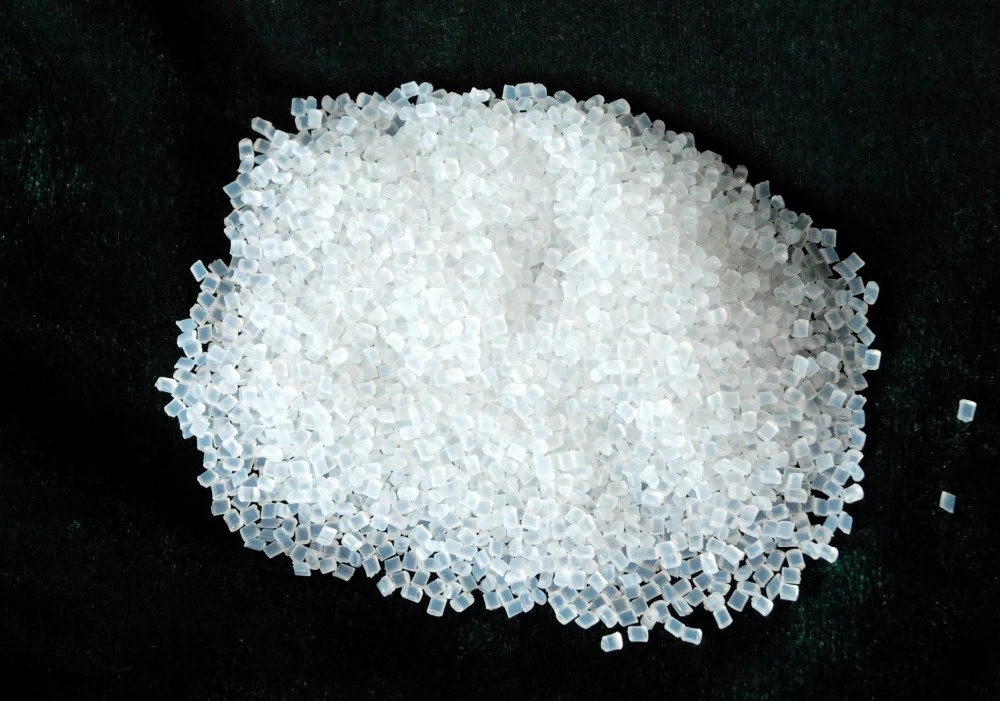
Nylon 6
Found this useful?