
Polycarbonate: Industrial Applications and Global Market Trends
Polycarbonate has become an important engineering plastic for industries that require materials combining strength, transparency and lightweight performance. From automotive components and electronic equipment to construction materials and medical devices, this versatile thermoplastic supports applications where conventional plastics may not provide sufficient durability.
The growing demand for lightweight materials, advanced electronics and durable construction products continues to influence the global polycarbonate market. Manufacturers increasingly consider polycarbonate when developing products that require impact resistance, dimensional stability and design flexibility. For chemical traders, procurement managers and industrial buyers, understanding its applications and market developments can help identify sourcing opportunities and make informed purchasing decisions.
What Is Polycarbonate and Why Is It Important?
Polycarbonate (PC) is a high-performance thermoplastic polymer recognised for its excellent impact strength, optical clarity and thermal stability. Unlike many conventional plastics, it can withstand considerable physical stress while maintaining its transparency and structural properties.
Its combination of mechanical and optical characteristics makes it suitable for products that require both visibility and protection. Polycarbonate also offers good dimensional stability and electrical insulation properties, expanding its usefulness across different manufacturing sectors.
Key Properties of Polycarbonate
Several characteristics make polycarbonate commercially valuable:
High impact resistance: Polycarbonate can withstand significant physical impact, making it useful for protective equipment, safety panels and automotive components.
Optical transparency: Its clear appearance makes it suitable for glazing, lenses, lighting covers and transparent equipment housings.
Lightweight construction: It offers manufacturers an alternative to heavier materials, particularly glass, in applications where reducing product weight matters.
Thermal stability: It maintains useful mechanical properties across a range of operating temperatures.
Electrical insulation: Its insulating characteristics support applications involving electrical housings, connectors and electronic components.
Design flexibility: Manufacturers can process polycarbonate through injection moulding, extrusion and other industrial manufacturing techniques.
However, polycarbonate does not provide identical performance in every environment. Buyers must consider chemical compatibility, UV exposure, operating temperatures and the specific mechanical requirements of the finished product.
Major Industrial Applications of Polycarbonate
Demand for polycarbonate comes from several industries that depend on durable engineering plastics. Its ability to combine transparency with impact resistance makes it particularly valuable in products where material performance directly affects safety, functionality and product design.
1. Automotive and Transportation
The automotive industry uses polycarbonate in components that require lightweight construction, durability and optical performance.
Common applications include:
Headlamp lenses and lighting covers.
Interior dashboards and instrument panels.
Transparent vehicle components.
Sunroof and glazing systems.
Protective housings and exterior components.
Vehicle manufacturers increasingly focus on lightweight materials to support energy efficiency and vehicle design. Polycarbonate offers an alternative to heavier materials in selected applications, including certain glazing and lighting systems.
The development of electric vehicles also creates opportunities for specialised engineering plastics. Battery-related housings, electrical components and protective covers require materials selected according to thermal, mechanical and electrical specifications.
2. Electrical and Electronics Manufacturing
Electrical and electronics manufacturing represents one of the most important application areas for polycarbonate.
The material supports the production of:
Electrical enclosures and protective covers.
Electronic device housings.
Connectors and insulating components.
Lighting systems and diffusers.
Communication equipment components.
Appliance housings and internal parts.
The increasing use of electronic devices, communication equipment and advanced electrical systems creates continued demand for specialised polymer materials.
Manufacturers also require different polycarbonate grades depending on their products. Flame-retardant formulations, optical grades and materials with specific electrical properties serve different production requirements.
3. Construction and Building Materials
Polycarbonate has established a strong position in construction because of its transparency, impact resistance and relatively low weight.
Common construction applications include:
Roofing sheets and skylights.
Greenhouse panels.
Building facades and cladding.
Canopies and covered walkways.
Transparent partitions and safety barriers.
Architectural glazing systems.
Polycarbonate sheets allow natural light to enter buildings while providing a durable alternative to certain traditional glazing materials.
Multiwall polycarbonate sheets also support applications where insulation and light transmission are important considerations. However, buyers should evaluate UV protection, weather resistance, thickness and installation requirements before selecting a particular grade.
4. Medical and Healthcare Equipment
Medical manufacturing requires materials that meet specific performance, cleanliness and regulatory requirements.
Specialised polycarbonate grades can support the production of:
Medical equipment housings.
Diagnostic equipment components.
Transparent medical containers.
Laboratory equipment parts.
Selected surgical instrument components.
Optical clarity allows manufacturers to develop transparent components for equipment that requires visual inspection. Dimensional stability and suitability for particular sterilisation processes also influence material selection.
Medical applications require careful grade qualification. Buyers should confirm relevant biocompatibility documentation, regulatory compliance and sterilisation compatibility before approving a material for production.
5. Packaging and Consumer Products
Polycarbonate also serves selected consumer product and packaging applications.
Examples include reusable containers, water-related equipment components, protective product housings and durable household items.
Its transparency and impact resistance can improve product functionality and durability. However, material selection depends on the intended application, applicable food-contact requirements and relevant regional regulations.
Global Polycarbonate Market Trends and Demand Drivers
The global polycarbonate market continues to evolve as manufacturers respond to changing industrial requirements, regional production developments and demand for high-performance materials.
According to market demand information included in Covestro's 2026 reporting, global polycarbonate consumption reached approximately 5.7 million tonnes in 2024. The same report indicates that consumption could increase to approximately 7.1 million tonnes by 2030, representing an estimated annual growth rate of 3.7% between 2025 and 2030.
Several industries contribute to this expected expansion.
Electronics and Consumer Goods Demand
Electronics remain a significant demand driver for polycarbonate resins. Mobile devices, computers, telecommunications equipment and household appliances require materials that offer durability, insulation and design flexibility.
The growing use of electronic products in developing economies also creates opportunities for polymer manufacturers and suppliers.
Consumer goods represent another important market. Manufacturers use polycarbonate in appliances, household equipment and products where impact resistance and appearance influence material selection.
Automotive Lightweighting
Automotive manufacturers continue exploring materials that can reduce vehicle weight without compromising essential performance requirements.
Polycarbonate supports this objective through selected glazing, lighting and component applications. The expansion of electric vehicle manufacturing may also encourage demand for specialised engineering plastics.
Regional Demand Growth
Asia-Pacific remains an important centre for polycarbonate production and consumption.
China has strengthened its position through substantial investment in domestic production capacity. Other Asian markets, including India and Southeast Asian countries, also offer opportunities as industrial manufacturing and electronics production expand.
Covestro's market projections indicate particularly strong expected consumption growth in South Asia and Southeast Asia between 2025 and 2030.
Global Production and Regional Market Developments
Production capacity and regional manufacturing investments influence the competitive structure of the polycarbonate market.
China's Expanding Production Capacity
China has become a major force in global polycarbonate manufacturing. Its expanding industrial base and investment in polymer production have increased the availability of material across international markets.
Covestro's 2026 reporting identifies approximately 2 million tonnes of additional Chinese polycarbonate production capacity between 2019 and 2024.
Further investment could strengthen China's export position and increase competition among international suppliers.
Other Important Producing Regions
Beyond China, polycarbonate production has an established presence in several industrial regions.
South Korea and Japan: These markets have developed polymer manufacturing capabilities and specialised material technologies.
Europe: European producers maintain an important position in engineering plastics and specialised applications.
North America: The region supports established polymer production and demand from automotive, electronics and construction manufacturers.
India: Growing manufacturing activity and planned capacity investments could strengthen its future position in the regional supply chain.
For international buyers, these developments create opportunities to compare suppliers based on production capabilities, product specifications and delivery arrangements.
Factors Influencing Polycarbonate Prices and Supply
Polycarbonate purchasing costs depend on several interconnected factors. Buyers should evaluate more than the quoted price when comparing international suppliers.
1. Raw Material Costs
Bisphenol A (BPA) represents an important feedstock in conventional polycarbonate production. Changes in BPA availability and pricing can influence polymer manufacturing costs.
Energy, utilities and other production expenses also contribute to overall cost movements.
2. Production Capacity and Supply Conditions
New manufacturing facilities can increase available supply and intensify competition among producers.
However, increased capacity does not automatically guarantee consistent availability of every grade. Specialised materials may have different production requirements and supplier limitations.
3. Product Grade and Specifications
Polycarbonate is available in different formulations designed for specific applications.
Important distinctions include:
General-purpose grades for standard industrial manufacturing.
Optical grades for applications requiring high transparency.
Flame-retardant grades for selected electrical applications.
UV-stabilised grades for outdoor environments.
Medical grades for specialised healthcare equipment.
Higher-performance formulations may involve additional manufacturing and quality-control requirements.
4. International Logistics and Trade Conditions
Shipping costs, freight availability, import duties and customs requirements influence the final landed cost.
Buyers sourcing internationally should also consider packaging quality, delivery schedules and the supplier's ability to provide consistent documentation.
Sustainability and the Future of Polycarbonate
Environmental considerations are becoming increasingly important throughout the plastics industry.
Manufacturers and material suppliers are exploring ways to reduce production impacts, improve resource efficiency and increase the use of recycled polymers.
Polycarbonate can support certain lightweight product designs, but its environmental performance depends on manufacturing methods, product lifespan and end-of-life management.
Recycling and Circular Material Development
Mechanical recycling can recover suitable polycarbonate waste for processing into secondary material. However, contamination, material degradation and inconsistent waste streams can affect the quality of recycled resin.
Chemical recycling offers another development pathway by breaking polymer materials into recoverable chemical components. Its commercial suitability depends on process efficiency, economics and available infrastructure.
Suppliers are also developing certified circular and alternative feedstock solutions to support manufacturers seeking improved material traceability.
For procurement teams, recycled content claims should include appropriate documentation. Buyers should assess material performance and certification requirements before introducing recycled grades into established production processes.
What Polycarbonate Buyers Should Consider Before Sourcing
Selecting the right polycarbonate supplier requires a clear understanding of the intended application and technical requirements.
Procurement teams should evaluate the following factors before confirming an order:
Grade suitability: Confirm whether the application requires general-purpose, optical, flame-retardant or specialised medical-grade material.
Technical specifications: Review melt flow rate, impact strength, transparency, heat resistance and other relevant parameters.
Quality documentation: Request a Certificate of Analysis (COA), Technical Data Sheet (TDS) and Safety Data Sheet (SDS).
Regulatory requirements: Check relevant food-contact, medical or electrical compliance requirements where applicable.
Supplier reliability: Evaluate production capabilities, supply consistency and previous experience with the required grade.
Commercial terms: Compare minimum order quantities, payment conditions, shipping arrangements and delivery timelines.
Packaging and storage: Confirm that the material will remain protected from moisture, contamination and unsuitable storage conditions.
Buyers should also request samples when introducing a new supplier or changing material grades. Testing the material under actual manufacturing conditions can help identify processing or performance differences before large-scale purchasing.
The Outlook for Polycarbonate in Global Manufacturing
Polycarbonate is positioned to remain an important engineering plastic as industries continue demanding materials that combine durability, transparency and lightweight performance.
Electronics, consumer goods and packaging are expected to contribute to global consumption growth, while automotive manufacturers continue exploring lightweight material alternatives. Construction and specialised industrial applications also provide opportunities for manufacturers and suppliers.
At the same time, expanding production capacity in Asia may reshape international trade flows and increase competition among producers. Buyers will need to balance material quality, supplier reliability and landed costs when evaluating sourcing opportunities.
For chemical traders and procurement professionals, understanding grade specifications and regional supply developments will remain essential when purchasing polycarbonate for industrial applications.
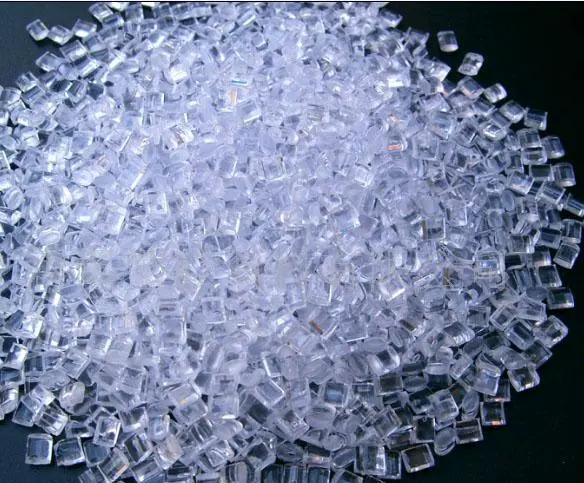
General-Purpose Polystyrene (GPPS)
Found this useful?