Polycarbonate Resin: Industrial Applications and Technical Selection Factors
Polycarbonate resin has become an important engineering plastic for manufacturers that require exceptional impact resistance, optical clarity and reliable performance under demanding operating conditions. Its combination of mechanical strength, transparency and heat resistance makes it suitable for products ranging from automotive components to protective equipment and electrical housings.
Unlike many conventional plastics, polycarbonate can deliver glass-like transparency while offering significantly greater resistance to physical impact. Manufacturers also value its ability to support complex moulded designs and specialised applications that require consistent dimensions and dependable performance.
For chemical traders, importers and procurement managers, understanding polycarbonate resin is important when evaluating industrial material requirements. Selecting the correct grade involves more than comparing prices because processing compatibility, thermal performance, optical quality and application-specific certifications all influence purchasing decisions.
What Is Polycarbonate Resin and What Makes It Different?
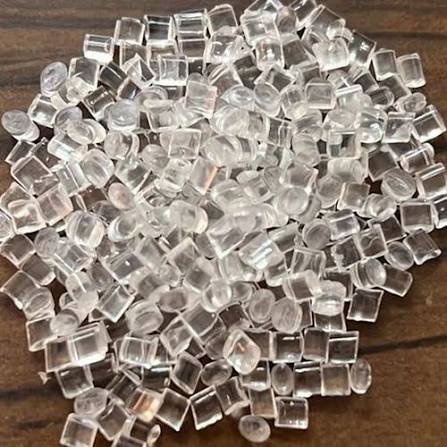
Polycarbonate (PC) is an amorphous engineering thermoplastic containing carbonate linkages within its polymer structure. Commercial polycarbonate resin commonly uses bisphenol A as a key building block during production.
Its molecular structure contributes to a useful combination of physical and mechanical characteristics. These properties allow manufacturers to produce transparent, rigid and impact-resistant components for demanding industrial applications.
The main advantages include:
High impact resistance: Polycarbonate can withstand significant physical stress, making it suitable for protective equipment and durable components.
Optical transparency: Clear grades provide excellent light transmission for applications requiring visibility.
Heat resistance: Selected grades maintain useful mechanical performance at elevated operating temperatures.
Dimensional stability: Properly selected grades support accurate moulding and consistent component dimensions.
Electrical insulation: Polycarbonate provides useful electrical insulating properties for selected electronic and electrical components.
Design flexibility: Manufacturers can process the resin into complex shapes using injection moulding and extrusion.
However, polycarbonate also has limitations. Buyers must consider its sensitivity to certain chemicals, potential surface scratching, moisture absorption during storage and processing requirements.
Understanding these characteristics helps manufacturers determine where polycarbonate offers a stronger technical solution than alternative engineering plastics.
Automotive Industry Applications of Polycarbonate Resin
The automotive industry uses polycarbonate resin in applications where manufacturers require lightweight construction, impact resistance and design flexibility. Its transparency and heat-resistant properties also make it useful for selected lighting and exterior components.
Automotive manufacturers increasingly evaluate engineering plastics to reduce component weight and support more efficient vehicle designs.
Major applications include:
Headlamp lenses: Transparent polycarbonate grades provide optical clarity and impact resistance for automotive lighting systems.
Interior components: Manufacturers use suitable grades for instrument panels, control housings and selected interior structures.
Sunroof components: Polycarbonate glazing solutions can reduce component weight while maintaining visibility.
Protective covers: Selected automotive electrical and mechanical systems use durable polycarbonate enclosures.
Exterior components: Specialised UV-stabilised grades support certain exterior applications that require weather resistance.
Electric vehicle production creates additional opportunities for engineering plastics. Manufacturers require materials for electrical housings, lighting systems and selected protective components.
However, automotive buyers must evaluate heat exposure, flammability requirements, chemical compatibility and mechanical strength before approving a particular grade. A general-purpose polycarbonate resin may not meet the requirements of every automotive application.
Electronics and Electrical Manufacturing Applications
Electronics manufacturers rely on polycarbonate resin for components that require electrical insulation, impact resistance and dimensional accuracy. Its ability to support precision moulding makes it useful across consumer electronics and industrial electrical equipment.
Common applications include:
Electrical enclosures: Protective housings for switches, control panels and electrical equipment.
Electronic device components: Selected computer housings, equipment covers and structural components.
Lighting systems: Transparent covers and diffusers for lighting products.
Connectors and protective parts: Specialised grades for electrical components that require mechanical and thermal stability.
Telecommunications equipment: Selected housings and protective components for communication devices.
Flame-retardant polycarbonate grades are particularly relevant to electrical applications. Manufacturers select these materials when product designs require specific fire-performance classifications.
Buyers should examine the relevant UL 94 classification, electrical properties and operating temperature requirements rather than assuming every polycarbonate grade offers identical safety performance.
Construction, Safety and Industrial Infrastructure Uses
Construction and infrastructure projects create demand for polycarbonate sheets, panels and moulded components. Its transparency, impact resistance and weather-resistant formulations make it useful for applications where conventional glass or other plastic materials may not provide the desired combination of performance and weight.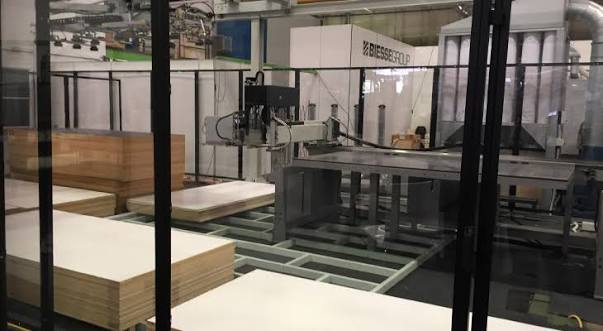
Typical applications include:
Roofing sheets: Polycarbonate panels allow natural light into industrial buildings, warehouses and commercial structures.
Skylights: Transparent sheets support daylighting in selected building designs.
Protective glazing: Impact-resistant panels provide protection in industrial and commercial environments.
Safety barriers: Polycarbonate sheets serve as machine guards and protective partitions.
Greenhouse structures: Transparent panels support light transmission while providing physical protection.
Industrial enclosures: Selected applications use polycarbonate panels to protect equipment and operating areas.
Construction buyers must distinguish between resin grades used for moulding and finished polycarbonate sheet products. UV protection, thickness, impact requirements and weathering performance influence the suitability of the finished material.
Consumer Goods and Medical Equipment Applications
Polycarbonate resin also supports the production of durable consumer products and selected medical equipment. Manufacturers value its transparency, toughness and ability to withstand repeated handling.
Consumer applications include protective eyewear, sports equipment, luggage components, reusable product housings and transparent household accessories.
In medical manufacturing, specialised polycarbonate grades serve selected applications such as equipment housings, transparent containers and components for medical devices. These uses require careful material qualification because general-purpose polycarbonate does not automatically meet medical-grade or biocompatibility requirements.
Several factors make polycarbonate commercially attractive in these sectors:
Its transparency supports products that require clear visibility.
Its impact resistance improves durability during regular handling.
Its moulding flexibility allows manufacturers to produce complex product designs.
Specialised formulations can address particular sterilisation, chemical resistance and regulatory requirements.
Medical and food-contact buyers should request application-specific compliance documents and confirm that the selected grade meets the requirements of the intended market.
Technical Grades and Specialised Polycarbonate Formulations
Polycarbonate is available in multiple commercial grades. Manufacturers develop these formulations to address different processing methods, environmental conditions and product performance requirements.
Understanding the major grade categories helps buyers avoid selecting materials that do not match their production needs.
General-purpose polycarbonate
General-purpose grades serve standard injection moulding and extrusion applications. They offer a balance of impact resistance, stiffness, transparency and processing performance.
UV-stabilised polycarbonate
UV-stabilised grades contain additives that improve resistance to ultraviolet exposure. Manufacturers use them in selected outdoor applications, including roofing sheets, glazing and automotive components.
Flame-retardant polycarbonate
These grades incorporate specialised additives to achieve defined flammability performance. They serve electrical enclosures, electronic housings and equipment components where fire safety requirements influence material selection.
Glass-fibre-reinforced polycarbonate
Glass-fibre reinforcement improves stiffness and dimensional stability. These grades suit structural components where manufacturers require greater rigidity than standard unfilled polycarbonate provides.
Optical-grade polycarbonate
Optical formulations focus on transparency, light transmission and surface quality. They support lenses, lighting components and other applications with specific optical requirements.
Specialised medical and food-contact grades
Selected formulations target regulated applications and may carry specific compliance documentation. Buyers must verify the exact grade and intended-use approval rather than relying on the general properties of polycarbonate.
Manufacturers such as SABIC offer multiple PC resin grades designed for different processing methods and end-use industries.
Key Technical Factors When Selecting Polycarbonate Resin
Selecting polycarbonate resin requires a detailed evaluation of technical specifications. A grade that performs well in one application may create problems in another because manufacturers face different mechanical, thermal and processing requirements.
Procurement teams should focus on the following properties.
1. Impact strength
Impact resistance determines how effectively a material withstands sudden physical force. Buyers should examine notched impact test results and select grades that meet the mechanical demands of the finished product.
2. Melt flow rate
Melt flow rate indicates how readily molten resin flows under specified test conditions. Higher-flow grades can support complex or thin-wall moulding designs, while lower-flow grades may suit applications requiring greater melt strength.
3. Heat deflection temperature
Heat deflection temperature helps buyers assess how a material responds to elevated temperatures under a defined mechanical load. It is particularly important for automotive, electrical and industrial components.
4. Optical clarity and light transmission
Transparent applications require consistent optical performance. Buyers should examine light transmission, haze, colour and surface quality when selecting grades for glazing, lighting or protective panels.
5. UV and weather resistance
Outdoor applications require suitable resistance to sunlight and environmental exposure. UV-stabilised formulations can help maintain material performance during external use.
6. Flame-retardant classification
Electrical and electronic applications may require specific fire-performance classifications. Buyers should confirm the required UL 94 rating at the relevant specimen thickness.
7. Dimensional stability
Dimensional stability affects component accuracy and long-term product performance. Reinforced grades may provide additional stiffness where the application requires tighter dimensional control.
8. Chemical compatibility
Polycarbonate can react adversely with certain solvents, cleaners and chemicals. Manufacturers should test compatibility with substances that the finished product will encounter during normal operation.
Technical comparisons should use consistent testing standards and conditions. ASTM and ISO methods help buyers compare relevant material properties, but the actual grade datasheet remains the primary reference for procurement decisions.
Polycarbonate Resin Processing and Manufacturing Requirements
Processing conditions influence the quality of finished polycarbonate components. Manufacturers commonly use injection moulding and extrusion, while selected applications also involve thermoforming and other fabrication methods.
Moisture control is particularly important. Polycarbonate can absorb moisture during storage, so manufacturers generally need to dry resin according to the supplier's recommended conditions before processing.
Incorrect drying or processing temperatures can contribute to surface defects, reduced mechanical performance and inconsistent finished products.
Procurement and production teams should coordinate on:
Recommended resin drying temperature and duration.
Melt temperature and mould temperature requirements.
Machine compatibility and processing conditions.
Shrinkage behaviour and dimensional tolerances.
Colour consistency and surface finish.
Storage conditions and moisture protection.
Buyers should obtain the manufacturer's processing guidelines before introducing a new grade into an established production line.
Supply Chain and Pricing Factors Affecting Polycarbonate Resin
Polycarbonate pricing depends on raw material costs, production capacity, energy expenses and international trade conditions.
The production chain typically relies on bisphenol A and carbonate chemistry. Changes in feedstock availability, energy prices and manufacturing operations can influence the cost of finished resin.
Several commercial factors affect procurement prices:
Bisphenol A prices: Changes in the availability and cost of key raw materials can influence production economics.
Energy costs: Polymer production requires industrial energy, making electricity and fuel expenses relevant to manufacturing margins.
Plant operating rates: Maintenance shutdowns and capacity changes can affect regional resin availability.
Demand from downstream industries: Automotive, electronics and construction manufacturing influence consumption patterns.
Freight and shipping costs: International logistics affect the landed cost for importers.
Currency fluctuations: Exchange-rate movements influence purchasing budgets and import costs.
Importers should compare quotations using consistent grade specifications and delivery terms. Comparing different polycarbonate grades solely on price can lead to unsuitable purchasing decisions.
Acrylonitrile Butadiene Styrene (ABS)
Found this useful?