
Polymer Industry Outlook: Global Demand and Future Market Developments
The global polymer industry is entering a period of transformation as manufacturers respond to changing consumption patterns, expanding industrial activity and evolving sustainability expectations. Polymers remain essential to modern manufacturing, supporting industries ranging from packaging and construction to automotive production, electronics and agriculture.
The polymer industry outlook reflects two parallel developments: continued growth in global demand and increasing pressure on producers to improve efficiency, develop advanced materials and adopt more sustainable production practices. For chemical traders, importers and procurement professionals, these changes are reshaping sourcing strategies and international trade opportunities.
Global Polymer Demand and Market Growth
Polymer consumption continues to expand as economies invest in infrastructure, manufacturing and consumer goods. According to Grand View Research, the global plastics market was valued at approximately USD 963.7 billion in 2025 and is projected to reach USD 1,009.7 billion in 2026. The market could grow to USD 1,361.3 billion by 2033, reflecting a compound annual growth rate of 4.4%.
Several industries contribute to this expansion:
Packaging: Flexible films, rigid containers, protective packaging and food-grade materials continue to support demand for polyethylene, polypropylene and PET.
Construction: Infrastructure projects require PVC pipes, insulation materials, protective coatings and polymer-based building components.
Automotive: Manufacturers increasingly incorporate lightweight polymer components to improve fuel efficiency and support electric vehicle development.
Agriculture: Irrigation systems, greenhouse films, protective coverings and agricultural packaging create consistent demand for polymer materials.
Consumer goods: Household products, electronics, furniture and everyday manufactured items rely on polymers for durability and cost efficiency.
Asia Pacific remains a particularly important market, supported by extensive manufacturing networks and growing consumption across developing economies.
Major Polymers Driving Industrial Consumption
Different polymer categories serve distinct industrial requirements. Understanding their applications helps traders identify demand patterns and procurement opportunities across international markets.
Polyethylene (PE)
Polyethylene remains one of the most widely consumed polymers globally. Its versatility, chemical resistance and flexible processing characteristics support applications across packaging, construction and consumer products.
The main commercial grades include:
High-Density Polyethylene (HDPE): Used in containers, industrial packaging, water pipes and household products.
Low-Density Polyethylene (LDPE): Common in flexible films, bags, coatings and packaging applications.
Linear Low-Density Polyethylene (LLDPE): Widely used in stretch films, agricultural films and flexible packaging.
Growing demand for protective packaging and agricultural applications continues to support polyethylene consumption.
Polypropylene (PP)
Polypropylene serves packaging, automotive, textiles and industrial manufacturing. Its lightweight characteristics, strength and resistance to moisture make it suitable for a wide range of finished products.
Major applications include woven bags, food containers, automotive interiors, household goods and nonwoven fabrics. Increasing industrial production and demand for lightweight components continue to create opportunities for polypropylene suppliers.
Polyvinyl Chloride (PVC)
PVC remains important to construction and infrastructure markets. Manufacturers use it in pipes, fittings, cables, window profiles, flooring and other building materials.
Infrastructure investment, urban development and water management projects influence PVC demand. Its established manufacturing base and broad application range maintain its position in global polymer trade.
Polyethylene Terephthalate (PET)
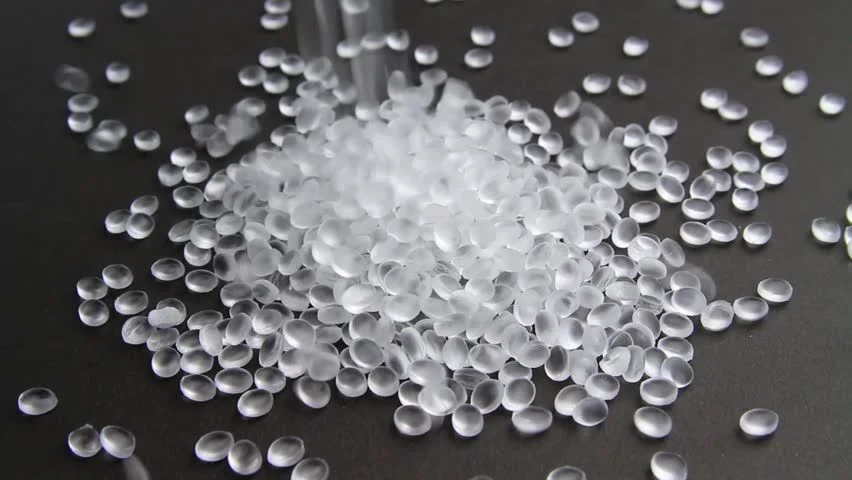
PET serves beverage packaging, food containers, textile fibres and industrial applications. Demand from beverage manufacturers and packaging converters supports its commercial importance.
Recycled PET is also gaining attention as companies explore alternatives to virgin materials and respond to circular economy initiatives.
Regional Developments Reshaping Polymer Trade
Global polymer markets are not developing at the same pace. Regional differences in production capacity, industrial investment, feedstock availability and consumption patterns influence trade flows and competitive positioning.
Asia Pacific: Manufacturing and Consumption Growth
Asia Pacific remains a central force in polymer production and consumption. China maintains a significant position through its extensive petrochemical infrastructure, manufacturing capabilities and domestic demand.
India is also strengthening its position through industrial development, infrastructure investment and expanding manufacturing activity. Southeast Asian economies, including Vietnam and Indonesia, are attracting investment in manufacturing and packaging, creating additional demand for imported polymer grades.
For international traders, these developments create opportunities to serve emerging industrial markets while monitoring changes in regional production capacity.
North America: Feedstock and Production Advantages
North America benefits from access to petrochemical feedstocks and established polymer manufacturing infrastructure. Producers continue to serve domestic converters while supplying international markets.
However, export competitiveness depends on freight costs, regional price differences and demand conditions in destination markets. Traders must consider these factors when evaluating long-term supply agreements and alternative sourcing routes.
Europe: Sustainability and Industrial Efficiency
European polymer markets face growing pressure to improve environmental performance and comply with evolving regulations. Producers are increasingly focusing on specialty materials, recycling technologies and production efficiency.
Demand for polymers remains connected to automotive manufacturing, construction, packaging and industrial applications. However, energy costs and regulatory requirements influence production economics and sourcing decisions.
Emerging Applications Creating New Market Opportunities
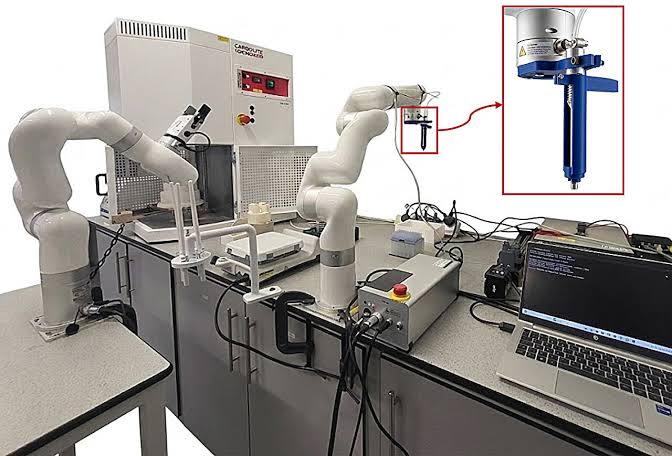
Polymer demand increasingly extends beyond traditional applications. Advancements in material science are helping manufacturers develop grades with specific performance characteristics for demanding industrial environments.
Electric Vehicles and Automotive Manufacturing
Electric vehicle manufacturers require lightweight, durable and electrically suitable materials. Polymers contribute to battery components, cable insulation, interior systems, exterior parts and protective housings.
As automotive companies refine vehicle designs, demand for engineered polymers and specialty compounds may expand. Suppliers capable of meeting specific technical requirements can access opportunities beyond standard commodity grades.
Medical and Healthcare Products
Healthcare manufacturing relies on polymers for packaging, disposable equipment, laboratory supplies and selected medical components.
Material consistency, cleanliness and compliance with application-specific standards are essential in this segment. Buyers often prioritize dependable quality and documentation alongside competitive pricing.
Electronics and Electrical Equipment
Polymers provide insulation, protective housings and structural components in electrical and electronic products. Their ability to support complex shapes and performance requirements makes them valuable in electronics manufacturing.
Growth in electronic equipment production and digital infrastructure supports demand for specialized polymer grades.
Advanced Packaging Solutions
Packaging remains one of the largest application areas for polymers. Manufacturers are exploring thinner materials, improved barrier properties and packaging designs that reduce material consumption without compromising product protection.
These developments create opportunities for suppliers offering consistent specifications and grades suited to evolving processing requirements.
Sustainability and the Shift Toward Circular Polymers
Environmental considerations are becoming increasingly important in the polymer industry. Manufacturers, brand owners and regulators are focusing on reducing plastic waste, improving collection systems and expanding recycling infrastructure.
The transition involves several interconnected developments:
Mechanical recycling: Processing collected plastic waste into recycled material for suitable manufacturing applications.
Chemical recycling: Developing processes that break down certain polymers into chemical feedstocks for further processing.
Bio-based polymers: Exploring renewable feedstocks as alternatives to selected fossil-based raw materials.
Design for recyclability: Developing products and packaging that simplify collection, sorting and recycling.
Recycled-content integration: Incorporating recycled material into manufacturing where technical requirements and product specifications allow.
The market for recycled polymers faces challenges related to feedstock availability, quality consistency, processing costs and competition with virgin resin. S&P Global highlights that regulatory requirements, verification systems and long-term sustainability commitments will play important roles in determining future recycled polymer demand.
S&P Global+1
For buyers, sustainability is becoming an additional procurement consideration rather than a separate initiative. Material performance, price competitiveness, traceability and environmental requirements increasingly influence purchasing decisions.
Key Factors Influencing Polymer Prices
Polymer prices depend on multiple factors across the production and distribution chain. Understanding these influences helps traders and procurement teams evaluate market movements and negotiate supply agreements.
Feedstock and Energy Costs
Crude oil, natural gas and petrochemical feedstocks influence the production economics of many conventional polymers. Changes in energy prices can affect manufacturing costs, particularly in regions with limited access to competitively priced feedstocks.
Supply and Production Capacity
New production facilities, capacity expansions and plant operating rates influence market availability. When supply increases faster than demand, producers may face pricing pressure. Conversely, maintenance shutdowns or unexpected production disruptions can tighten regional markets.
Freight and Logistics
International polymer trade depends on shipping availability, container costs, port operations and transportation infrastructure. Freight fluctuations can significantly affect landed costs, especially for buyers importing material over long distances.
Currency and Trade Conditions
Exchange rate movements influence purchasing costs for importers and revenue for exporters. Tariffs, trade restrictions and changes in regional trade policies can also affect sourcing decisions and supplier competitiveness.
Downstream Demand
Polymer prices respond to activity among converters and end-use manufacturers. Changes in packaging production, construction investment, automotive output and consumer demand can influence purchasing volumes and inventory levels.
For procurement professionals, monitoring these variables together provides a stronger market perspective than relying on individual price movements.
Supply Chain Challenges and Global Sourcing Strategies
The polymer supply chain connects feedstock producers, petrochemical manufacturers, polymer suppliers, distributors and downstream processors. Disruptions at any stage can affect material availability, pricing and delivery schedules.
Common sourcing challenges include:
Supply concentration: Dependence on a limited number of producers or exporting regions can increase vulnerability to unexpected disruptions.
Specification differences: Grades with similar commercial names may differ in melt flow rate, density, processing characteristics and technical performance.
Shipping uncertainty: Port congestion, freight availability and changes in shipping routes can affect delivery schedules.
Inventory management: Excessive inventory increases holding costs, while insufficient stock creates production risks.
Supplier reliability: Inconsistent product quality, incomplete documentation and delayed deliveries can complicate procurement.
Buyers can strengthen their sourcing strategies through several practical measures:
Diversify supplier networks. Maintain relationships with suppliers across different production regions to reduce dependence on a single source.
Define technical requirements clearly. Specify grade, application, processing conditions and required quality parameters before requesting quotations.
Evaluate total landed cost. Compare product prices alongside freight, insurance, duties and other import expenses.
Develop forward purchasing plans. Align procurement schedules with expected production requirements and seasonal demand.
Prioritize supplier transparency. Request appropriate technical documentation, certificates and consistent product specifications.
For chemical traders, a diversified supplier network can improve market responsiveness and create opportunities to serve buyers across different regions.
Polymer Industry Outlook: Future Developments Through 2030
The polymer industry is expected to continue evolving as manufacturers balance demand growth with technological innovation, capacity changes and environmental considerations.
Several developments will likely shape the industry's direction over the coming years.
Continued demand from emerging economies: Infrastructure development, urbanization and manufacturing expansion will support polymer consumption in developing markets. Asia and other emerging regions will remain important contributors to demand growth.
Greater focus on specialty polymers: Manufacturers will increasingly develop materials designed for specific applications, including automotive engineering, electronics, healthcare and advanced industrial manufacturing. These products can offer differentiation beyond commodity pricing.
Expansion of recycling infrastructure: Investment in collection, sorting and processing capabilities will influence the availability of recycled polymers. The commercial success of these investments will depend on cost competitiveness, product quality and regulatory support.
Changing production economics: Feedstock availability, energy costs and capacity additions will continue to influence regional competitiveness. Producers may adjust product portfolios and export strategies in response to market conditions.
Digitalization of procurement and supply chains: Digital sourcing platforms, data-driven market analysis and improved supplier communication can help buyers identify opportunities and manage procurement more efficiently.
The long-term outlook therefore combines continued industrial demand with structural changes in how polymers are manufactured, traded and consumed.
What Procurement Teams Should Prioritize
The evolving polymer industry creates opportunities for buyers who combine market awareness with effective procurement planning.
Procurement teams should focus on:
Tracking regional demand trends and production capacity changes.
Comparing suppliers based on technical specifications and reliability.
Monitoring feedstock, energy and freight developments.
Evaluating recycled and specialty grades where suitable for their applications.
Maintaining flexibility in sourcing destinations and purchasing schedules.
Building long-term relationships with reliable international suppliers.
For chemical traders and importers, understanding these developments can support better purchasing decisions, improve supplier negotiations and help identify emerging markets for polymer products.
The polymer market will continue to serve as a foundation for global manufacturing. Buyers who adapt to changing trade conditions, evolving applications and sustainability requirements will be better positioned to navigate future market developments.
Polyethylene Terephthalate (PET)
Found this useful?