Pricing Power Validation: Which Specialty Chemical Segments Sustained Crisis Premiums
The 2026 Hormuz crisis served as a definitive stress test for specialty chemical suppliers globally. It revealed which companies possess genuine pricing power and which merely disguise commodity products as specialty offerings. Premium pricing held firm in segments with high technical barriers. Conversely products differentiated only by relationship or convenience saw their margins evaporate rapidly. Procurement managers and chemical executives must understand this divergence to navigate future market volatility. This objective data now guides critical portfolio management and M&A decisions across the entire industry.
The Great Pricing Power Test of 2026
The 135-day logistical disruption forced buyers to evaluate their supply chains under extreme duress. Suppliers attempted to pass on elevated logistics and raw material costs to downstream customers.
Some segments successfully maintained these elevated price points well into August 2026. Other segments saw their temporary crisis premiums collapse entirely by mid-summer as alternative routes opened.
This divergence provides a clear roadmap for evaluating true product differentiation. Market conditions alone do not dictate long-term pricing power. Structural barriers to entry determine margin sustainability.
Segments That Sustained Crisis Premiums
Three specific categories demonstrated remarkable pricing resilience throughout the disruption and beyond. Electronic chemicals led this group with unwavering margin protection.
Semiconductor-grade solvents and advanced photoresists maintained their premium pricing without resistance. Manufacturers cannot risk substituting these critical materials without extensive and costly validation processes.
Aerospace materials also sustained their elevated value. Certified composites and specialty coatings require rigorous qualification processes that prevent rapid supplier switching.
Pharmaceutical excipients rounded out the resilient trio. Regulatory qualification barriers effectively shielded these products from immediate price erosion. Buyers accepted the premium to ensure uninterrupted drug manufacturing and patient safety.
The Collapse of Commodity-in-Disguise Pricing
Not all specialty chemicals commanded lasting respect from the market. Several segments experienced a rapid collapse in pricing power after initial second-quarter shortages.
Industrial surfactants achieved temporary premium pricing between March and May. However they quickly reverted to standard commodity pricing by June as alternative supply normalized.
Certain adhesive intermediates faced a similar trajectory. Buyers aggressively sought lower-cost alternatives once the immediate panic subsided and inventory buffers replenished.
Mid-tier coating resins also lost their pricing leverage entirely. These products lack the unique performance characteristics required to justify sustained cost increases to end users.
The Core Differentiation Factor: Technical and Regulatory Barriers
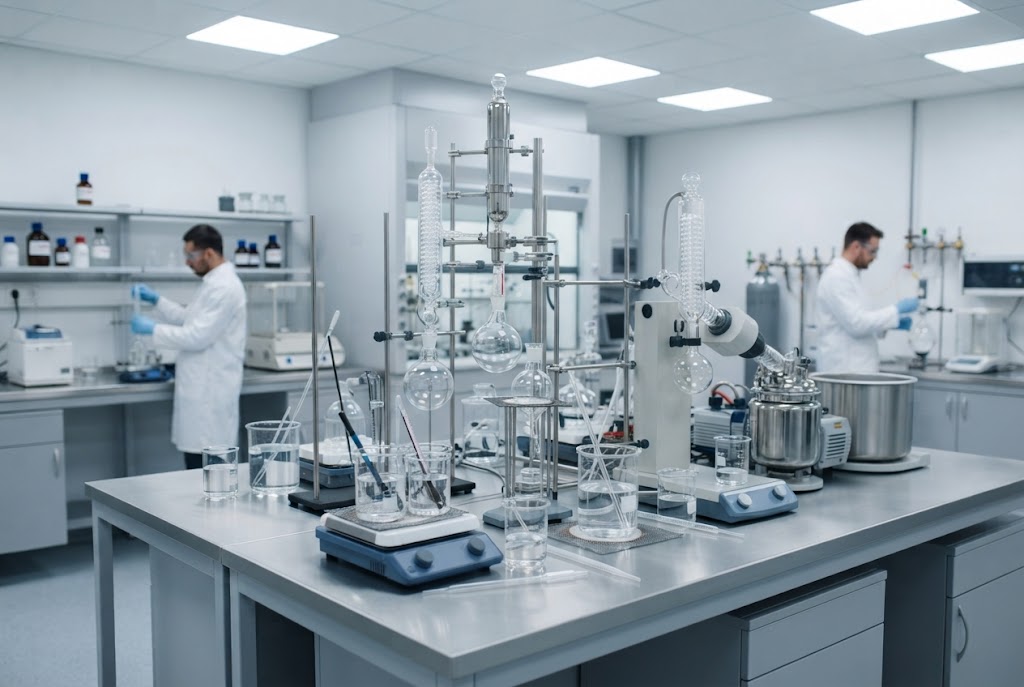
The defining characteristic of sustained pricing power is the presence of genuine substitution barriers. Products requiring extensive technical validation or regulatory approval naturally resist price compression.
Buyers prioritize supply security and product consistency over minor cost savings in these areas. The risk of production failure or regulatory non-compliance far outweighs the benefit of a cheaper alternative.
Conversely products differentiated primarily by historical relationships or geographic convenience offer no such protection. Once supply chains stabilize buyers immediately revert to cost-driven procurement strategies.
This reality forces suppliers to honestly assess their value proposition. Marketing claims of specialty status mean nothing without underlying technical or regulatory moats protecting the product.
Strategic Implications for Portfolio Management and M&A
This crisis provides objective evidence for corporate development teams evaluating chemical assets. Acquirers must prioritize product lines with proven structural pricing power during due diligence.
Companies relying on market-condition-dependent pricing represent significant financial risk. Their margins will inevitably compress during the next supply chain normalization phase.
Portfolio managers should actively divest from commodity-in-disguise segments. Capital is better deployed toward expanding capacity in high-barrier specialty chemicals with proven resilience.
M&A valuation models must now include rigorous stress testing of pricing resilience. Historical margin data from stable periods no longer predicts future profitability accurately.
What Specialty Chemical Executives Should Do Now
Chemical leaders must immediately audit their product portfolios against these crisis findings. Identify which segments sustained premiums and which collapsed under market pressure.
Reallocate research and development budgets toward products with genuine technical barriers. Strengthen the regulatory and performance moats around your most profitable offerings.
Procurement teams should leverage this data to negotiate better terms for commodity-like inputs. Suppliers in these segments have lost their leverage and will compete aggressively on price.
The market has permanently separated true specialty chemicals from mere commodity variants. Aligning your strategy with this reality ensures long-term financial stability and competitive advantage.
Ready to source Titanium Dioxide from verified global suppliers? Explore competitive offers on our platform today.
Sources
https://www.icis.com/explore/resources/news/2026/specialty-chemical-pricing-power-crisis-analysis
https://www.mckinsey.com/industries/chemicals/our-insights/2026/portfolio-bifurcation-strategy
https://www.chemicalweek.com/business/2026/commodity-in-disguise-pricing-collapse
https://www.supplychaindive.com/news/2026/specialty-chemical-ma-pricing-resilience
Titanium Dioxide
Found this useful?