Propylene Oxide: Production, Industrial Uses and Market Outlook
Propylene oxide plays a central role in the global chemical industry because manufacturers use it to produce materials found in buildings, vehicles, furniture, appliances and industrial products. Its importance extends beyond direct chemical processing. Demand for polyurethane foams, propylene glycol and other derivatives connects the propylene oxide market to several major manufacturing sectors.
For chemical traders, importers and procurement managers, understanding this market means looking beyond the chemical's applications. Production technology, propylene feedstock costs, plant operating rates, regional capacity additions and downstream demand all influence availability and purchasing conditions. These factors will remain important as the industry moves through 2026 and 2027.
What Is Propylene Oxide and How Is It Produced?
Propylene oxide (PO), also known as 1,2-epoxypropane, is a highly reactive organic chemical intermediate. It appears as a colourless, volatile liquid and serves as a starting material for several commercially important derivatives.
Manufacturers primarily produce it by reacting propylene with an oxidising agent. The selected production route influences operating costs, by-product generation, environmental performance and the economics of the final product.
Major production methods
The global industry uses several established production technologies:
Chlorohydrin process: This traditional method reacts propylene with chlorine and water to produce chlorohydrin intermediates, which manufacturers subsequently convert into propylene oxide. The process generates chlorinated by-products and wastewater, creating environmental management challenges.
Styrene monomer co-production (PO/SM): This route produces propylene oxide alongside styrene monomer. Its economics depend partly on demand and pricing for both products, so changes in either market can influence operating decisions.
Tert-butyl alcohol co-production (PO/TBA): This technology produces propylene oxide alongside tert-butyl alcohol or related derivatives. The value of the co-product contributes to the overall production economics.
Hydrogen peroxide to propylene oxide (HPPO): This process uses hydrogen peroxide to oxidise propylene. Water is the main reaction by-product, making HPPO an attractive alternative to routes that generate more complex co-product streams.
HPPO has gained attention as producers seek production technologies with more favourable environmental profiles. However, investment decisions still depend on hydrogen peroxide availability, energy costs, plant integration and local market conditions.
Key Industrial Applications of Propylene Oxide
The largest demand segment for propylene oxide comes from the production of polyether polyols. These materials are essential ingredients in polyurethane systems, which serve construction, automotive, furniture and appliance manufacturers.
Polyether polyols and polyurethane
Polyether polyols account for the largest share of global propylene oxide consumption. Manufacturers react propylene oxide with suitable initiators to produce polyether polyols, which then combine with isocyanates to form polyurethane materials.
Major applications include:
Flexible foam: Used in mattresses, furniture cushioning, vehicle seating and other comfort applications.
Rigid foam: Supports thermal insulation in buildings, refrigeration equipment and industrial systems.
Automotive components: Used in seating, interior cushioning and selected insulation applications.
Adhesives and sealants: Polyurethane systems provide bonding and sealing properties across construction and manufacturing.
Coatings and elastomers: Polyurethane derivatives contribute flexibility, durability and resistance to wear.
Demand for these materials connects propylene oxide consumption to construction activity, furniture production, vehicle manufacturing and household appliance output.
Propylene glycol and other derivatives
Another important application is the production of propylene glycol. This derivative serves several industries, including:
Unsaturated polyester resins and related industrial formulations.
Pharmaceutical and personal care products, subject to the required grade and applicable regulations.
Food-related applications where manufacturers use compliant food-grade material.
Antifreeze, heat-transfer fluids and de-icing formulations.
Propylene oxide also supports the production of glycol ethers and other speciality chemical intermediates. These derivatives serve applications in coatings, cleaning formulations and industrial processing.
Global Supply, Production Capacity and Regional Demand
The propylene oxide market has become increasingly influenced by Asian production capacity, particularly in China. Expanding facilities have changed regional supply balances and increased the importance of monitoring new plant start-ups and downstream absorption.
According to S&P Global's Chemical Economics Handbook summary, mainland China represented approximately 45% of global propylene oxide consumption in 2024. Europe and North America followed with approximately 20% and 17%, respectively. These figures underline China's importance as both a major consumer and a significant production centre.
Asia-Pacific
Asia-Pacific is a major centre for propylene oxide production and consumption. China has expanded its manufacturing capacity, while demand from polyurethane, construction, furniture and appliance industries supports the region's large downstream market.
However, additional capacity can create supply pressure when downstream demand does not expand at the same pace. ICIS reported that three Chinese propylene oxide plants with combined capacity of approximately 900,000 tonnes per year were scheduled to start up in the second half of 2026. The timing and operating rates of these facilities will influence regional availability.
India and Southeast Asian markets also matter to regional trade. Buyers should evaluate local demand, import requirements, freight costs and the availability of suitable suppliers rather than relying only on headline regional capacity.
Europe and North America
Europe and North America have established propylene oxide production and downstream manufacturing industries. Their markets are influenced by propylene costs, energy prices, plant operating rates and demand from polyurethane and other chemical derivatives.
Production economics can become challenging when imported material competes with higher-cost domestic output. Plant maintenance, capacity rationalisation and changes in trade flows can therefore affect regional supply conditions.
What Influences Propylene Oxide Prices?
Propylene oxide prices respond to several connected factors. Buyers should monitor both upstream production economics and downstream purchasing activity because either side can shift the market balance.
Feedstock and production costs
Propylene is the main feedstock for propylene oxide production. Changes in propylene prices can influence producer margins and selling offers. Energy, utilities, hydrogen peroxide and other process inputs also affect manufacturing costs, depending on the production technology.
For co-product routes, the prices of styrene monomer or tert-butyl alcohol can influence plant economics. A change in co-product profitability may affect operating decisions even when propylene oxide demand remains stable.
Capacity additions and plant operations
New production facilities can increase supply and put pressure on prices, particularly when several plants start up within a short period. Actual market impact depends on commissioning schedules, production reliability, operating rates and the ability of downstream buyers to absorb additional volumes.
Unexpected shutdowns, maintenance and operational disruptions can tighten availability. Procurement teams should therefore distinguish announced capacity from material that is commercially available.
Downstream demand and inventories
Polyether polyol producers represent a major source of propylene oxide demand. Their purchasing activity often reflects conditions in construction, furniture, automotive and appliance manufacturing.
High inventories can reduce immediate buying requirements, while stronger downstream orders may encourage producers to increase operating rates and replenish stocks. Export demand for derivatives can also influence regional purchasing patterns.
Freight, trade and regional availability
Import-dependent markets face additional cost considerations. Ocean freight, insurance, port handling, duties, exchange rates and delivery lead times can all affect landed procurement costs.
Buyers should compare offers on a consistent basis, including product specification, Incoterms, shipment size, payment terms and delivery location.
Procurement, Storage and Handling Considerations
Propylene oxide requires careful handling because of its volatility, flammability and hazardous exposure characteristics. Procurement teams should assess supplier quality and logistics capabilities alongside price.
Product specifications and supplier checks
Commercial specifications commonly address purity, water content, acidity, aldehydes, colour and non-volatile residue. Actual limits can vary by producer, grade and intended application.
Before placing an order, buyers should request:
A current Certificate of Analysis (COA).
Safety Data Sheet (SDS) and relevant transport documentation.
Confirmation of purity and key impurity limits.
Packaging or bulk shipment details.
Batch traceability and manufacturing origin.
Confirmation that the product meets the buyer's intended process requirements.
Storage and transport
Propylene oxide needs suitable closed systems and equipment designed for the chemical's physical and hazardous properties. Storage and transfer operations should follow the supplier's SDS, applicable regulations and site-specific safety procedures.
Facilities should control ignition sources, manage vapour exposure and maintain appropriate ventilation and emergency response arrangements. Buyers should also verify that transport providers have the required equipment, training and documentation for the material.
Propylene Oxide Market Outlook for 2026 and 2027
The outlook for propylene oxide will depend on the balance between new production capacity and demand growth in downstream industries. Market forecasts point to continued long-term demand expansion, supported by polyurethane applications and industrial development.
Grand View Research estimated the global propylene oxide market at USD 20.7 billion in 2025 and projected USD 21.7 billion for 2026. Its forecast places the market at USD 32.1 billion by 2033, with a projected compound annual growth rate of 5.8% from 2026 to 2033. These are market revenue estimates, not forecasts of physical production or consumption volumes.
The near-term picture is more complex. New Chinese capacity scheduled for 2026 could increase competition among producers, especially if downstream polyether polyol demand and export activity do not absorb the additional supply. At the same time, plant operating decisions and possible capacity rationalisation in higher-cost regions may influence regional availability.
For 2027, buyers should monitor several developments:
Chinese capacity utilisation: The actual operating performance of new plants will help determine whether additional nameplate capacity translates into sustained market supply.
Polyurethane demand: Construction insulation, furniture, appliances and automotive manufacturing will remain important demand indicators.
Feedstock costs: Propylene and energy price movements will continue to influence production margins and selling strategies.
Trade flows: Export competitiveness, tariffs, freight costs and regional trade restrictions may redirect material between markets.
Technology mix: HPPO investment and the gradual shift away from older production technologies may reshape the industry's cost and environmental profile.
Procurement teams should avoid relying on a single global price indicator. Regional balances can differ considerably, so buyers need to compare local availability, import parity and supplier reliability before committing to large volumes.
What Global Buyers Should Prioritise
A sound propylene oxide purchasing strategy combines market monitoring with technical and logistical due diligence. Buyers should track propylene feedstock trends, producer operating rates, new capacity announcements and downstream polyol demand.
It is also useful to maintain relationships with multiple qualified suppliers. Comparing offers across origins can improve negotiating flexibility, but the lowest quoted price does not always represent the lowest landed or operational cost.
Before finalising a contract, procurement managers should confirm specification compliance, shipment conditions, delivery schedules, documentation and safe handling arrangements. Buyers should also review the supplier's ability to maintain consistent quality across repeat shipments.
As the market moves into 2027, additional capacity and changing regional trade patterns may create both sourcing opportunities and periods of price pressure. Businesses that combine reliable supplier relationships with regular market intelligence will be better positioned to manage these changes.
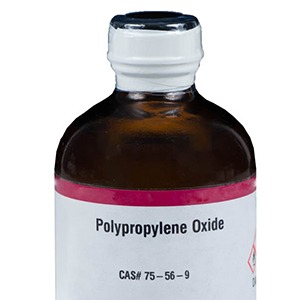
Propylene Oxide
Found this useful?