Pulp and Paper Chemicals: Key Ingredients Used in Modern Paper Manufacturing
Pulp and Paper Chemicals: Key Ingredients Used in Modern Paper Manufacturing
Overview Of Paper Chemicals
Paper chemicals designate group of chemicals that are used for paper manufacturing, or modify properties of paper. While there are about 3000 or so different types of chemicals which can be used in papermaking, in practice only about 200 individual chemicals typically used, each satisfying specific need.
Non-fibrous raw materials include chemicals used for preparation of pulping liquors and bleaching solutions and various additions to fiber during paper making process. For pulping and bleaching, raw materials include sulfur, lime, limestone, caustic soda, salt cake, soda ash, hydrogen peroxide, chlorine, sodium chlorate, and magnesium hydroxide.
Raw materials for papermaking include wood such as pine, eucalyptus, and non-wood fibers such as bamboo, wheat straw, reeds. These raw materials mainly composed of cellulose, hemicellulose, and lignin. Chemical composition of wood mainly cellulose about 40-50%, hemicellulose 20-30%, lignin 20-30%. Chemical wood pulp produced by cooking wood chips in alkaline or acidic solution typically using sodium hydroxide and sodium sulfide.
Pulping Chemicals – Breaking Down Wood
Chemicals used in paper manufacturing include caustic soda lye sodium hydroxide NaOH for pulping, chlorine dioxide ClO2 for pulp bleaching, hydrogen peroxide H2O2 in pulp bleaching. To enhance paper's strength, cationic starch added to wet pulp in manufacturing process.
Chemical wood pulp produced by cooking wood chips in alkaline or acidic solution typically using sodium hydroxide and sodium sulfide. To break down wood into fibers, kraft pulping process also known as sulfate process commonly used. It relies on solution called white liquor, primarily composed of sodium hydroxide and sodium sulfide.
Chemicals used for chemical pulping process in paper making include sodium hydroxide NaOH breaks down lignin during cooking, sodium sulfide Na2S enhances removal of lignin in kraft pulping, sodium carbonate Na2CO3 key chemical in soda pulping, chlorine dioxide ClO2 used in bleaching for producing white paper, hydrogen peroxide H2O2 eco-friendly bleaching agent.
Pulping chemicals caustic soda sodium hydroxide used in Kraft process to break down wood chips into pulp. Caustic soda added to increase pH in pulping process of fibers. Main raw materials for papermaking include wood and non-wood fibers, composed of cellulose, hemicellulose, lignin, requiring chemical treatment to separate cellulose fibers from lignin.
Annex B chemicals and additives used in papermaking lists pulping chemicals caustic soda sodium hydroxide used in Kraft process, bleaching agents chlorine dioxide ClO2 commonly used for bleaching pulp to achieve high level of whiteness, sizing agents alkyl ketene dimer AKD popular sizing agent that provides water resistance to paper, fillers calcium carbonate CaCO3 used to improve brightness and opacity while reducing costs.
Chemicals used in pulping process to break down raw materials such as wood chips into individual cellulose fibers accomplished through chemical pulping methods that employ chemicals like sodium hydroxide NaOH and sodium sulfide Na2S in kraft process or sulfuric acid H2SO4 in sulfite process.
Bleaching Chemicals – Achieving Whiteness
If paper needs to be white such as printing and cultural paper, pulp must be bleached. Common bleaching agents include chlorine Cl2, chlorine dioxide ClO2, hydrogen peroxide H2O2, sodium hypochlorite NaClO. Chlorine dioxide commonly used for bleaching pulp to achieve high level of whiteness, hydrogen peroxide eco-friendly bleaching agent.
Bleaching agents chlorine dioxide ClO2 commonly used, hydrogen peroxide H2O2 in pulp bleaching. These chemicals remove residual lignin and brighten pulp without excessive fiber degradation.
For food-grade minerals, similar bleaching chemistry relevant: hydrogen peroxide used in food processing as bleaching and sterilizing agent, requiring food-grade compliance. Sodium bicarbonate used in both paper making and food processing.
Functional Additives – Strength, Sizing, Filling
Essential chemicals used in papermaking include sizing agents, fillers, strength additives.
Strength Additives: To enhance paper's strength, cationic starch added to wet pulp in manufacturing process. Cationic starch used to enhance paper strength, added to wet pulp. Starch and dextrin materials derived from cereals or roots, basic constituent polysaccharide which on hydrolysis yields long chain glucose units. Cationic starch improves tensile strength and retention of fillers.
Sizing Agents: Sizing agents alkyl ketene dimer AKD popular sizing agent that provides water resistance to paper. Common sizing agents include AKD and alkenyl succinic anhydride ASA, rosin sizing. Sizing prevents ink feathering and provides water resistance, critical for printing and packaging papers.
Fillers: Calcium carbonate CaCO3 used to improve brightness and opacity while reducing costs. Fillers calcium carbonate, talc agalite silicate of magnesia MgO-32% SiO2-42% formula, and others. Calcium carbonate GCC natural mining with low-energy milling offers 28-35% less CO2 per ton compared to synthetic PCC, creating sustainability advantage for paper industry where fillers constitute 20-30% of paper weight in printing grades.
Paper chemicals market includes fillers like calcium carbonate GCC which improves brightness, opacity, printability while reducing fiber costs. That parallels food-grade calcium carbonate GCC for fortification, requiring similar particle size control but higher purity for food grade.
Retention And Drainage Aids: Polymers like polyacrylamide help retain fines and fillers during sheet formation, improving efficiency.
Coating Chemicals: For coated papers, coating formulations include calcium carbonate, kaolin, latex binders, and additives to improve printability and gloss.
Specialty Chemicals – Adhesives And Surface Treatments
Adhesives available in various types: natural starch and dextrin derived from cereals or roots, basic constituent polysaccharide. Caustic soda added to increase pH in pulping process. Cationic starch used to enhance paper strength.
Adhesives and chemicals key ingredients in paper industry include various types of adhesives for corrugated board, laminating, and specialty applications.
56 chemicals used in paper mills names and functions includes agalite or talc chemical name silicate of magnesia, showing diversity of mineral fillers used.
List of chemicals used in pulp and paper manufacturing and coating shows while about 3000 types can be used, only about 200 typically used, each satisfying specific need, indicating specialization similar to textile auxiliaries where 20-30 chemicals used from pre-treatment to finishing.
Market Drivers And Sustainability
Global polymers market 835B 2025 to 880B 2026 to 1.34T-1.4T by 2034, with packaging as primary driver, directly linking to paper chemicals as paper competes with plastic in packaging. Recycled HDPE price trend moved higher 13-33% in Q2 2026 due to pressure to use recycled plastic, but paper offers recyclable alternative with lower carbon footprint.
Market will experience accelerated adoption of sustainable technologies, with notable shift toward bio-based and circular chemicals. For paper chemicals, trend toward chlorine-free bleaching using hydrogen peroxide and oxygen, bio-based sizing agents, and calcium carbonate GCC with lower CO2 footprint.
Food and beverage segment expected to have highest CAGR, driving demand for food-grade packaging papers requiring compliant chemicals with low migration, similar to food-grade mineral requirements FSSC 22000, Halal, Kosher.
Practical strategies for buyers include tracking caustic soda, chlorine dioxide, and calcium carbonate as leading indicators, monitoring regulatory changes on chlorine bleaching and sustainability, and building tiered budgets. Focus on four decision signals input trend, lead-time movement, supplier capacity discipline, compliance friction.
Ultimately, pulp and paper chemicals key ingredients include pulping chemicals caustic soda NaOH, sodium sulfide Na2S, sodium carbonate Na2CO3, bleaching chemicals chlorine dioxide ClO2, hydrogen peroxide H2O2, functional additives cationic starch for strength, AKD for sizing, calcium carbonate CaCO3 filler for brightness opacity, and specialty adhesives starch dextrin, with about 200 chemicals typically used from 3000 possible, supporting modern paper manufacturing from wood containing 40-50% cellulose to finished paper with enhanced strength and printability.
Sources:
Paper chemicals - Wikipedia – Paper chemicals designate group chemicals used for paper manufacturing or modify properties – Caustic Soda sodium hydroxide NaOH pulping – Chlorine dioxide ClO2 pulp bleaching – cationic starch added to wet pulp to enhance strength – https://en.wikipedia.org
Annex B Chemicals and Additives used in Papermaking – Pulping chemicals caustic soda – Bleaching agents chlorine dioxide – Sizing agents alkyl ketene dimer AKD – Fillers calcium carbonate CaCO3 – https://jumanji.workers.dev
Chemical Pulping Process in Paper Making – World Paper Mill – Chemicals used chemical pulping sodium hydroxide NaOH breaks down lignin – sodium sulfide Na2S enhances removal lignin kraft pulping – chlorine dioxide bleaching – hydrogen peroxide eco-friendly – https://worldpapermill.com
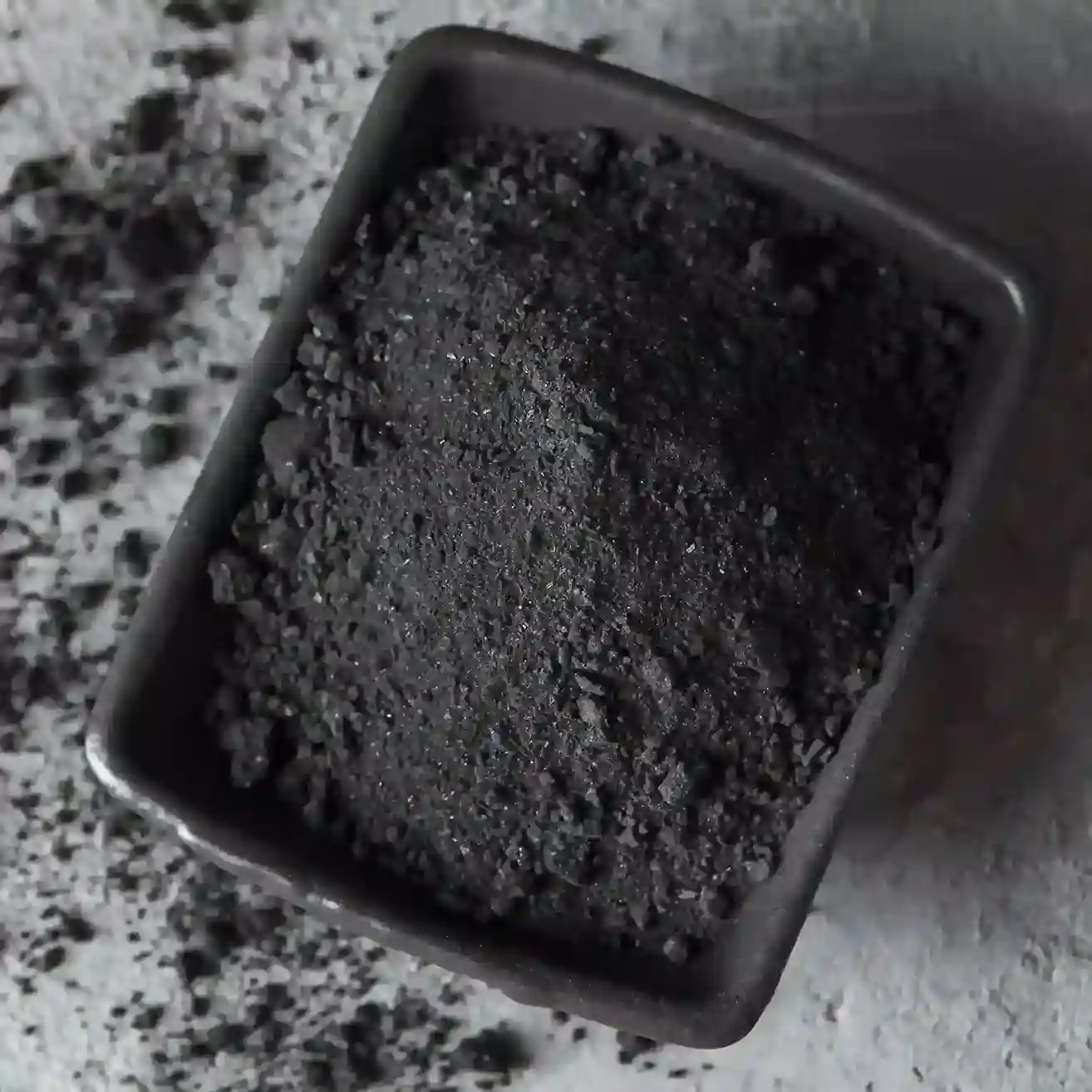
Carbon Black (N220) - China
Found this useful?