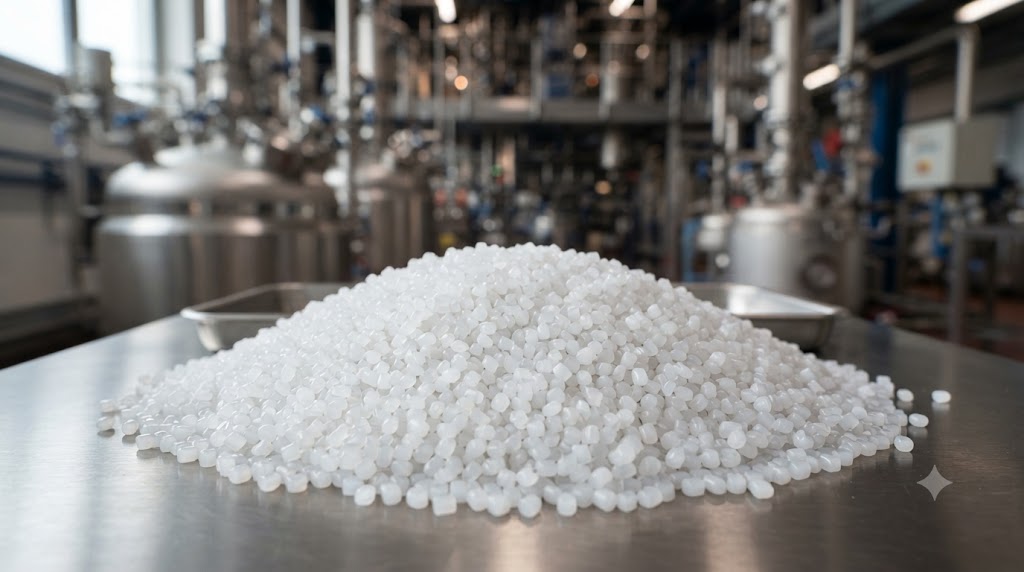
PVC Spot Prices Rebound as Chinese Markets Stabilize
SunSirs reported a slight rebound in domestic PVC spot prices on July 21, 2026. This movement marks a notable shift after weeks of sustained downward price pressure in the Chinese commodity chemical market. Procurement managers and chemical traders must pay close attention to this stabilization signal. A floor appears to be forming beneath valuations as supply-side dynamics begin to tighten. Buyers who delayed purchases anticipating further declines now face a shifting market reality. Understanding the drivers behind this rebound is essential for optimizing sourcing strategies.
Decoding the Slight Rebound in PVC Spot Prices
The recent price increase stems from a confluence of supply constraints and stabilizing feedstock costs. Chinese producers have gradually reduced operating rates to manage inventory levels effectively. This deliberate output curtailment prevents further market flooding.
Simultaneously, calcium carbide prices have found a solid support level. This cost foundation gives manufacturers less incentive to slash selling prices further. The market is transitioning from a buyer-driven environment to a more balanced state. Traders are responding to these fundamental shifts by adjusting their bid levels upward.
Supply-Side Dynamics in the Chinese PVC Market
China dominates global polyvinyl chloride production through two primary routes. The calcium carbide method remains prevalent due to domestic coal availability and established infrastructure. Producers utilizing this route face direct correlation with thermal coal pricing.
Recent stabilization in coal markets has removed the downward pressure on production costs. Conversely, the ethylene-based route depends heavily on imported vinyl chloride monomer or direct ethylene imports. Global naphtha volatility continues to create margin uncertainty for these specific facilities.
Recent operational adjustments have affected both production pathways significantly. Producers facing prolonged margin compression have initiated planned maintenance schedules earlier than anticipated. This collective reduction in active capacity removes excess supply from the spot market effectively. Furthermore, environmental inspections in key producing provinces have enforced stricter operational compliance. These regulatory checks naturally limit maximum output volumes. The resulting supply tightening provides the primary catalyst for the recent price rebound.
Demand Signals from Downstream Sectors
Downstream consumption patterns heavily influence the sustainability of this price recovery. The construction sector represents the largest consumer of PVC resin globally. Manufacturers of pipes, profiles and flooring are gradually rebuilding depleted inventory levels.
However, this restocking remains cautious and highly selective. End-users are still navigating tight profit margins and elevated financing costs in the broader economy. They remain unwilling to commit to large volume purchases without clear demand visibility.
The agricultural sector also utilizes significant volumes of PVC for irrigation systems and greenhouse films. Seasonal demand in this specific segment provides a steady baseline consumption floor. Procurement teams must monitor these downstream indicators closely on a weekly basis. A sustained price increase requires consistent offtake from these key manufacturing verticals.
Export Market Implications for Global Buyers
Domestic market stabilization in China directly impacts global export parity. When local prices firm up, Chinese exporters lose the incentive to offer deep discounts on FOB terms. International buyers who previously relied on aggressive Chinese pricing must recalibrate their budgets.
The narrowing price differential between domestic and export markets reduces arbitrage opportunities. Southeast Asian and African importers will likely face firmer quoting from Chinese suppliers in the coming weeks. This shift may prompt buyers to explore alternative sourcing origins.
Producers in North America and the Middle East may gain a temporary competitive advantage. However, global freight volatility continues to complicate total landed cost calculations. Buyers must weigh base product savings against rising transportation expenses.
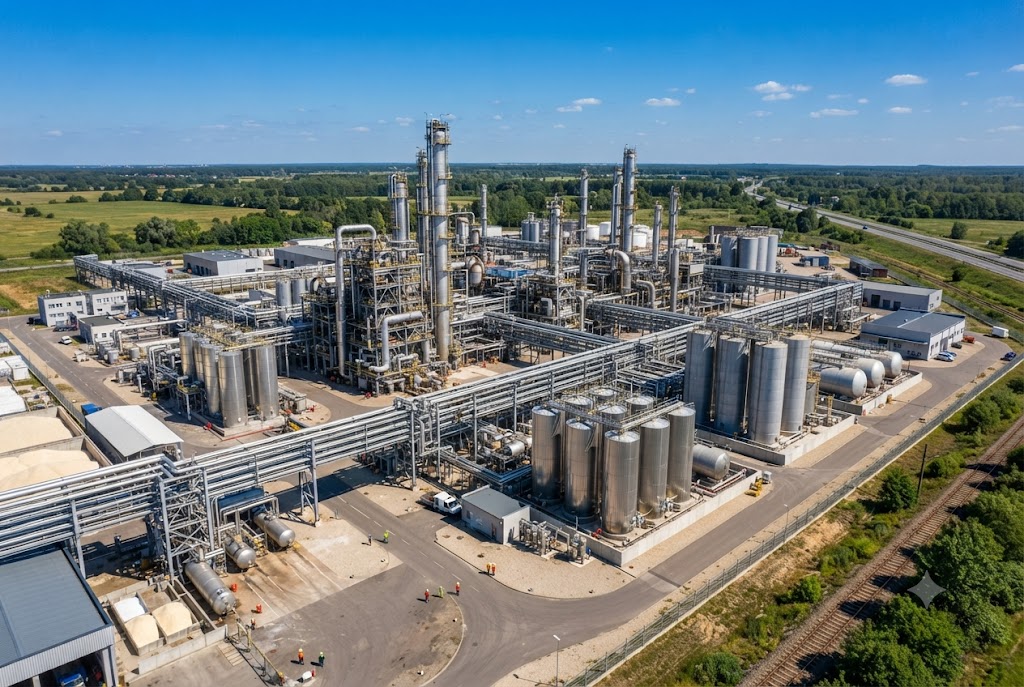
Logistics and Freight Considerations for PVC Imports
While feedstock costs stabilize, logistics expenses require careful monitoring. Ocean freight rates fluctuate based on global energy prices and vessel availability. Diesel and bunker fuel costs may rise independently of chemical market trends.
Buyers must calculate total landed costs accurately. The base product advantage of certain origins often offsets higher freight charges. However, transparent breakdowns of product versus logistics costs are essential.
Securing long-term freight contracts can lock in transportation rates. This strategy complements stable feedstock pricing to create a resilient supply chain. Bulk shipments by vessel offer economies of scale for large-volume importers. Planning ahead minimizes exposure to spot market volatility in shipping.
Strategic Sourcing Adjustments for Procurement Teams
Chemical buyers must adapt their strategies to navigate this evolving pricing environment. Waiting for prices to drop significantly is a risky proposition given the current supply adjustments. A proactive approach provides better long-term value and supply security.
Monitor feedstock benchmarks. Track calcium carbide and ethylene prices closely. These inputs dictate the baseline production cost for Chinese PVC manufacturers.
Secure flexible contract terms. Avoid rigid long-term fixed pricing during volatile periods. Index-linked agreements allow costs to adjust fairly based on market realities.
Diversify supplier geography. Qualify alternative sources in regions with stable energy profiles. This reduces exposure to single-market supply shocks.
Build strategic inventory buffers. Holding extra stock protects against sudden supply disruptions. The carrying cost is often lower than the expense of a production halt.
Evaluate alternative specifications. Consider different PVC resin grades that may offer better availability or pricing. Technical validation of substitute grades can unlock new sourcing avenues.
What Buyers Should Do Now
The slight rebound in PVC spot prices signals a potential turning point in the market. Procurement professionals must not assume this trend will reverse quickly. Secure necessary volumes through reliable channels immediately.
Engage suppliers in transparent discussions about future production plans. Verify their capacity commitments to ensure consistent delivery. Diversify your sourcing base to mitigate regional risks. Building resilience into your procurement strategy ensures operational continuity despite market fluctuations.
Ready to source PVC Resin from verified global suppliers? Explore competitive offers on our platform today.

PVC Resin
Found this useful?