Qatar's LNG Dependency on Hormuz and Chemical Export Exposure
Qatar supplies roughly 20 percent of the world's liquefied natural gas, and almost all of that volume moves through the Strait of Hormuz. What gets less attention is that the same Gulf coast complexes producing that LNG also ship methanol, urea and polyethylene through the identical waterway, with no comparable land based workaround available to any of it.
Why LNG Cannot Simply Reroute Like Crude Oil
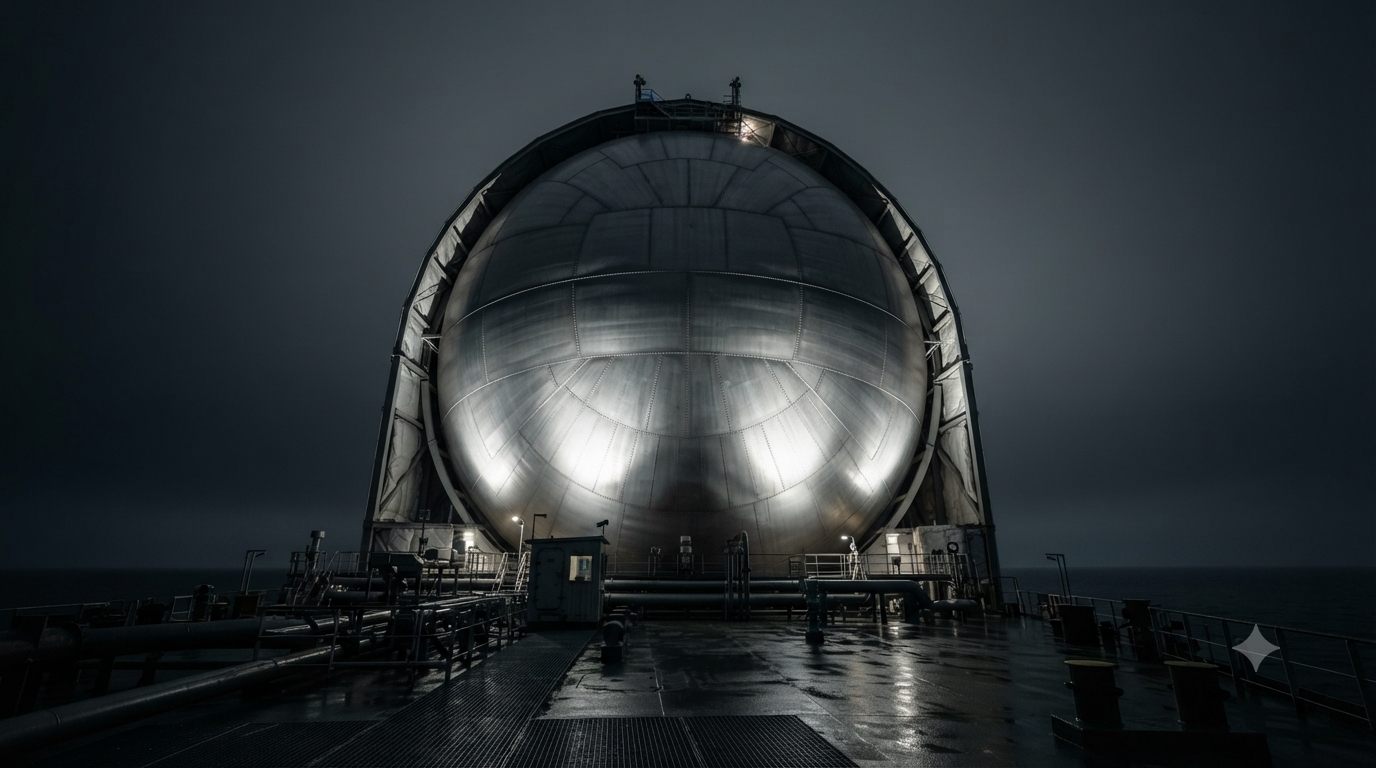
Saudi Arabia showed during the 2026 Hormuz crisis that crude oil can move away from the Gulf through pipelines to Red Sea ports. Qatar has no equivalent option for LNG. Liquefied natural gas requires specialised processing and shipping infrastructure that pipelines cannot replace, which makes gas markets far harder to reroute in a crisis compared with oil.
That structural reality left Qatar fully exposed when the strait effectively closed in early 2026. Commercial shipping through the waterway dropped by roughly 80 percent within two days of the closure, and at one point more than 150 vessels, including LNG carriers, sat idle in and around the strait.
Direct Damage at Ras Laffan Compounded the Chokepoint Problem
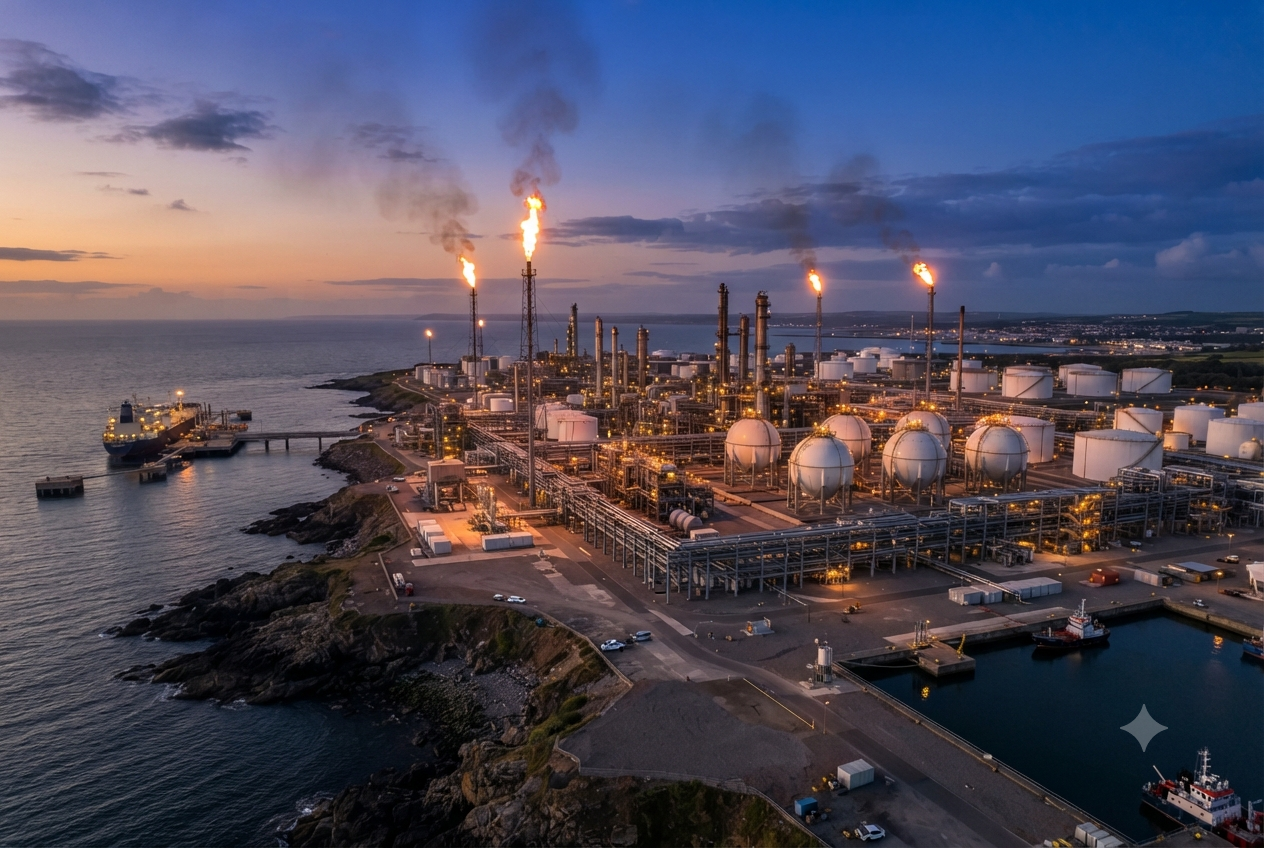
Qatar's exposure was not limited to shipping disruption. Iranian missile strikes on March 18 and 19, 2026 hit the Ras Laffan Industrial City complex directly, damaging two LNG production trains and one of the site's gas to liquids facilities.
The scale of the damage was significant on its own terms:
Roughly 17 percent of Qatar's LNG export capacity was knocked offline, equivalent to about 12.8 million tonnes per year.
QatarEnergy estimated the damage at close to 20 billion dollars per year in lost revenue.
Repairs were expected to take three to five years, according to company officials.
QatarEnergy declared force majeure on several long term LNG supply contracts, directly affecting buyers in South Korea, China, Italy and Belgium.
The Chemical Exports Riding Alongside LNG
Ras Laffan and the neighboring Mesaieed Industrial City are not single product sites. When QatarEnergy suspended operations following the strikes, it halted production of urea, polymers and methanol alongside its LNG output, underlining how tightly Qatar's chemical exports are bundled with its gas business geographically.
The chemical portfolio at stake is substantial:
Methanol and MTBE. Qatar Fuel Additives Company operates a Mesaieed facility with capacity of close to one million tonnes of methanol per year, exporting to markets across Asia and Europe.
Polyethylene and olefins. QatarEnergy's joint ventures with Chevron Phillips Chemical and TotalEnergies in Mesaieed produce ethylene, polyethylene, 1-hexene and normal alpha-olefins.
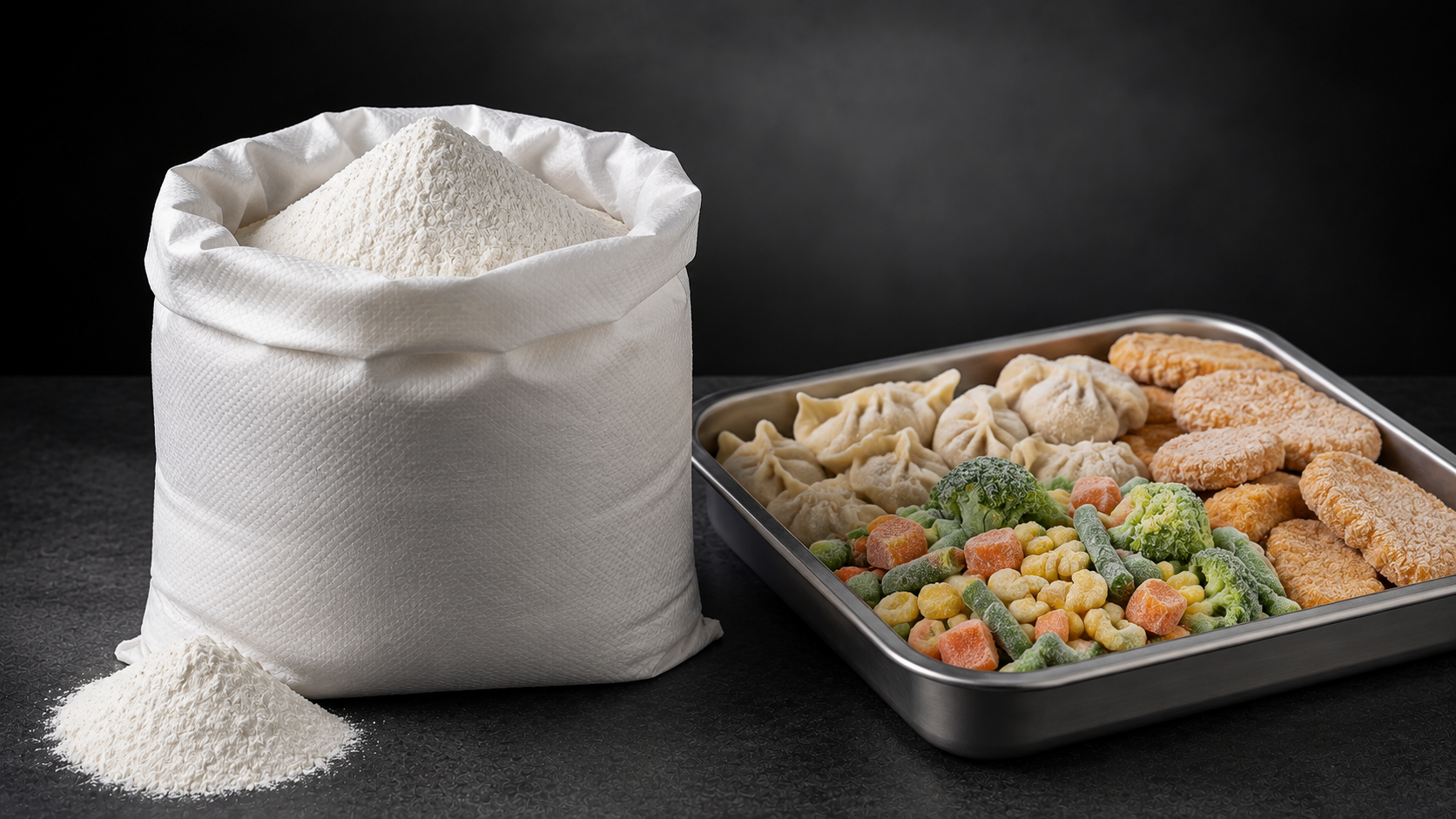
Urea and fertilizer. Qatar has annual capacity to produce 5.6 million tonnes of urea, representing roughly 14 percent of global supply.
Blue ammonia in development. QAFCO and QatarEnergy are advancing a 1.2 million tonne per year blue ammonia project in Mesaieed, meaning even Qatar's next generation low carbon exports are being built into the same maritime chokepoint as its existing hydrocarbon business.
Why Global Methanol Buyers Feel This Beyond Qatar
Qatar's methanol exposure matters well beyond its own customer base because of how much global trade depends on the same route. Around a third of global seaborne methanol trade passes through the Strait of Hormuz, making any sustained disruption a supply issue for buyers far outside the Gulf region.
China, the world's largest methanol buyer, faces particular exposure. Port inventories there have been described as at risk of falling from comfortable levels toward warning thresholds if Middle East exports remain curtailed, which raises costs across downstream industries including plastics, paints and synthetic fibers.
How Qatar Has Tried to Work Around the Closure
Rather than waiting out the disruption entirely, Qatar has made repeated attempts to push individual LNG shipments through the strait despite the risk. Multiple tankers, tracked crossing Hormuz in the months following the initial closure, sailed toward buyers in China and Pakistan even as broader traffic through the waterway remained sharply reduced.
By late July 2026, Qatar sent its first LNG shipment through the strait since an earlier tanker attack, with more than a dozen additional tankers reported idling near Ras Laffan in apparent preparation for a broader resumption. QatarEnergy has indicated it could restore around half of its production capacity within a month of safe navigation returning to the strait, but that timeline remains contingent on conditions in the waterway rather than anything Qatar can control unilaterally.
What This Means for Buyers of Qatari Chemicals and LNG
For procurement teams sourcing methanol, MTBE, polyethylene, urea or LNG linked to Qatar, the core takeaway is that geography leaves no workaround comparable to what Saudi Arabia found for crude oil.
Treat Qatar exposure as a single combined risk, not separate product risks. Because LNG, methanol, urea and polyethylene all move through the same facilities and the same strait, disruption tends to hit the full product slate simultaneously rather than one commodity at a time.
Watch force majeure notices closely. Contracts already affected by force majeure declarations may see extended timelines, and buyers should confirm current delivery status directly with suppliers rather than assuming resumption dates hold.
Expect capacity constraints even after resumption. With repairs at Ras Laffan estimated to take three to five years, full production capacity is unlikely to return quickly even once shipping conditions improve.
Track methanol markets globally, not just Qatari supply directly. Given how much of global seaborne methanol trade depends on the same strait, pricing and availability pressure can show up even for buyers with no direct Qatari supply relationship.
Recognize this exposure is structural, not temporary. Qatar's own blue ammonia expansion plans are being built into the same chokepoint, suggesting this dependency will persist well beyond the current crisis.
A Chokepoint That Extends Far Past LNG
Qatar's position as the world's largest LNG exporter has made it the most visible casualty of Hormuz disruption, but its methanol, urea and polyethylene exports carry the same structural exposure with far less public attention. Buyers across those product lines should plan around Hormuz risk as a permanent feature of Qatari sourcing, not a temporary complication tied to a single conflict. Ready to source methanol from verified global suppliers? Explore competitive offers on our platform today.
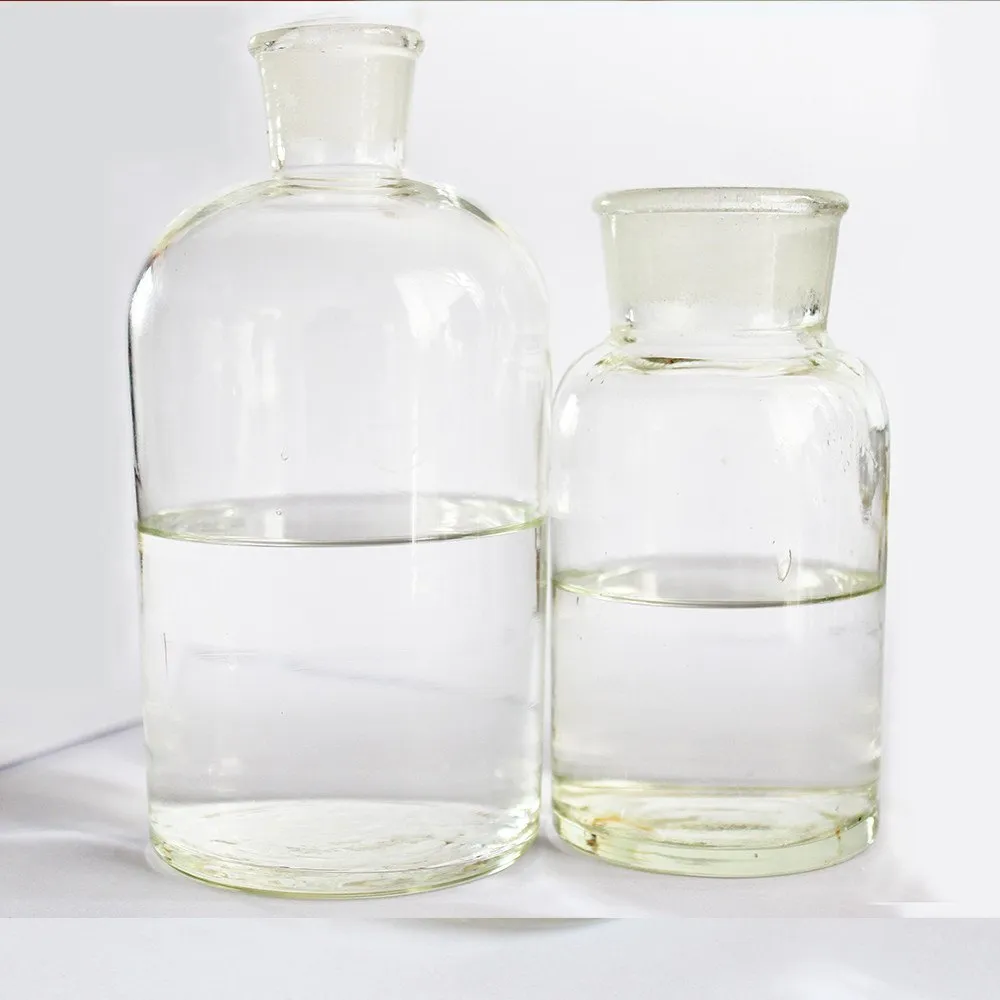
Methanol
Found this useful?