Queensland BioSAF: Carbon Neutral Fuels Advances Sugarcane Waste-to-SAF Project
Australia’s sustainable aviation fuel market is gaining another development signal as Carbon Neutral Fuels joins Bioenergy Australia and advances plans for a Queensland bioSAF project. The company has signed an MoU with Energy Estate to explore producing sustainable aviation fuel from captured sugarcane waste, marking its first project development step in Australia.
For chemical traders, procurement teams and energy buyers, the project highlights a wider shift toward agricultural residues as industrial feedstocks. Instead of treating sugarcane waste only as an agricultural by-product, developers are examining its potential to support higher-value low-carbon fuel production.
Why Sugarcane Waste Matters for BioSAF Production
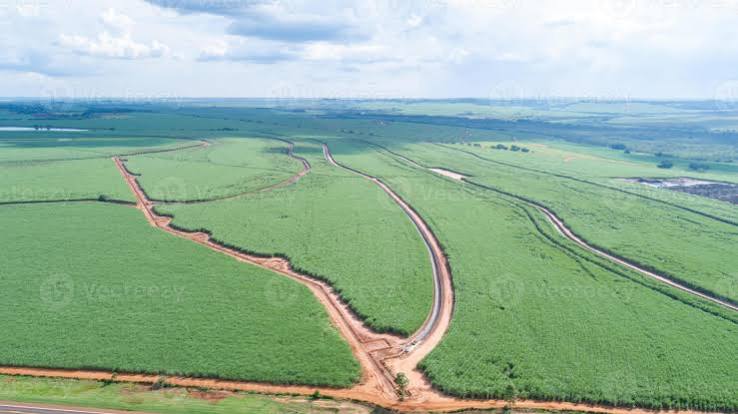
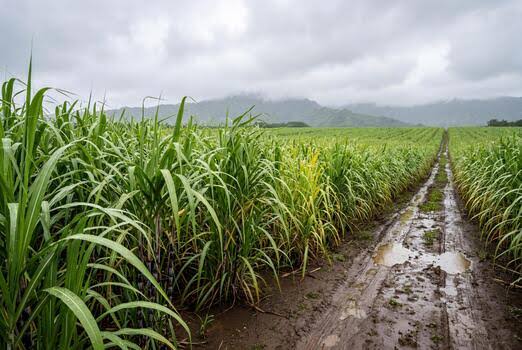
Sugarcane agriculture generates substantial quantities of residual biomass that can become a feedstock for bioenergy applications. Queensland already has an established sugar industry, creating an existing agricultural base from which developers can investigate the availability, collection and processing of suitable waste streams.
The feedstock opportunity also has an important logistical advantage. Sugarcane waste can be concentrated around established agricultural and processing areas, potentially reducing some of the collection challenges associated with dispersed biomass resources. Bioenergy Australia has previously highlighted Queensland sugarcane waste as a significant regional bioenergy opportunity.
For SAF developers, feedstock accessibility matters because a technically suitable raw material is only commercially useful when suppliers can provide it consistently at an acceptable cost and quality.
The Queensland project therefore brings several supply-chain questions into focus:
Feedstock availability: Developers need sufficient agricultural waste volumes to support long-term fuel production.
Collection logistics: Transportation from farms and processing facilities can influence the overall economics of the fuel pathway.
Feedstock quality: Moisture, composition and contamination levels can affect conversion performance.
Contract structures: Long-term agreements may become important for securing predictable biomass supplies.
Carbon Neutral Fuels Expands Into the Australian SAF Market
The agreement between Carbon Neutral Fuels and Energy Estate represents the company's first step into the Australian market. The collaboration involves BioNQ Developments, part of the Energy Estate group, and focuses on evaluating the potential for a North Queensland SAF project based on sugarcane agricultural waste.
The parties plan to assess several elements before determining how the project could progress. These include feedstock supply, potential project locations, technology pathways and future offtake opportunities.
This approach is significant for chemical and energy procurement teams because SAF projects depend on more than conversion technology. Developers must align raw material supply, processing infrastructure, fuel specifications, transportation networks and buyers before a commercial facility can move toward investment.
Carbon Neutral Fuels is also developing Project Starling in the UK, a power-to-liquid SAF project planned to produce 31,000 tonnes of SAF annually. The company's international project experience provides a foundation for evaluating how a new Australian opportunity could fit into a broader low-carbon fuels development pipeline.
What the Bioenergy Australia Membership Adds
Joining Bioenergy Australia gives Carbon Neutral Fuels access to an established industry network covering biofuels, renewable energy, agricultural feedstocks and related infrastructure. Bioenergy Australia's membership base includes producers, technology companies, government bodies, airlines, energy companies and other participants across the bioeconomy.
The membership also places Carbon Neutral Fuels within an ecosystem that already includes organisations working across Australia's low-carbon fuels sector. This can support knowledge sharing around feedstock development, project delivery, policy requirements and commercial pathways.
For a new market entrant, industry participation can help bridge the gap between international project experience and local operating conditions. Queensland's sugar industry has its own production patterns, infrastructure networks and commercial structures, so local relationships can be critical when evaluating a large-scale biomass project.
Bioenergy Australia also operates the Low Carbon Fuels Alliance of Australia and New Zealand, which brings together participants across aviation, agriculture, transport, energy and technology. Carbon Neutral Fuels is listed among the alliance's participating organisations.
Procurement Implications for Sugarcane-Based SAF
The project could create new procurement requirements across several stages of the future value chain. For chemical buyers, the most relevant opportunities may extend beyond the final aviation fuel itself.
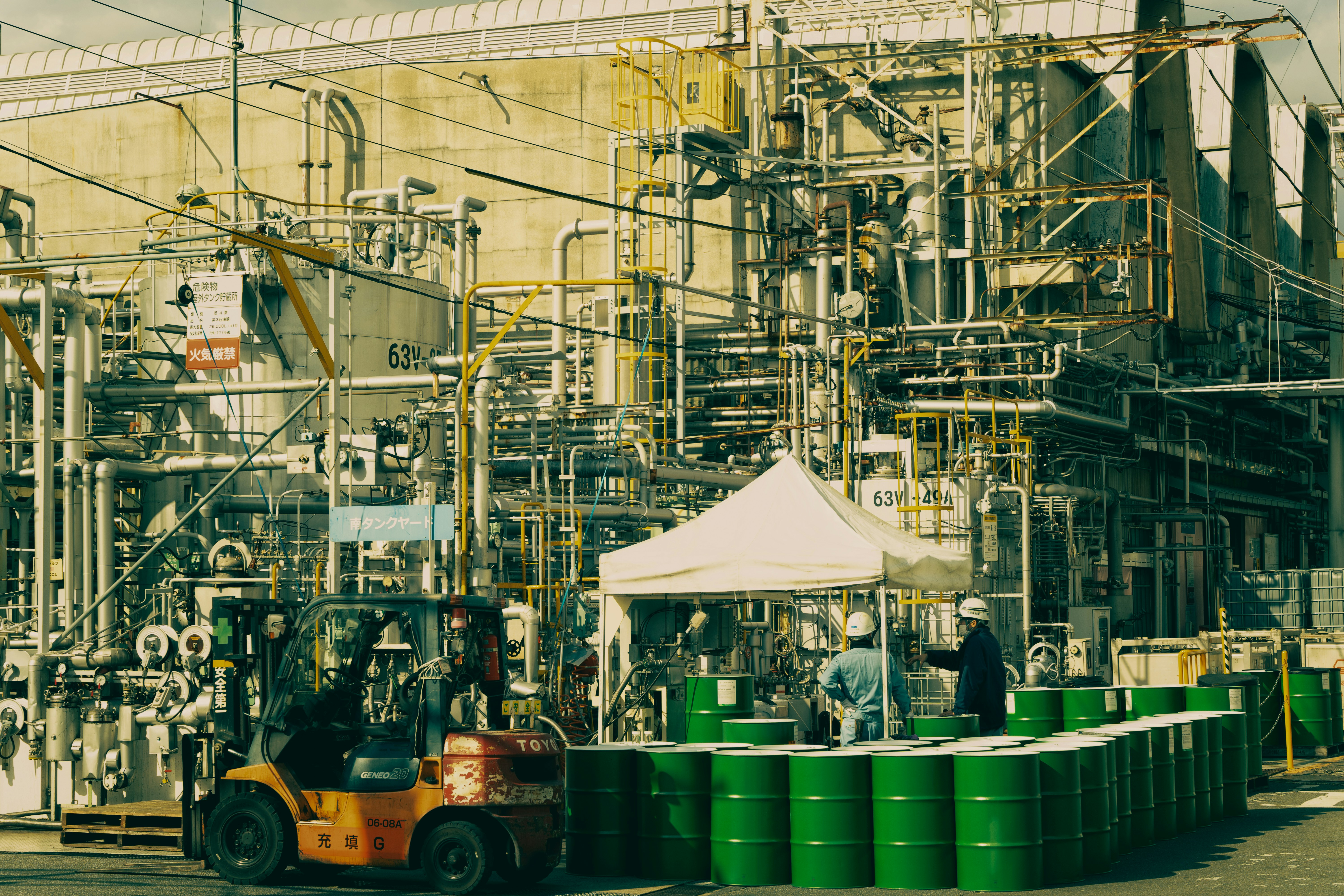
A commercial SAF facility would potentially require process chemicals, catalysts, solvents, water-treatment products, gases, equipment and other industrial inputs. The exact requirements will depend on the technology pathway selected during project development.
Procurement teams should therefore monitor four areas closely:
Feedstock contracts: Long-term agricultural residue agreements could become a critical part of project economics and operational security.
Process technology: The selected conversion pathway will determine much of the chemical and equipment demand associated with the facility.
Fuel certification: SAF must meet applicable technical and regulatory requirements before airlines can incorporate it into their fuel supply chains.
Offtake agreements: Secured buyers can provide project developers with greater visibility over future production requirements and commercial returns.
The MoU stage remains focused on evaluation rather than full-scale commercial production. However, early engagement gives suppliers an opportunity to understand what future procurement categories could emerge as the project develops.
Regional Benefits Could Strengthen the Feedstock Economy
A sugarcane-based SAF industry could connect Queensland's agricultural sector with aviation fuel demand. That creates a potential pathway for agricultural residues to move into higher-value industrial applications rather than remaining underutilised.
The model could also support additional revenue opportunities for rural industries. Carbon Neutral Fuels has highlighted the potential for sugarcane waste to provide additional income streams for regional agriculture while contributing to sustainability objectives.
This creates an important commercial relationship between feedstock producers and fuel developers. Farmers, sugar processors, logistics companies and fuel producers would all have a role in determining whether the supply chain can operate reliably.
For exporters and chemical traders, the development could also create demand for supporting infrastructure and materials. As SAF projects move from feasibility studies toward engineering and construction, demand can expand across industrial chemicals, utilities and process equipment.
Technology Selection Will Shape the Future Supply Chain
The conversion pathway selected for Queensland will be one of the project's most important commercial decisions. Different SAF technologies require different feedstocks, processing conditions and downstream upgrading steps.
Sugarcane residues are lignocellulosic materials, meaning the project must use an appropriate pathway to convert complex biomass components into useful fuel intermediates. Developers must balance conversion efficiency with capital requirements, operating costs, carbon performance and the ability to scale the technology.
The wider Australian market already has significant interest in agricultural residues as potential low-carbon fuel resources. Bioenergy Australia has previously highlighted the importance of sugarcane waste in Queensland, while the national low-carbon fuels sector continues to examine different pathways for aviation and other difficult-to-decarbonise transport segments.
For chemical suppliers, technology selection will ultimately determine which products become commercially relevant. Procurement strategies should therefore remain flexible during the feasibility and engineering phases rather than assuming that one fixed list of process chemicals will apply.
Australia’s SAF Supply Chain Needs Reliable Scale
The Queensland initiative arrives as Australia works to develop a stronger domestic low-carbon fuels industry. A project based on locally available agricultural residues could contribute to fuel diversification while connecting renewable feedstocks with an established agricultural economy.
However, scale will remain a central commercial consideration. A SAF facility needs reliable feedstock, competitive conversion economics, infrastructure and buyers capable of taking substantial volumes.
That means the project should be viewed as more than an individual fuel-production proposal. It represents a potential test case for how Australia can connect agricultural waste resources with industrial-scale renewable fuel markets.
For traders and importers, this could gradually change sourcing patterns for selected industrial inputs. Domestic production of renewable fuels may increase demand for locally available chemicals and process materials while also creating opportunities for international suppliers to serve technology developers and engineering contractors.
What Buyers Should Monitor Next
The next project-development milestones will provide clearer signals about the future supply chain. The current collaboration is evaluating feedstock supply, site selection, technology pathways and offtake, all of which will influence eventual procurement requirements.
Chemical and industrial buyers should watch for:
Feedstock agreements that establish long-term sugarcane waste availability.
Technology selection that identifies the project's conversion and upgrading route.
Site decisions that clarify infrastructure, utilities and logistics requirements.
Engineering activity that could generate demand for process chemicals and equipment.
Offtake commitments from airlines, fuel distributors or other potential customers.
Investment milestones that indicate movement from feasibility toward construction.
These indicators can help suppliers distinguish an early-stage opportunity from a project approaching meaningful procurement activity.
The Carbon Neutral Fuels initiative also demonstrates why agricultural feedstocks deserve closer attention from chemical and energy traders. Biomass that was once considered a low-value residue can become a strategic industrial resource when technology, logistics and market demand align.
The Bottom Line for Procurement Teams
Carbon Neutral Fuels' entry into Queensland adds momentum to Australia's emerging bioSAF landscape. Its partnership with Energy Estate combines international low-carbon fuel development experience with Queensland's established sugarcane resource base and creates a pathway for further evaluation of sugarcane waste as a SAF feedstock.
For procurement teams, the key opportunity is to monitor the project before major purchasing decisions begin. Feedstock agreements, technology choices, site development and offtake commitments will determine which chemicals, materials and services eventually enter the supply chain.
Methanol
Found this useful?