Ranking 2026's Chemical Company EPA Settlements: Chemours' PFAS Agreement Joins the List
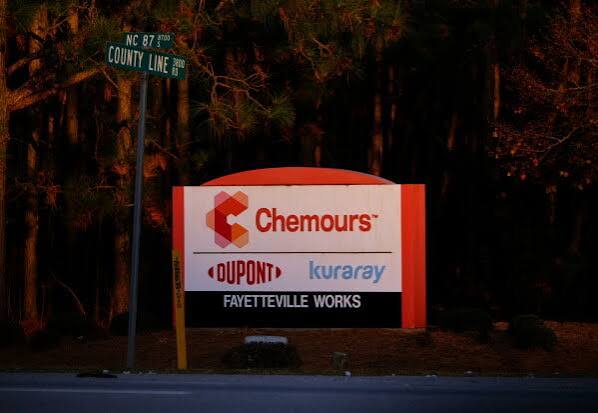
Chemours' May 2026 agreement with the U.S. Environmental Protection Agency (EPA) to resolve PFAS-related claims adds another major environmental settlement to a growing list of regulatory actions affecting chemical manufacturers. The agreement is significant not only because of its financial and legal implications for Chemours, but also because it provides another benchmark for how regulators are approaching historical PFAS liabilities across the chemical industry.
For chemical manufacturers, traders, importers, procurement teams and environmental compliance professionals, the settlement offers a useful intelligence point for understanding how PFAS enforcement is evolving and what similar companies could face as regulatory scrutiny continues to increase.
Chemours' PFAS Agreement Adds to a Growing Regulatory Pattern
PFAS has become one of the most closely watched environmental issues in the chemical industry.
Chemours' agreement with the EPA demonstrates how historical manufacturing activities can continue creating financial and regulatory exposure years after the original chemicals were produced or released.
The settlement therefore needs to be viewed as part of a broader regulatory trend rather than as an isolated corporate event.
For chemical companies, the central issue is increasingly clear:
Historical PFAS exposure can become a long-term balance-sheet and compliance liability.
Why the EPA Agreement Matters
The Chemours agreement is important because it involves federal environmental authorities addressing PFAS-related claims directly with a major chemical producer.
Such agreements can provide regulators with practical precedents for future enforcement.
They can also influence how companies evaluate:
Environmental liabilities
Site remediation obligations
Insurance coverage
Production practices
Chemical inventories
Waste management
Long-term compliance costs
For companies operating facilities where PFAS compounds have historically been used, these considerations are becoming increasingly important.
PFAS Enforcement Is Expanding Beyond Individual Sites
The regulatory focus on PFAS has gradually moved beyond individual contamination incidents.
Authorities are increasingly examining the broader lifecycle of PFAS chemicals, including:
Manufacturing
Industrial use
Waste disposal
Environmental releases
Drinking-water contamination
Product applications
Remediation
This creates a more complicated compliance environment for chemical manufacturers.
A company may face exposure through multiple pathways rather than a single contaminated facility.
Chemours' Position Makes the Settlement Particularly Significant
Chemours has been one of the companies most closely associated with PFAS-related litigation and environmental liabilities because of its historical connection to fluorochemical production.
Its relationship with former DuPont operations has also made PFAS liabilities a major corporate and legal issue.
The 2026 EPA agreement therefore adds another layer to a much larger history of environmental disputes surrounding fluorochemical manufacturing.
For investors, the agreement provides another data point for evaluating how those liabilities are gradually being quantified and resolved.
The Settlement Adds to 2026's Chemical Regulatory Landscape
Chemours' agreement joins other significant regulatory and legal developments involving chemical companies during 2026.
These include:
PFAS contamination settlements
Environmental remediation agreements
Chemical plant enforcement actions
Air-emission cases
Hazardous-waste disputes
Product restrictions
Corporate liability litigation
Taken together, these cases show that environmental compliance remains one of the most important regulatory intelligence themes for the chemical industry.
New Jersey's PFAS Settlement Provides a Useful Comparison
The Chemours agreement also arrives alongside major PFAS settlements involving DuPont-related entities.
New Jersey's recently approved settlement requires DuPont-related companies to pay $875 million over 25 years to resolve PFAS claims associated with contamination across the state.
The comparison is useful because both cases demonstrate how PFAS liabilities can translate into substantial long-term financial commitments.
For chemical companies, the financial impact may extend well beyond the year in which a settlement is announced.
California's DuPont Litigation Adds Another Dimension
California's ongoing litigation against DuPont and related companies has also increased scrutiny of corporate structures used to manage environmental liabilities.
California Attorney General Rob Bonta has accused DuPont and related entities of using a "corporate shell game" to avoid responsibility for PFAS liabilities.
While the Chemours EPA agreement is a regulatory resolution rather than the same type of fraudulent-transfer litigation, the two developments share a broader theme:
Regulators and governments are increasingly focused on ensuring that environmental liabilities remain attached to companies capable of paying them.
Long-Term Liability Is Becoming a Corporate Planning Issue
PFAS liabilities can remain unresolved for decades.
This creates challenges for chemical companies planning:
Acquisitions
Divestitures
Plant closures
Corporate spin-offs
Asset sales
Insurance arrangements
Manufacturing expansions
Environmental liabilities must increasingly be incorporated into strategic planning rather than treated solely as legal or compliance issues.
Procurement Teams Are Also Affected
PFAS regulation does not only affect chemical manufacturers.
Companies purchasing specialty chemicals, coatings, polymers and processing materials may also need to understand whether their supply chains involve PFAS substances.
Procurement teams should increasingly ask suppliers about:
PFAS content
Regulatory status
Product composition
Environmental documentation
Substitution plans
Compliance certifications
Manufacturing-site exposure
This is especially important for companies selling products into jurisdictions with increasingly strict PFAS requirements.
Chemical Traders Face Greater Documentation Requirements
For chemical traders and importers, regulatory settlements can indirectly increase the importance of documentation.
Customers may request greater visibility into:
Chemical composition
Origin
Production processes
Regulatory registrations
PFAS declarations
Safety documentation
Environmental certifications
A supplier that cannot provide clear documentation may become less competitive even if its product price is attractive.
The Cost of Compliance Could Influence Chemical Pricing
Environmental remediation and regulatory compliance can eventually affect chemical economics.
Companies may need to invest more heavily in:
Waste treatment
Emissions controls
Water monitoring
Site remediation
Alternative chemistry
Regulatory testing
Those costs can influence production economics and, in some cases, eventually be reflected in product pricing.
This makes regulatory developments relevant to procurement teams as well as legal departments.
PFAS Restrictions Could Accelerate Substitution
Another consequence of regulatory pressure is increased demand for alternatives.
Companies that historically relied on PFAS-based materials may increasingly evaluate:
Non-fluorinated coatings
Alternative surfactants
Fluorine-free processing aids
New polymer technologies
Lower-risk specialty chemicals
This creates opportunities for suppliers developing replacement technologies.
The transition, however, can be technically challenging because PFAS materials are often valued for their exceptional chemical, thermal and performance properties.
The Regulatory Precedent Matters More Than the Individual Deal
The most important intelligence signal from Chemours' agreement may not be the settlement itself.
It is the precedent created by another major PFAS resolution involving a large chemical producer.
Each settlement gives companies, regulators and investors additional information about how PFAS liabilities may be valued and resolved.
Over time, these agreements can help establish expectations around:
Remediation costs
Corporate responsibility
Settlement structures
Compliance requirements
Insurance claims
Long-term environmental obligations
What Chemical Companies Should Watch Next
Chemical companies should closely monitor several developments through the remainder of 2026:
Additional EPA enforcement actions
State-level PFAS settlements
Drinking-water standards
New restrictions on PFAS-containing products
Corporate liability litigation
Remediation-cost estimates
PFAS alternatives and substitution technologies
The interaction between federal and state regulation will be particularly important.
The Broader Industry Ranking
Chemours' PFAS agreement deserves to rank among the more important chemical regulatory settlements of 2026 because it connects three major industry trends:
PFAS liability, federal environmental enforcement and rising corporate compliance costs.
Its significance becomes even greater when viewed alongside the DuPont settlements and litigation developing across New Jersey and California.
Together, these cases indicate that PFAS regulation is moving from a relatively specialized environmental issue into a broader corporate risk-management priority.
Looking Ahead
Chemours' May 2026 EPA agreement represents another important milestone in the chemical industry's evolving PFAS regulatory landscape.
The settlement demonstrates how historical chemical manufacturing activities can generate significant legal and financial consequences long after the original production occurred.
For chemical manufacturers, the lesson is increasingly straightforward: environmental liabilities need to be identified, quantified and managed as part of long-term corporate strategy.
For traders and procurement teams, the implications extend into supplier qualification, documentation and product selection.
As additional PFAS settlements emerge during 2026 and beyond, the cumulative effect could reshape how chemical companies evaluate legacy assets, production technologies and supply-chain relationships.
Key Takeaways
Chemours' May 2026 EPA agreement adds another major PFAS regulatory settlement to the 2026 chemical industry landscape.
PFAS liabilities are increasingly becoming long-term corporate financial risks.
The agreement provides another benchmark for how regulators approach historical chemical contamination.
DuPont-related PFAS settlements in New Jersey provide an important comparison.
California's ongoing DuPont litigation demonstrates the increasing focus on corporate structures and environmental liabilities.
Chemical companies may face higher remediation, monitoring and compliance costs.
Procurement teams should increasingly request PFAS-related product and supplier documentation.
Regulatory pressure could accelerate the development and adoption of PFAS alternatives.
Chemical traders may face greater documentation and compliance requirements.
The cumulative effect of PFAS settlements could influence future M&A, divestitures, plant closures and chemical sourcing decisions.

Caustic Soda Pearls - China
Found this useful?