
Ranking 2026's Weight-Loss Drug Black Market Scale Against Prior-Year Enforcement Data
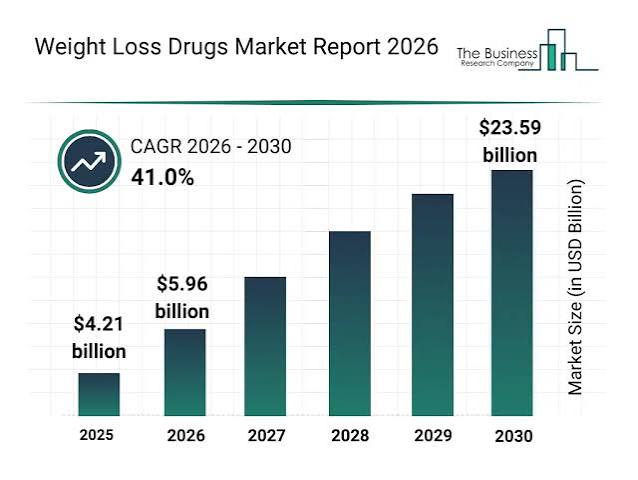
The rapid growth of the weight-loss drug market is creating a parallel challenge: the expansion of unapproved, counterfeit and illicit products sold outside established pharmaceutical channels.
Eli Lilly's 2026 crackdown on unauthorized retatrutide sellers provides a particularly important data point. Lilly has filed six lawsuits against U.S. companies it alleges were selling illegal versions of retatrutide, while referring more than 200 individuals and entities to federal and state authorities.
For pharmaceutical companies, regulators, distributors and procurement professionals, the scale of these enforcement actions provides a useful benchmark for understanding how quickly the illicit weight-loss drug market is developing.
Retatrutide Is Not Even an Approved Medicine Yet
The retatrutide situation is unusual because the drug remains investigational.
Retatrutide is still undergoing Phase 3 clinical development and has not been approved by the FDA or other regulatory authorities. Lilly expects to submit its U.S. application in the first quarter of 2027.
Yet unauthorized versions are already being marketed online and through wellness businesses.
That creates an important distinction:
Demand for a future medicine is developing before the legitimate commercial supply chain even exists.
Lilly's Six-Lawsuit Crackdown
In August 2026, Lilly sued six U.S. companies accused of selling illicit retatrutide products.
The defendants included:
Aesthetic Envy Cosmetic Centers
Astra LLC
Legendary Peptides
Striker Pharmacy
Texas Peptides
Lone Star Peptide Co.
Lilly alleges that some sellers marketed the products for human use while describing them as research products.
The action demonstrates how pharmaceutical enforcement is increasingly extending beyond traditional counterfeit-drug cases into online peptide and wellness markets.
More Than 200 Referrals Show the Broader Scale
The six lawsuits represent only a portion of Lilly's response.
The company says it has referred more than 200 individuals and entities to federal and state authorities and is seeking cooperation from social-media platforms, payment processors and shipping companies.
This suggests the issue is not limited to a handful of isolated sellers.
Instead, it points toward a broader distribution ecosystem.
2025 Seizures Provide a Useful Benchmark
U.S. Customs and Border Protection reported seizing more than 31,000 units of illicit GLP-1 drugs during fiscal year 2025, according to Reuters.
The agency also reported a dramatic spike to nearly 90,000 vials in July alone, illustrating how quickly illicit GLP-1 distribution can scale.
These figures provide an important comparison point for evaluating the 2026 retatrutide crackdown.
The Market Is Bigger Than Retatrutide
Retatrutide is only one part of the wider problem.
The illicit and unapproved market has also involved products marketed as:
Semaglutide
Tirzepatide
Other GLP-1 compounds
Peptide products
Research-use-only products
The FDA has warned that unapproved GLP-1 products have not undergone the agency's review for safety, effectiveness and quality.
Compounded GLP-1s Created an Earlier Market
The current enforcement environment follows several years of enormous demand for compounded weight-loss medicines.
During the shortages of approved semaglutide and tirzepatide products, compounding pharmacies became an important alternative source for some patients.
FDA enforcement discretion around certain compounded products subsequently narrowed as shortages were resolved in 2025.
This created an environment in which legitimate compounding, questionable marketing and outright illicit distribution could become difficult for consumers to distinguish.
2026 Is Moving Toward More Aggressive Enforcement
The regulatory response has become increasingly visible.
In February 2026, Britain's MHRA reported seizing almost 2,000 doses of illegal weight-loss drugs and manufacturing equipment during raids on two locations. The operation followed an earlier major enforcement action against an illicit weight-loss medicine manufacturing facility.
This indicates that enforcement pressure is not limited to the United States.
Australia Adds Another Enforcement Signal
Australian authorities have also intensified action against unapproved weight-loss peptides.
In August 2026, the Therapeutic Goods Administration and NSW Police seized approximately $120,000 worth of illegal and unapproved substances, including retatrutide, during a coordinated operation.
The operation demonstrates how social-media promotion and overseas peptide supply chains are becoming part of the enforcement challenge.
Why the Weight-Loss Category Is Especially Vulnerable
The economics of the weight-loss market create strong incentives for unauthorized supply.
Demand is extremely high, while legitimate medicines can involve:
High prices
Prescription requirements
Limited access
Insurance restrictions
Supply constraints
These conditions can create an opening for sellers offering cheaper or easier-to-access alternatives.
The result is a classic market dynamic:
High demand + limited access + expensive legitimate products = opportunity for unauthorized suppliers.

Online Distribution Changes the Enforcement Model
Traditional counterfeit medicine enforcement focused heavily on physical pharmacies and import channels.
The weight-loss market adds another layer.
Products can be promoted through:
Social media
Wellness websites
Telehealth businesses
Medical spas
Online peptide vendors
Messaging platforms
This makes enforcement more complicated because the distribution network can cross jurisdictions quickly.
The Supply Chain Is Becoming Part of the Enforcement Target
Lilly's response also highlights an important development for the pharmaceutical industry.
The company is seeking assistance from:
Social-media platforms
Payment processors
Shipping companies
alongside regulators and law enforcement.
This means pharmaceutical enforcement is increasingly targeting the infrastructure that allows unauthorized products to reach consumers.
What This Means for Pharmaceutical Companies
For drug manufacturers, the expanding black market creates several risks.
These include:
Brand damage
Patient safety concerns
Lost commercial revenue
Counterfeit-product confusion
Regulatory exposure
Unauthorized use of investigational medicines
For companies developing highly anticipated obesity medicines, these risks can emerge before regulatory approval.
What Procurement Teams Should Watch
Procurement professionals involved in pharmaceutical supply chains should monitor the distinction between legitimate and unauthorized sources carefully.
Important indicators include:
Supplier authorization
API documentation
Manufacturing certifications
Product traceability
Regulatory status
Import records
Quality documentation
The increasing availability of unauthorized peptides makes supplier verification more important than ever.
The Retatrutide Case Could Become a New Benchmark
Retatrutide is particularly significant because the product's black-market presence emerged before commercial approval.
That makes the case different from traditional counterfeit markets surrounding established medicines.
It raises a broader industry question:
How large can an illicit market become when consumer expectations develop faster than legitimate pharmaceutical supply?
The answer could influence how pharmaceutical companies approach future high-demand drug launches.
Looking Ahead
The weight-loss drug market is likely to remain one of the most closely watched areas of pharmaceutical competition.
As new therapies approach approval, consumer demand is already creating opportunities for unauthorized suppliers.
The 2025 seizure data, 2026 Lilly lawsuits and enforcement actions in the UK and Australia together suggest that illicit weight-loss drug distribution is becoming a global supply-chain and regulatory intelligence issue, rather than an isolated counterfeit problem.
For pharmaceutical companies, the lesson is clear: commercial launch strategy increasingly needs to account for unauthorized markets from an early stage.
For regulators, enforcement will need to follow increasingly digital and international distribution networks.
And for procurement teams, supplier verification, traceability and regulatory documentation will become increasingly important as the weight-loss drug market expands.
Key Takeaways
Eli Lilly filed six lawsuits in 2026 against companies accused of illegally selling retatrutide.
Lilly says it has referred more than 200 individuals and entities to authorities over suspected unauthorized retatrutide activity.
Retatrutide remains investigational and has not yet received FDA approval.
U.S. Customs and Border Protection seized more than 31,000 illicit GLP-1 units in fiscal 2025, with nearly 90,000 vials reportedly seized in July alone.
UK authorities seized nearly 2,000 illegal weight-loss drug doses in a 2026 enforcement operation.
Australian authorities also seized illegal retatrutide and other peptides in August 2026.
Social media, online vendors and wellness businesses are becoming important distribution channels for unauthorized products.
The illicit market creates risks for pharmaceutical companies, regulators, suppliers and consumers.
Supplier verification and product traceability are increasingly important as the GLP-1 market expands.
Retatrutide's early black-market activity could become a benchmark for future high-demand drug launches.
Isopropyl Alcohol (IPA) (99.7%) - China
Found this useful?