Ranking Berkshire's $9.7 Billion OxyChem Deal Among the Largest Commodity Chemical Acquisitions
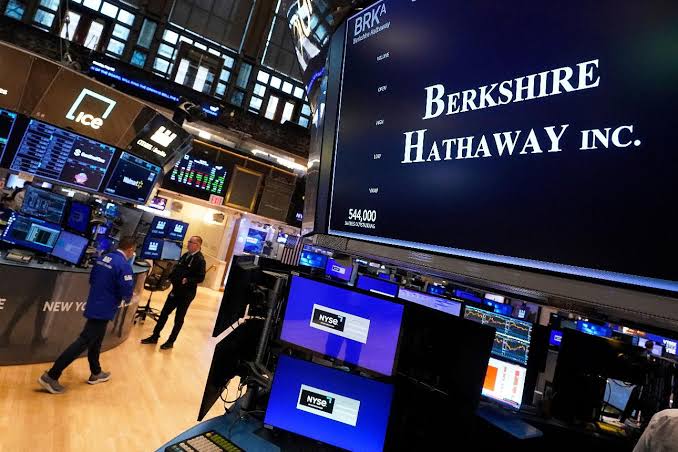
Berkshire Hathaway's $9.7 billion all-cash acquisition of OxyChem ranks among the largest commodity chemical transactions of the current cycle, standing out not only because of its scale but also because it brings a non-traditional acquirer into large-scale chemical manufacturing.
The transaction provides a useful benchmark for comparing the size of major commodity chemical acquisitions while also highlighting the continuing strategic value of established chemical assets with large production footprints, diversified end markets, and essential industrial products.
For chemical industry intelligence, the deal is particularly significant because it demonstrates that mature chemical manufacturing platforms can attract buyers well beyond traditional chemical-sector competitors and private-equity investors.
Ranking the OxyChem Transaction
At $9.7 billion, Berkshire's acquisition represents a substantial commitment to commodity chemicals.
The scale places the transaction in the upper tier of major chemical M&A activity and makes it a useful reference point when assessing the valuation of large established chemical businesses.
Unlike smaller specialty chemical acquisitions, the OxyChem transaction involves a broad operating platform with significant manufacturing infrastructure and exposure to multiple commodity chemical markets.
That makes the deal particularly useful for benchmarking the current appetite for large-scale chemical assets.
Why Berkshire's Entry Matters
The identity of the buyer is almost as important as the transaction value.
Berkshire Hathaway is better known for businesses spanning insurance, energy, transportation, manufacturing, retail, and services than for commodity chemical production.
Its acquisition of OxyChem therefore represents a meaningful expansion of its direct exposure to the chemical manufacturing sector.
The move suggests that Berkshire sees long-term value in established chemical infrastructure and the essential products manufactured through those assets.
OxyChem's Broad Chemical Portfolio
OxyChem provides Berkshire with exposure to several important chemical value chains.
Its operations include products associated with:
Chlor-alkali chemistry
Vinyl products
Chlorinated chemicals
Calcium-based industrial chemicals
Water treatment
Construction
Pharmaceuticals
Industrial processing
This breadth reduces reliance on any single downstream market and gives Berkshire a diversified platform within commodity chemicals.
Chlor-Alkali Remains Strategically Important
One of the most important parts of OxyChem's portfolio is its position in chlor-alkali chemistry.
Products such as caustic soda, chlorine, and hydrochloric acid are fundamental inputs for numerous industrial processes.
Caustic soda is used across chemical processing, pulp and paper, water treatment, and manufacturing.
Chlorine supports a wide range of downstream chemical chains.
Hydrochloric acid is used in industrial processing, metal treatment, water treatment, and other applications.
The importance of these products gives OxyChem exposure to chemical demand that is deeply embedded in the wider industrial economy.
PVC Adds Another Major Dimension
OxyChem is also an important participant in the PVC value chain.
PVC resin serves construction, infrastructure, electrical, flooring, piping, and other applications.
This gives Berkshire exposure to a chemical market closely connected to infrastructure spending and long-term construction demand.
The combination of chlor-alkali operations and vinyl production also provides important integration advantages across the broader manufacturing chain.
Why Existing Chemical Assets Are Attractive
The transaction highlights an important feature of commodity chemical M&A.
Large chemical facilities can be extremely expensive and time-consuming to replace.
Building new capacity requires:
Major capital investment
Environmental approvals
Energy infrastructure
Feedstock arrangements
Skilled workforce
Years of construction
Customer qualification
Acquiring an established producer can therefore provide a faster route to gaining large-scale manufacturing capacity.
For a long-term investor, that replacement value can be highly attractive.
Berkshire's Long-Term Investment Approach
Berkshire's investment model is another reason the transaction deserves attention.
The company has historically favored businesses with durable competitive characteristics and long-term cash-generation potential.
That approach can work particularly well with essential industrial products.
Commodity chemical prices may fluctuate significantly over individual cycles.
However, demand for products supporting:
Water treatment
Infrastructure
Construction
Healthcare
Manufacturing
Industrial sanitation
is likely to persist over much longer periods.
This creates a potentially attractive combination of cyclical earnings and durable underlying demand.
The Transaction Also Reshapes Occidental's Portfolio
For Occidental, the OxyChem sale represents a very different strategic decision.
The company has been focused increasingly on its core energy portfolio and balance-sheet priorities.
Selling OxyChem provides capital that can support broader financial objectives while allowing Occidental to concentrate on its upstream and energy-related businesses.
The transaction therefore represents two complementary strategies:
Berkshire Hathaway → industrial diversification
Occidental → portfolio focus
That strategic alignment is one reason the transaction is particularly interesting from an M&A perspective.
Commodity Chemical Valuation Benchmark
The $9.7 billion headline value also provides a useful benchmark for chemical M&A valuations.
Large commodity chemical businesses need to be assessed using more than simple revenue comparisons.
Relevant metrics include:
EBITDA
Production capacity
Asset replacement value
Utilization rates
Energy costs
Feedstock access
Geographic position
Product integration
Long-term cash generation
A multibillion-dollar acquisition can therefore reflect the value of the physical manufacturing network as much as the earnings generated in any individual year.
Why Replacement Cost Matters
Commodity chemical manufacturing is capital intensive.
Existing facilities can provide significant strategic value because replicating the same network from scratch would require enormous investment.
This becomes particularly important when environmental and permitting requirements make new chemical capacity more difficult to develop.
For buyers with a long investment horizon, purchasing an established asset base can therefore be more attractive than building new capacity.
A Different Kind of Chemical M&A
Much of the chemical industry's recent M&A activity has focused on specialty materials, coatings, adhesives, and performance chemicals.
OxyChem is different.
The Berkshire transaction centers on large-scale commodity and industrial chemical manufacturing.
That makes it a particularly useful benchmark for assessing whether investors still see long-term value in mature chemical infrastructure.
The deal suggests that the answer remains yes — provided the assets have sufficient scale, integration, and exposure to essential markets.
Food Ingredient Supply-Chain Relevance
Although OxyChem does not primarily operate as a food ingredient producer, its products have indirect relevance to food manufacturing.
Chemical inputs support:
Water treatment
Industrial sanitation
Cleaning operations
Processing environments
Packaging
Manufacturing infrastructure
This means ownership changes involving major chemical suppliers can have downstream implications for food and beverage manufacturers even when the acquired products are not themselves food ingredients.
Chemical Products to Watch
The OxyChem transaction also provides useful intelligence on several chemical categories that can affect downstream manufacturing.
Relevant products include:
Calcium Chloride
Hydrochloric Acid
Sodium Chlorite
Potassium Hydroxide
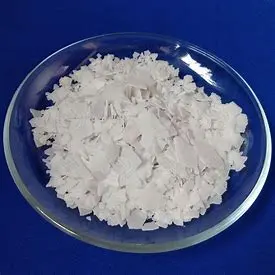
Potassium Hydroxide (95%) - China
Sodium Carbonate
Hydrogen Peroxide
These products have applications across water treatment, sanitation, industrial processing, food manufacturing, and other downstream sectors.
Supplier Diversification Implications
Large chemical acquisitions can alter the competitive dynamics of supply even when manufacturing capacity remains unchanged.
Procurement teams should monitor whether new ownership results in changes to:
Pricing
Will the new owner pursue different margin targets?
Capacity
Will existing production levels be maintained?
Investment
Will facilities receive additional capital?
Product Portfolio
Will lower-volume grades continue to be supported?
Customer Allocation
Will strategic customers receive preferential treatment?
These factors can have greater practical importance for buyers than the transaction headline itself.
Berkshire Expands the Potential Buyer Universe
The OxyChem acquisition also demonstrates that large chemical assets can attract diversified industrial capital.
Historically, major commodity chemical businesses have typically attracted:
Chemical competitors
Energy companies
Private-equity groups
Industrial conglomerates
Berkshire adds another category to that list.
A diversified long-term investor with substantial capital can potentially compete for large chemical assets without requiring the transaction to fit a traditional chemical-company portfolio.
What This Could Mean for Future Chemical Deals
If Berkshire successfully integrates OxyChem and generates attractive long-term returns, the transaction could influence how other diversified investors view commodity chemicals.
Other large industrial investors may become more comfortable evaluating:
Chlor-alkali platforms
Polymer producers
Industrial chemical businesses
Infrastructure-linked chemical assets
Mature manufacturing operations
That could broaden the pool of potential buyers for future chemical divestitures.
Ranking the Deal's Strategic Importance
From an industry-intelligence perspective, the OxyChem transaction ranks highly on several dimensions.
Transaction Scale
Very High
The $9.7 billion value makes it one of the largest commodity chemical acquisitions of the current cycle.
Buyer Significance
Very High
Berkshire's entry into large-scale chemical manufacturing makes the transaction unusual.
Asset Breadth
High
OxyChem provides exposure across multiple chemical value chains.
Supply-Chain Importance
High
The products involved support essential industrial and infrastructure markets.
M&A Significance
Very High
The deal provides a major benchmark for future commodity chemical valuations.
What Procurement Teams Should Watch Next
The most important question is not simply whether Berkshire owns OxyChem.
It is how the business evolves under its new ownership.
Procurement teams should monitor:
Plant utilization
Capacity expansions
Maintenance spending
Product availability
Regional pricing
Export activity
Customer allocation
New investment announcements
These indicators will reveal whether Berkshire's ownership creates meaningful changes in the competitive chemical supply landscape.
Looking Ahead
Berkshire Hathaway's $9.7 billion OxyChem acquisition stands out as one of the most important commodity chemical transactions of the current cycle.
Its significance comes from the combination of scale, asset intensity, essential chemical products, and an unconventional buyer.
The transaction demonstrates that established commodity chemical manufacturing assets continue to attract substantial capital when they provide durable industrial demand and strategically important infrastructure.
For chemical companies, investors, and procurement teams, the next question is whether OxyChem becomes an isolated Berkshire move or the beginning of a broader trend in which diversified long-term investors increasingly compete for major chemical assets.
If the latter occurs, the chemical M&A landscape could become considerably more competitive.
Key Takeaways
Berkshire Hathaway's $9.7 billion OxyChem acquisition ranks among the largest commodity chemical transactions of the current cycle.
The deal is notable because Berkshire is a non-traditional chemical-sector acquirer.
OxyChem provides exposure to several major chemical value chains.
Chlor-alkali products remain strategically important because they support a wide range of downstream industries.
PVC resin adds significant exposure to construction and infrastructure markets.
Existing chemical assets can be highly valuable because replacing large-scale production capacity requires substantial capital and time.
The transaction provides a useful benchmark for commodity chemical M&A valuations.
Berkshire's long-term ownership model differs from the typical private-equity approach to chemical assets.
The deal could broaden the pool of potential buyers for future large-scale chemical divestitures.
Food and beverage manufacturers can be indirectly affected through chemical inputs used in water treatment, sanitation, cleaning, and processing infrastructure.
Found this useful?