Ranking Berkshire's Industrial Products Growth: 27.3% Revenue Increase Driven by Acquisitions
Berkshire Hathaway's Industrial Products group recorded a 27.3% year-over-year revenue increase in Q2 2026, making it one of the conglomerate's most acquisition-driven growth stories of the year. The expansion was primarily supported by the addition of OxyChem, following Berkshire's major acquisition of Occidental Petroleum's chemical business.
For chemical industry analysts, investors, suppliers and procurement teams, the result provides an important benchmark for measuring how a large acquisition can immediately reshape segment growth, revenue composition and Berkshire's exposure to the industrial and chemical sectors.
A Major Revenue Increase Driven by Acquisition Activity
Berkshire's Industrial Products revenue rose 27.3% year over year during the second quarter of 2026.
The increase was not primarily the result of organic growth across the company's existing industrial businesses.
Instead, the addition of OxyChem significantly expanded the group's revenue base and changed the scale of Berkshire's industrial operations.
This distinction is important when ranking Berkshire's segment growth against other major industrial companies. A 27.3% increase driven largely by acquisitions reflects a very different growth profile from a similar increase generated through higher volumes, pricing or market-share gains.
OxyChem Changes Berkshire's Industrial Portfolio
OxyChem is one of North America's major chemical producers, with products serving industries ranging from water treatment and construction to packaging and manufacturing.
Its portfolio includes important chemical products such as:
Chlor-alkali products
Caustic soda
Chlorine
Vinyl chloride monomer
Polyvinyl chloride-related materials
Other industrial chemicals
Adding these operations gives Berkshire a significantly larger position in chemical manufacturing.
The acquisition also adds a business with direct exposure to essential industrial and infrastructure supply chains.
Why the 27.3% Figure Stands Out
The 27.3% revenue increase is notable because it illustrates the immediate reporting impact of a large acquisition.
Berkshire is a highly diversified conglomerate, meaning substantial growth within one business group does not necessarily translate into similar growth across the entire company.
However, within Industrial Products, OxyChem's addition provides a clear example of portfolio expansion driving reported growth.
For investors, the important question is how much of this new revenue can eventually translate into sustainable earnings and cash generation.
Acquisition Growth Versus Organic Growth
There is an important difference between acquisition-driven and organic revenue growth.
Organic growth generally comes from:
Higher sales volumes
Pricing increases
Market-share gains
New products
Expansion within existing operations
Acquisition-driven growth comes from adding an existing revenue-producing business.
Berkshire's Q2 Industrial Products result falls primarily into the second category.
This does not make the growth less valuable, but it means analysts should avoid treating the full 27.3% increase as evidence of equivalent underlying market growth.
The Chemical Business Adds Scale to Berkshire
The addition of OxyChem gives Berkshire greater exposure to several important industrial chemical markets.
Chemical demand is tied to sectors including:
Construction
Water infrastructure
Packaging
Automotive manufacturing
Consumer products
Industrial production
This diversification could provide Berkshire with additional opportunities to benefit from long-term industrial and infrastructure demand.
At the same time, it increases the company's exposure to chemical cycles, energy costs, environmental regulations and commodity-price volatility.
Chlor-Alkali Markets Will Be Important
OxyChem's chlor-alkali operations are particularly relevant to the acquisition's long-term performance.
Chlorine and caustic soda are essential inputs for numerous industrial processes.
Their markets are influenced by:
Construction activity
PVC demand
Industrial production
Water treatment
Supply-demand balances
Electricity costs
Global trade flows
The profitability of these products can fluctuate significantly depending on market conditions.
Berkshire's ability to generate value from the acquisition will therefore depend partly on how these chemical cycles develop.

Revenue Growth Is Only the First Measure
The 27.3% revenue increase provides an immediate benchmark, but revenue alone does not determine acquisition success.
Analysts will also need to track:
Operating earnings
EBITDA and margins
Cash generation
Capital expenditures
Integration performance
Return on invested capital
Chemical market conditions
A major acquisition can increase reported revenue quickly.
Generating attractive long-term returns is the more difficult test.
What the Acquisition Means for Chemical Suppliers
Berkshire's entry at a larger scale could also affect relationships across the chemical supply chain.
Suppliers may see changes in:
Procurement processes
Contract structures
Volume requirements
Capital investment priorities
Credit expectations
Long-term sourcing strategies
As OxyChem becomes integrated into Berkshire's broader portfolio, its financial backing and ownership structure may also influence future investment decisions.
Procurement Teams Should Watch Portfolio Changes
For chemical buyers, the acquisition could influence supplier dynamics.
Customers sourcing chlor-alkali and related industrial chemicals should monitor:
Production capacity
Plant investment
Regional supply availability
Contract terms
Pricing strategies
Logistics networks
Reliability of supply
A change in ownership does not necessarily change daily operations immediately, but long-term capital allocation can influence market positioning.
A Broader Shift Toward Industrial Assets
The OxyChem acquisition also demonstrates Berkshire's willingness to deploy capital into large-scale industrial assets.
For a conglomerate with substantial cash resources, acquisitions can provide an alternative to organic expansion.
The result is a portfolio that can change rapidly when Berkshire identifies a business it views as strategically attractive.
The 27.3% Industrial Products revenue increase provides one of the clearest quarterly examples of this strategy's immediate impact.
The Next Benchmark Will Be Profitability
The most important question now is whether the additional revenue will strengthen Berkshire's Industrial Products earnings.
Future results should reveal:
How OxyChem affects segment margins
Whether chemical-cycle conditions support profitability
Capital expenditure requirements
Cash-flow contribution
Longer-term returns on the acquisition
These indicators will provide a more complete assessment than revenue growth alone.
Looking Ahead
Berkshire Hathaway's 27.3% Q2 2026 Industrial Products revenue increase stands out as a clear example of how a major acquisition can rapidly reshape a conglomerate's segment performance.
The addition of OxyChem has expanded Berkshire's exposure to industrial chemicals and created a significantly larger revenue base within the group.
However, the figure should be viewed as acquisition-driven growth rather than purely organic expansion.
The next phase of analysis will focus on whether this additional scale can generate strong margins, sustainable cash flow and attractive long-term returns.
For the chemical industry, Berkshire's expanding presence also creates a new ownership dynamic around one of North America's major chemical businesses.
The key benchmark is no longer simply the 27.3% increase in revenue.
It is whether the OxyChem acquisition can turn that immediate growth into a lasting improvement in Berkshire's Industrial Products performance.
Key Takeaways
Berkshire's Industrial Products group reported 27.3% year-over-year revenue growth in Q2 2026.
The increase was driven primarily by the addition of OxyChem.
The result represents acquisition-driven growth rather than purely organic expansion.
OxyChem significantly expands Berkshire's exposure to industrial chemical manufacturing.
Chlor-alkali products, including chlorine and caustic soda, are important to the acquired portfolio.
The acquisition adds exposure to construction, water treatment, packaging and manufacturing markets.
Revenue growth alone will not determine the long-term success of the acquisition.
Future earnings, margins, cash flow and return on invested capital will be key benchmarks.
Suppliers and customers should monitor potential changes in procurement, investment and supply strategies.
Berkshire's growing industrial portfolio demonstrates how major acquisitions can rapidly reshape segment performance.
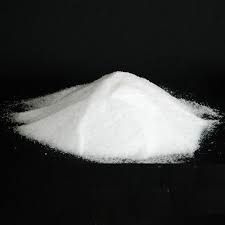
Polyvinyl Alcohol (24-88) - China
Found this useful?