This week's sector scorecard delivered a clear divide between winners and losers. Energy and Consumer Staples emerged as the strongest areas, while Technology and Semiconductors ranked among the weakest, creating a market environment where defensive demand and energy exposure outperformed growth-oriented sectors.
For chemical traders, procurement managers and industrial buyers, this rotation provides more than an equity market snapshot. Energy performance can influence feedstock expectations and production costs, Consumer Staples connects with relatively resilient demand for food, cleaning and personal care products and semiconductor weakness can signal changing expectations for advanced manufacturing. Reading these sectors together provides a useful framework for assessing where chemical demand may remain resilient and where procurement activity could face greater pressure.
Ranking the Week's Sector Winners
Energy stands at the top of this week's sector scorecard. Its relative strength matters directly to chemical markets because oil, natural gas and energy costs influence numerous manufacturing chains.
Consumer Staples also ranked among the week's winners. The sector's defensive characteristics can become particularly valuable when investors move away from more volatile growth industries.
For chemical market participants, the two winning sectors provide different signals.
Energy strength can indicate potential upward pressure on production economics. Staples strength, by contrast, can point toward resilience in end markets that consume chemicals through everyday products.
The week's winners can therefore be viewed through two separate procurement lenses:
Energy: A potential cost signal for petrochemical feedstocks, industrial production and logistics.
Consumer Staples: A potential demand resilience signal for food ingredients, detergents, personal care products and packaging materials.
Neither indicator guarantees immediate changes in physical chemical markets. Together, however, they show where relative market confidence remained strongest.
Energy Strength Puts Feedstock Costs in Focus
Energy's position among the clear winners deserves particular attention from procurement teams. The chemical industry maintains extensive links with energy markets through feedstocks, utilities and transportation.
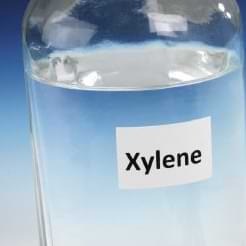
Petrochemical production depends heavily on hydrocarbon economics. Products such as xylene, styrene monomer and numerous polymer intermediates can respond to changes in upstream oil and refining conditions.
Energy also influences manufacturing costs outside direct petrochemical chains. Chemical facilities often require significant electricity, steam and process heat.
Transportation creates another connection. Higher energy costs can affect marine freight and road logistics, increasing the delivered cost of internationally traded chemicals.
For buyers, the most important question is whether Energy's market strength corresponds with sustained increases in physical commodity prices.
If energy prices remain elevated, chemical producers may eventually seek to pass higher costs downstream. If the move reflects primarily financial positioning, the impact on chemical quotations may remain limited.
Procurement teams should therefore compare sector performance with actual crude, natural gas and feedstock markets before adjusting purchasing strategies.
Consumer Staples Provides a Defensive Demand Signal
Consumer Staples occupies a different position in the chemical demand landscape. The sector includes products that consumers continue purchasing even when economic confidence weakens.
Food, beverages, household cleaning products and personal care goods all depend on extensive chemical and ingredient supply chains.
This creates demand for products ranging from surfactants and preservatives to food additives and packaging materials.
Staples strength can therefore provide a positive signal for suppliers serving these industries. Demand may remain more stable than in sectors tied heavily to discretionary spending or capital investment.
However, stable end-user demand does not eliminate procurement pressure.
Consumer goods manufacturers still face raw material costs, freight expenses and competitive pricing. They may push suppliers for greater efficiency even when sales volumes remain resilient.
For chemical traders, Staples strength should therefore be interpreted as a demand stability indicator rather than a guarantee of stronger margins.
Technology and Semiconductors Rank Among the Clear Losers
At the opposite end of the weekly scorecard, Technology and Semiconductors emerged as clear losers. Their weakness creates a contrasting signal for suppliers exposed to electronics and advanced manufacturing.
Semiconductor production depends on highly specialised materials and chemicals. Manufacturing processes can require high-purity cleaning chemicals, solvents, gases and advanced processing materials.
A decline in semiconductor equities does not automatically mean that physical production has fallen. Financial markets can adjust expectations much faster than manufacturers change operating schedules.
Still, sustained sector weakness deserves monitoring.
If weaker sentiment eventually corresponds with lower electronics demand, rising chip inventories or reduced fabrication activity, upstream chemical suppliers could experience softer purchasing volumes.
The semiconductor signal therefore belongs in a broader monitoring framework that includes fab utilisation, inventory levels and capital expenditure.
Why the Winner-Loser Divide Matters to Chemical Demand
The week's sector ranking highlights an important characteristic of chemical markets: demand rarely moves in one direction across every end industry.
A chemical producer supplying detergent manufacturers can face a very different commercial environment from a supplier serving semiconductor fabrication plants.
This creates a fragmented demand picture.
Consumer Staples can support recurring requirements for surfactants, preservatives and packaging materials. Energy activity can drive demand for industrial chemicals used in production, processing and maintenance.
Technology weakness may create more caution around chemicals linked closely to electronics manufacturing.
For diversified chemical distributors, this split environment can provide some protection. Weakness in one customer segment may coincide with resilience elsewhere.
Specialised suppliers face a different situation. Companies with heavy exposure to a single end market may experience greater volatility when that sector moves sharply.
Procurement and sales teams should therefore map chemical demand according to end-use exposure rather than relying exclusively on broad economic indicators.
How Sector Rotation Can Influence Chemical Pricing
Sector performance does not translate directly into chemical prices, but it can provide clues about emerging cost and demand pressures.
Energy represents the clearest potential transmission channel.
If stronger Energy performance accompanies rising oil and gas prices, producers may face higher feedstock and utility expenses. These increases can eventually appear in supplier quotations.
Consumer Staples creates a different pricing dynamic. Stable demand can support chemical purchasing volumes, but large consumer goods companies often possess significant procurement leverage.
Technology and semiconductor weakness may reduce pricing power for suppliers if physical demand eventually slows.
The result can be a highly uneven chemical pricing environment.
Petrochemical-linked products may experience cost pressure while specialised electronics materials face weaker demand. Chemicals serving defensive consumer markets may maintain relatively stable volumes.
Buyers should therefore avoid applying one inflation or deflation assumption across an entire procurement portfolio.
What the Semiconductor Weakness Could Mean for Specialty Chemicals
Semiconductor manufacturing represents a relatively specialised part of chemical demand, but its importance extends beyond absolute volume.
Chip fabrication requires exceptional purity and process consistency. This creates high technical barriers for suppliers serving advanced manufacturing customers.
If semiconductor production slows, qualified chemical suppliers may experience lower volume requirements. However, pricing may prove more resilient because manufacturers cannot easily substitute critical materials.
The timing of any slowdown also matters.
Semiconductor manufacturers can continue operating based on existing production plans even after financial markets become more pessimistic. Chemical demand may therefore lag changes in equity performance.
Procurement teams serving the sector should watch customer forecasts and fab utilisation more closely than daily stock movements.
Capital expenditure provides another important indicator. Delayed or cancelled fabrication projects could affect future demand for process chemicals and supporting materials.
The current sector weakness should therefore be treated as an early warning signal rather than confirmation of a physical chemical demand contraction.
What Staples Resilience Means for Everyday Chemical Demand
Consumer Staples can provide a stabilising influence within a diversified chemical portfolio.
Household detergents require surfactants such as sodium lauryl ether sulfate and related ingredients. Personal care products consume fatty alcohols, glycerine and functional additives.
Food manufacturers rely on preservatives, acidity regulators, sweeteners and other approved ingredients.
Packaging adds another layer of chemical demand through plastics, coatings and adhesives.
Because consumers continue purchasing essential goods through different economic conditions, these chemical chains can experience relatively stable underlying demand.
However, manufacturers may still adjust inventories when economic uncertainty increases.
Chemical suppliers should therefore distinguish between end-consumer demand and procurement timing. Stable retail consumption does not prevent customers from reducing excess stocks or negotiating more aggressively with suppliers.
The Staples signal remains positive, but inventory discipline continues to matter.
How Traders Should Position in a Split Sector Market
A market where Energy and Staples outperform while Technology and Semiconductors weaken requires selective positioning.
Chemical traders should first identify which sectors drive demand for each major product in their portfolio.
Products serving multiple industries may offer greater flexibility. A solvent used across coatings, pharmaceuticals and industrial processing can have a different risk profile from a specialised material tied almost exclusively to electronics.
Inventory decisions should reflect this distinction.
Traders may consider maintaining stronger availability for chemicals linked to resilient end markets while avoiding excessive inventory accumulation in categories where downstream demand signals are deteriorating.
Supplier diversification remains equally important. Energy-related volatility can affect production costs differently across regions, creating opportunities to compare alternative origins.
Customer diversification also deserves attention. A broad customer base can reduce dependence on any single sector experiencing a sharp downturn.
The week's sector scorecard reinforces the value of understanding both sides of the supply chain: where chemicals come from and which industries ultimately consume them.
What Procurement Teams Should Take From This Week's Scorecard
This week's winners and losers reveal a market defined by divergence rather than uniform direction. Energy and Consumer Staples stand among the clear winners, while Technology and Semiconductors occupy the losing side of the scorecard.
For chemical procurement teams, Energy provides the strongest potential cost signal. Sustained strength in physical energy markets could eventually influence petrochemical feedstocks, manufacturing expenses and transportation.
Consumer Staples offers a more defensive demand signal. Chemicals serving food, household cleaning, personal care and packaging may benefit from relatively stable consumption patterns.
Technology and semiconductor weakness requires a different response. Procurement teams should monitor whether financial market pressure develops into lower production, weaker capital expenditure or reduced demand for specialised manufacturing chemicals.
The key lesson is segmentation. A strong Energy sector does not mean every chemical price will rise, just as weak semiconductor equities do not guarantee an immediate collapse in electronics-related chemical demand.
Chemical traders and buyers who map their portfolios by feedstock exposure and downstream industry will be better positioned to interpret these contrasting signals. In a divided market, product-specific intelligence and flexible sourcing strategies become more valuable than broad assumptions about overall industrial demand.
Ready to source xylene from verified global suppliers? Explore competitive offers on our platform today.