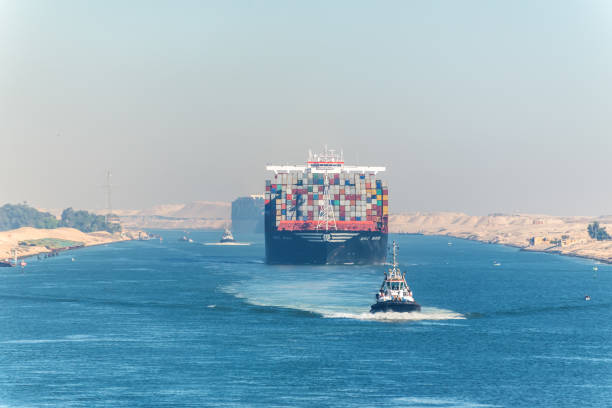
The Red Sea has long been a critical artery for international trade, linking the Mediterranean to the Indian Ocean via the Suez Canal. Recent escalations by the Houthi movement in Yemen have reignited concerns that the corridor could be shut down, jeopardizing the flow of goods across the globe.
Current Threat Landscape
In the last month, the Houthis have increased missile and drone activity aimed at commercial vessels in the Bab el-Mandeb strait and the Gulf of Aden. Intelligence reports suggest that a coordinated attack on a cluster of container ships could trigger a temporary closure of the entire Red Sea shipping lane.
Key Drivers of the Threat
Political pressure against perceived support for Israel and Western powers.
Strategic desire to disrupt global supply chains and leverage diplomatic concessions.
Recent improvements in Houthi missile technology.
Impact on Shipping and Freight Costs
A closure would force vessels to reroute around the Cape of Good Hope, adding approximately 3,000 nautical miles to voyages between Europe and Asia. This detour would increase fuel consumption, crew costs, and shipping time.
Freight Rate Projections
Short‑term surge: freight rates could climb 20‑30% in the first quarter.
Long‑term adjustment: carriers may permanently shift some routes, keeping rates elevated.
Insurance premiums for vessels passing near Yemen are also expected to rise, further inflating the overall cost of maritime transport.
Chemical Logistics and Fertilizer Shipping
Many bulk carriers transport chemicals and fertilizers that are vital to agriculture in Europe and the Middle East. A temporary shutdown would delay these deliveries, potentially causing shortages and price spikes.
Sector‑Specific Risks
Phosphates and nitrogen fertilizers could face supply gaps of up to 12 weeks.
Chemical plants at risk of downtime due to lack of raw materials.
Food security concerns in regions reliant on imports.
Fertilizer exporters may need to secure alternative supply chains, such as rail or inland waterways, to meet contractual obligations.
Suez Canal Alternatives and Route Diversions
Shipping companies are exploring several alternatives to mitigate the risk of a Red Sea blockade:
Red Sea‑Mediterranean corridor via the Suez Canal, if kept open.
Trans‑Atlantic detour around the Cape of Good Hope.
Utilization of the Northern Sea Route for certain cargoes, weather permitting.
While these routes provide redundancy, they also increase transit times femme and expose vessels to different geopolitical risks.
Mitigation Strategies for Supply Chain Risk
Companies can adopt a multi‑layered approach to reduce exposure:
Contractual flexibility: include force majeure clauses that account for maritime disruptions.
Diversification of shipping partners and routes to avoid single‑point failure.
Strategic stockpiling of critical chemicals and fertilizers at key ports.
Investment in real‑time tracking and predictive analytics to anticipate delays.
Governments can also support resilience by enhancing maritime security cooperation and investing in alternative maritime corridors.