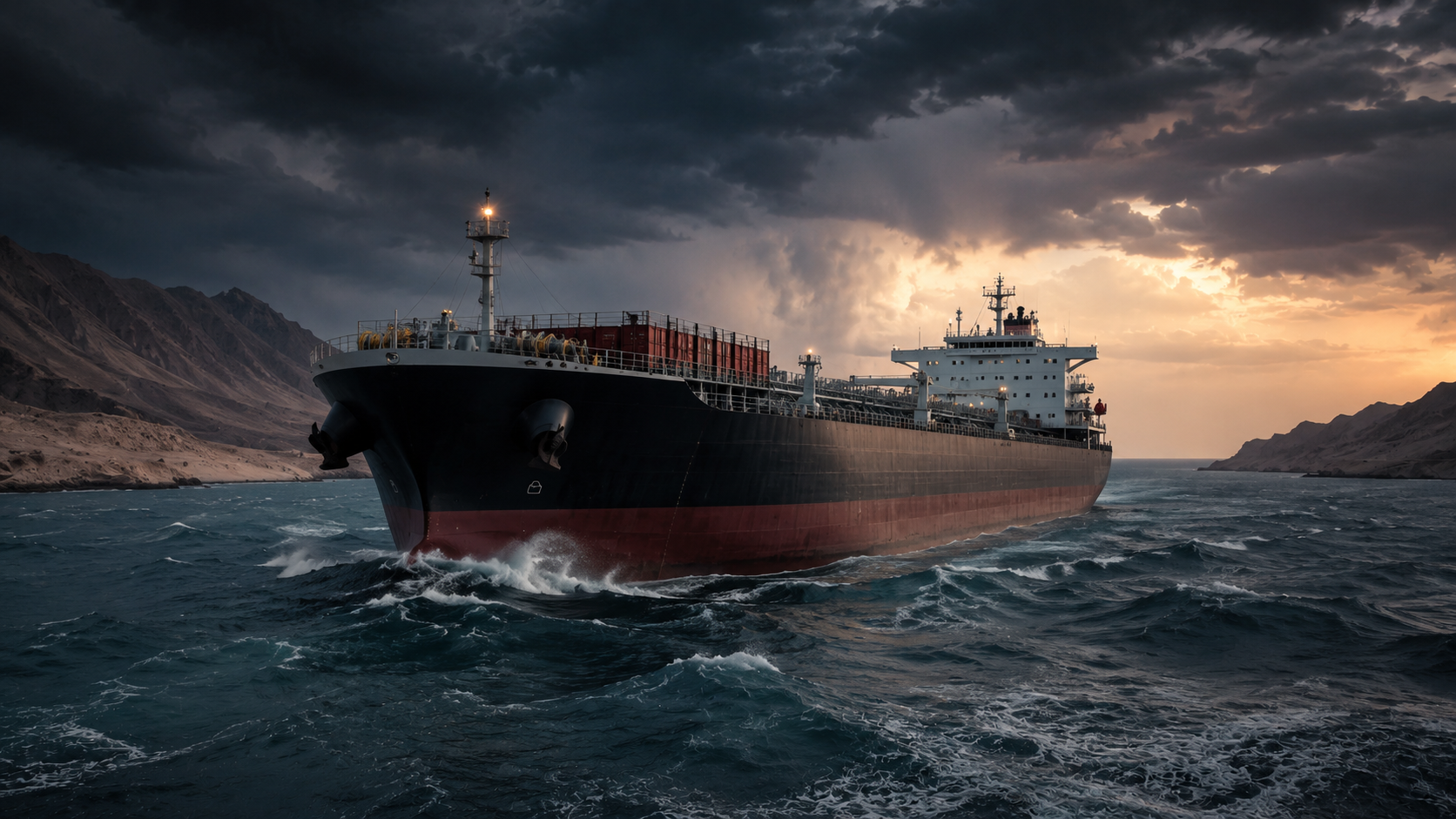
Tehran has reportedly asked Yemen's Houthi movement to prepare to close the Red Sea oil route if US strikes hit Iranian power infrastructure. The signal immediately raises fresh concerns for chemical traders and procurement teams because the route connects major energy and industrial supply chains between the Middle East, Europe and Asia.
For the chemical industry, Red Sea shipping risk can quickly translate into higher freight costs, longer delivery schedules and greater uncertainty around imported raw materials. Even when a route remains technically open, the possibility of disruption can change vessel routing decisions, insurance costs and supplier commitments.
The latest development puts the Red Sea back on the watchlist for buyers sourcing products such as solvents, acids, fertilizers, polymers and industrial chemicals. Procurement teams now face a familiar challenge: securing supply before a geopolitical risk becomes a physical logistics problem.
Why the Red Sea Matters to Global Chemical Trade
The Red Sea provides a strategically important maritime connection between the Indian Ocean and the Mediterranean. Chemical cargoes moving between Asian manufacturing hubs, Middle Eastern producers and European buyers can depend on this corridor to keep transit times and freight economics under control.
A potential closure would not affect only crude oil shipments. It could also disrupt the movement of chemical feedstocks, finished products, intermediates and industrial materials that rely on vessels moving through the region.
For chemical buyers, the main concern is not simply whether a vessel can sail through the route. The larger question involves how quickly shipping companies, insurers, suppliers and ports react to a rising security threat.
How a Route Closure Could Affect Chemical Prices
A serious disruption would create several pressure points across the chemical supply chain. The impact would vary by product, origin, destination and available alternative routes.
Key effects could include:
Higher freight costs: Vessels may need to take longer routes, increasing fuel consumption, voyage duration and operating expenses.
Longer lead times: Cargoes could take significantly longer to reach European and Mediterranean buyers if ships divert around southern Africa.
Higher insurance exposure: Increased security concerns can raise the cost of transporting hazardous or high-value chemical cargoes.
Tighter availability: Buyers may increase safety stock at the same time, creating additional demand and reducing spot-market availability.
Greater price volatility: Traders may adjust offers quickly as freight, replacement costs and supply expectations change.
The chemical market often reacts before a disruption becomes fully visible in physical supply data. If buyers expect delays, they may begin purchasing earlier, while sellers may revise offers to account for rising logistics costs.
The Supply Chains Most Exposed to Red Sea Disruption
The exposure is not equal across all chemical products. Buyers sourcing cargoes from Asia or the Middle East for delivery into Europe and nearby markets may face the greatest logistical sensitivity.
Several product categories deserve particular attention:
Fertilizers and agricultural chemicals: Products such as urea, ammonium sulfate, phosphate fertilizers and potassium-based materials can face higher delivered costs when vessel routes lengthen.
Basic industrial chemicals: Acids, alkalis and inorganic chemicals often move in large volumes, making freight economics a major part of the landed price.
Solvents and chemical intermediates: Longer transit times can affect inventory planning for manufacturers that operate on scheduled replenishment cycles.
Polymers and plastics: Producers and converters may face delays in resin deliveries if cargoes require route changes.
Specialty chemicals: Smaller-volume products can experience disproportionate cost increases when freight and insurance charges rise.
The risk becomes especially important for buyers operating with limited inventory. A shipment delay of several weeks can affect production schedules, customer commitments and the ability to secure replacement material at a reasonable price.
What Buyers Should Watch in the Coming Weeks
The next stage of the situation will depend heavily on whether the threat remains a warning or develops into an actual maritime disruption. Procurement teams should monitor several signals rather than focusing on a single headline.
Important indicators include:
Vessel routing decisions: Changes in carrier routes can reveal how seriously shipping companies view the security situation.
Freight market movements: Rapid increases in freight offers may signal growing expectations of longer voyages or tighter vessel availability.
Supplier lead times: Producers and traders may extend delivery estimates before any formal route closure occurs.
Insurance conditions: Changes in war-risk or security-related premiums can affect the delivered cost of chemical cargoes.
Port congestion: Alternative routes and sudden cargo diversions can place pressure on receiving ports.
These indicators can help procurement teams identify developing supply pressure before it reaches their production floor.
Why Chemical Procurement Teams Need More Than a Single Supplier
Geopolitical risk exposes weaknesses in procurement strategies that rely too heavily on one country, one supplier or one shipping corridor. A buyer may have a competitive price on paper but still face serious exposure if the cargo depends on a vulnerable route.
A stronger sourcing strategy can include:
Multiple supplier origins: Buyers can reduce dependence on one geographic production base.
Alternative shipping routes: Understanding possible route changes helps companies estimate the financial impact of delays.
Flexible delivery terms: Different Incoterms can shift responsibility for freight, insurance and logistics risk.
Safety stock for critical materials: Strategic inventory can protect production during temporary disruptions.
Supplier communication: Early updates from producers and traders can provide valuable visibility before market conditions change.
For products with long production cycles or limited replacement options, procurement teams should assess supply continuity before the market experiences a rush for available cargoes.
The Red Sea Risk Could Reshape Delivered Chemical Costs
Chemical pricing does not depend only on the factory-gate price. Freight, insurance, port charges, financing costs and delivery schedules all contribute to the final landed cost paid by an industrial buyer.
A route disruption could therefore create a situation where the underlying chemical price remains relatively stable while the delivered price rises sharply. This distinction matters for procurement managers comparing offers from different regions.
For example, a supplier offering a lower product price may no longer provide the best commercial option if the cargo requires a longer route with higher freight and extended transit time. Buyers need to compare the total delivered cost, not simply the quoted price per metric ton.
This environment can also create opportunities for suppliers located closer to end markets. Producers with access to alternative routes may gain a competitive advantage if buyers prioritize delivery certainty over the lowest initial offer.
How Traders Can Prepare for a More Volatile Market
Chemical traders will need to manage both physical inventory and market expectations. A sudden change in shipping conditions can make previously agreed commercial assumptions less attractive for either buyers or sellers.
Traders can strengthen their position by:
Tracking freight movements alongside chemical prices.
Maintaining relationships with suppliers from different production regions.
Reviewing delivery schedules for cargoes already in transit.
Communicating potential delays early instead of waiting for confirmed disruption.
Identifying products where regional stock can replace long-distance imports.
Speed of information can become a commercial advantage. Buyers who understand a developing logistics problem early may secure material before the wider market begins competing for alternative supply.
At the same time, traders must balance the value of holding inventory against the risk of overbuying during a period of uncertainty. The right approach will depend on product shelf life, storage costs, demand stability and the availability of substitute suppliers.
Potential Effects on Fertilizers, Acids and Industrial Feedstocks
The Red Sea route carries particular significance for the global fertilizer and chemical trade because major producing regions supply markets located far from their manufacturing bases.
Fertilizer buyers may watch products such as urea, ammonium sulfate and phosphate materials closely. Delayed shipments can create pressure during periods when agricultural buyers need reliable deliveries before seasonal application windows.
Industrial chemical buyers may face similar challenges with materials such as sulfuric acid, caustic soda, phosphoric acid and other bulk chemicals. These products often support manufacturing, water treatment, mining and agricultural operations, so delivery delays can affect multiple downstream sectors.
Feedstocks also deserve attention. A disruption that increases transport costs for energy-linked chemicals can gradually influence the economics of downstream products across plastics, coatings, solvents and other manufacturing chains.
A Possible Test for Global Supply Chain Resilience
The renewed Red Sea threat arrives at a time when many companies are already rethinking global sourcing models. The industry has moved away from treating logistics as a background function and toward recognizing transportation security as a direct commercial risk.
For chemical companies, resilience does not mean eliminating every possible disruption. It means building enough flexibility to respond when a key route becomes more expensive, slower or temporarily unavailable.
That flexibility can come from supplier diversification, regional inventory, stronger market intelligence and faster procurement decisions. Companies that combine these tools can respond more effectively than buyers relying only on long-term assumptions about normal shipping conditions.
What Buyers Should Do Now
Chemical buyers should avoid waiting for a confirmed closure before reviewing their supply exposure. The most practical first step involves identifying which current and planned purchases depend on Red Sea transit.
Procurement teams should then evaluate:
Which suppliers use the route directly or indirectly.
How many weeks of inventory remain for critical chemicals.
Whether alternative suppliers can offer comparable specifications.
How much a longer shipping route could add to the landed cost.
Which materials require early purchasing because replacement supply is limited.
Buyers should also keep their sourcing options open. A supplier that can provide reliable cargo from an alternative origin may become more valuable than one offering the lowest price under normal logistics conditions.
The potential closure of the Red Sea oil route would create another major test for global chemical supply chains. For traders, importers and industrial procurement managers, the immediate priority is to track shipping exposure, secure alternative supply options and make purchasing decisions based on total delivered cost rather than product price alone. Ready to source Red Sea chemicals from verified global suppliers? Explore competitive offers on our platform today.