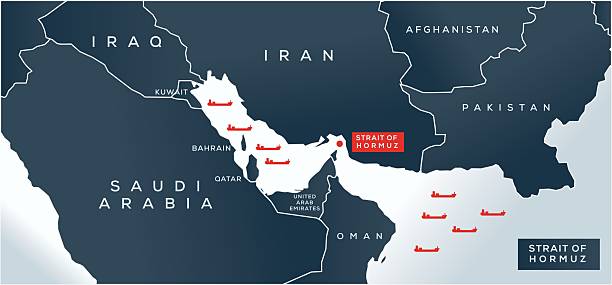
The Strait of Hormuz has匿名 been a pivotal maritime chokepoint, enabling the transit of roughly a quarter of the world’s petroleum and a significant share of container traffic. With a hypothetical 20% cargo fee reinstated, the economic landscape for shipping companies, freight forwarders, and global manufacturers would shift dramatically. This article examines how that surcharge could affect shipping costs, freight rates, chemical logistics, fertilizer transport, and broader procurement strategies.
Understanding the 20% Cargo Fee
What the Fee Means
The fee would be levied on each ton of cargo passing through the Hormuz Strait Jetty. For a standard 40‑foot container (≈24 tons of cargo), the surcharge would amount to roughly 4.8 tons of additional cost. For bulk tankers carrying 200,000 metric tons of crude oil, the fee would translate to a 40,000‑ton surcharge.
A 20% fee on freight charges would push average FCL rates from about US$1.50/TEU to US$1.80/TEU, raising annual container volumes over the strait by roughly US$10‑15 billion.
Bulk & Tanker Shipping: Bulk carriers would face added costs equivalent to 2–3 % of their operating expenses, while tankers could see a 4–5 % increase in voyage costs.
Chemical Logistics: Hazardous cargoes, such as fertilizers, would see higher liabilities and insurance premiums, potentially pushing freight charges up by 10‑15%.
Ripple Effects on Freight Rates
Container Shipping
High‑volume lanes such as Shanghai‑Singapore, Rotterdam‑Dubai, and Los Angeles‑Dubai would experience immediate rate hikes. Shippers would likely negotiate higher spot rates or lock in forward kamup agreements to hedge against the surcharges. Congestion on alternative routes—like the Suez Canal—could push LCL rates by 5–8% as vessels re‑route to avoid the Hormuz fee.
Tankers and Bulk Carriers
Bulk carriers transporting iron ore and grain would likely shift to the Cape of Good Hope, adding 2–3 days to transit times. Chemical tankers—especially those carrying fertilizers and petrochemicals—would face steeper insurance costs, prompting some operators to shift to safer, longer routes or to invest in alternative transport modes such as rail or pipeline where feasible.
Supply Chain and Procurement Risks
Strategic Alternatives
Companies will need to reassess their sourcing geometry:
Redundancy in Ports: Expanding hinterland connectivity to ports outside the Hormuz corridor, such as the Port of Jeddah or the Port of Karachi.
Inventory Buffers: Building larger safety stocks in key markets to mitigate the risk of delayed deliveries.
Hedging Instruments: Utilizing freight forward contracts, insurance, and price‑floor mechanisms to cap exposure.
Long‑term Market Adjustments
A sustained 20% surcharge would likely spur maritime investment in alternative chokepoints, such as the expanded Suez Canal or the Panama Canal’s new lane. Shipping lines may also accelerate the adoption of autonomous vessels to reduce crew costs and improve route flexibility.
The reinstatement of a 20% cargo fee on Hormuz transits signals a paradigm shift in global maritime trade. ItSAP would not only elevate freight rates across the board but also compel shippers to rethink route planning, inventory strategies, and risk mitigation. Stakeholders—shipping companies, freight forwarders, and procurement managers—must collaborate to develop resilient supply chains capable of weathering this new cost structure. Without proactive adaptation, the increased costs could ripple through consumer prices, commodity markets, and ultimately, global economic stability.