Rompetrol’s 9.4 MW Petromidia Solar Plant Advances Refinery Decarbonization
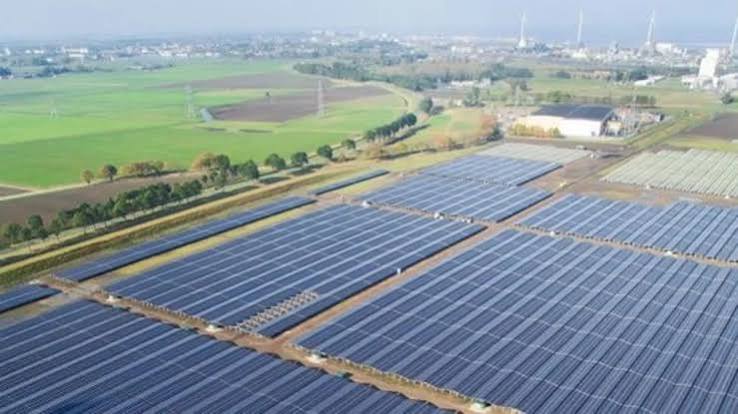
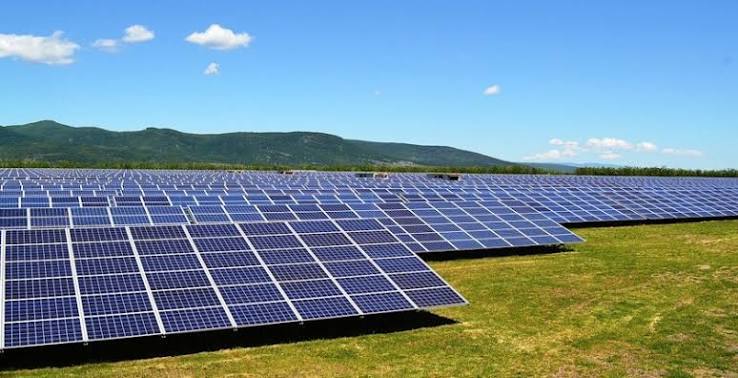
Rompetrol’s planned 9.4 MW solar plant at the Petromidia refinery marks another step in the energy transition of Romania’s industrial sector. The project aims to generate more than 9,800 MWh of renewable electricity annually, reduce carbon emissions by approximately 6,024 tonnes a year and supply all generated power directly to refinery operations.
The investment totals around 44 million Romanian lei, including approximately 14 million lei in non-refundable funding from the EU Modernisation Fund. Rompetrol Rafinare plans to complete the project by 31 December 2028, strengthening its strategy to improve energy efficiency and reduce the environmental footprint of one of the region’s major refining facilities.
+1
For chemical manufacturers, energy-intensive processors and procurement teams, the project illustrates an important shift in industrial energy management. Companies increasingly view renewable electricity as a way to manage operating costs, improve emissions performance and strengthen long-term energy planning.
Why Rompetrol Is Investing in Solar Power at Petromidia
Refineries consume substantial amounts of electricity to operate pumps, compressors, control systems, cooling equipment and other essential infrastructure. Their energy requirements also connect closely with the production of fuels and the wider petrochemical supply chain.
Rompetrol’s solar project will add renewable electricity generation directly to the Petromidia industrial site. Rather than exporting the electricity to the public grid, the refinery intends to use the entire output for its own operations.
This approach, known as self-consumption, connects renewable generation with an existing industrial demand. It allows the operator to use electricity where it is needed instead of depending entirely on purchases from external suppliers.
The project also supports broader efforts to reduce the carbon intensity of industrial production. Although solar power will not eliminate the refinery’s dependence on conventional energy sources, it can replace part of the electricity that would otherwise come from the grid.
For procurement managers, the development highlights how energy sourcing decisions increasingly form part of a company’s wider operating strategy. Electricity availability, price exposure and emissions performance can all influence the competitiveness of energy-intensive production.
Project Capacity, Investment and Completion Timeline
The Petromidia photovoltaic plant will have an installed capacity of 9.4 MW. Rompetrol expects annual generation to exceed 9,800 MWh, with the full volume reserved for internal consumption.
The project carries a total investment of approximately 44 million lei. Its financing structure combines company funding with support from the Modernisation Fund, which helps finance energy transition investments.
Key project details include:
Installed capacity: 9.4 MW of solar power generation.
Expected annual output: More than 9,800 MWh of renewable electricity.
Estimated annual emissions reduction: Approximately 6,024 tonnes of CO₂.
Total investment: Around 44 million lei.
Modernisation Fund support: Approximately 14 million lei.
Planned completion: 31 December 2028.
The funding arrangement reduces the amount that Rompetrol must finance directly while supporting the deployment of renewable energy infrastructure. The project also demonstrates how public funding can encourage industrial companies to invest in lower-carbon electricity generation.
The planned completion date gives the company a defined implementation horizon. Procurement, engineering, equipment delivery, installation and commissioning must progress within the project schedule to bring the facility into operation by the deadline.
What the Solar Plant Means for Industrial Energy Costs
Electricity represents an important operating expense for many industrial facilities. Refineries, chemical plants and materials processors rely on continuous power to maintain production, manage process conditions and operate supporting systems.
By generating electricity on-site, Rompetrol can meet part of its energy demand through a source that does not require purchasing fuel during generation. Solar output varies with daylight and weather, so the plant will complement rather than automatically replace other sources of electricity.
The potential commercial benefits extend beyond the electricity generated.
Reduced exposure to electricity prices: On-site solar generation can reduce the volume of electricity a facility needs to purchase from external suppliers.
Greater energy diversification: Combining solar power with existing generation and grid connections gives operators additional options for meeting demand.
Improved emissions performance: Renewable electricity can lower emissions associated with purchased power, depending on the electricity sources it displaces.
Long-term operating visibility: Once installed, a solar facility provides a generation asset that companies can incorporate into longer-term energy budgets.
The actual financial benefit will depend on factors such as installation costs, maintenance requirements, solar output and the price of alternative electricity. Companies must also account for how well generation patterns align with their operating schedules.
For chemical buyers, the relationship between energy costs and product pricing deserves particular attention. Energy-intensive production can pass changes in electricity and fuel expenses through to the prices of chemicals, polymers and industrial materials.
How Renewable Electricity Supports Refinery Decarbonization
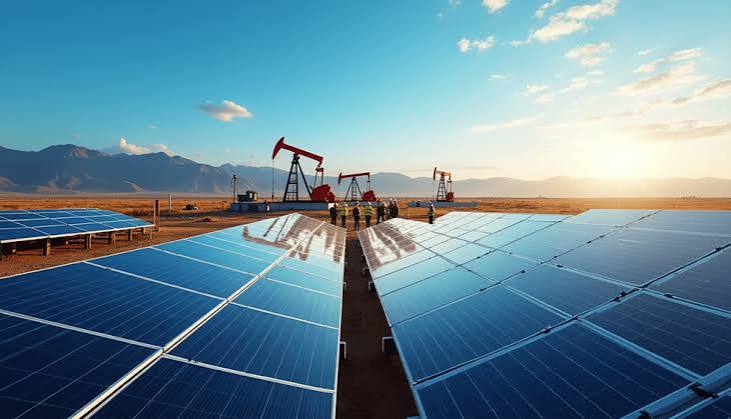
Rompetrol estimates that the solar installation will reduce greenhouse gas emissions by approximately 6,024 tonnes of CO₂ annually. This target makes emissions reduction a central performance measure for the project alongside electricity generation.
Solar panels generate electricity without burning fossil fuels during operation. When their output displaces electricity associated with higher emissions, the facility can lower its indirect electricity-related carbon footprint.
The scale of the reduction depends on the emissions intensity of the electricity that solar power replaces. Actual performance also depends on annual generation, operating conditions and the refinery’s electricity consumption.
Decarbonization remains a complex challenge for refining because emissions arise from several sources. Facilities use energy to separate and process hydrocarbons, provide heat, operate utilities and maintain continuous production.
Renewable electricity addresses only part of this challenge. Industrial operators may also need to improve process efficiency, optimize heat integration, reduce fuel consumption and evaluate additional low-carbon technologies.
Rompetrol’s investment therefore fits into a broader industrial transition rather than representing a complete solution on its own. Combining renewable electricity with operational improvements can help facilities make progress toward emissions targets while maintaining production reliability.
For chemical suppliers, these developments may influence customer expectations. Buyers increasingly evaluate not only the purchase price of a material but also the energy efficiency and emissions profile of the supply chain behind it.
Petromidia’s Solar Project and Romania’s Industrial Energy Transition
Romania’s industrial sector faces the challenge of maintaining competitive production while adapting to European energy and climate objectives. Investments in renewable electricity can help industrial operators diversify their energy sources and reduce some emissions associated with their operations.
The Modernisation Fund provides financial support for eligible investments in areas including renewable energy and energy storage. At Petromidia, this support helps finance a photovoltaic facility dedicated to the refinery’s own electricity consumption.
+1
Industrial self-consumption projects differ from large solar farms designed primarily to sell electricity into the grid. Their value depends heavily on the energy needs of the facility they serve and the degree to which generated electricity can be used on-site.
For refineries, this relationship is especially important because electricity demand can remain substantial throughout the day. Solar generation can contribute to that demand, although production fluctuations and periods without sunlight require the operator to maintain suitable alternative power arrangements.
The Petromidia investment also reflects a wider trend toward integrating renewable energy into established industrial sites. Companies can pursue decarbonization while continuing to use existing infrastructure, rather than relying exclusively on entirely new industrial facilities.
For regional chemical producers and distributors, the transition may gradually reshape expectations around energy sourcing, sustainability reporting and supplier performance. These considerations can become increasingly relevant in commercial negotiations with manufacturers serving international markets.
How Renewable Energy Investments Affect Chemical Supply Chains
The connection between a refinery’s solar plant and the chemical trading market may appear indirect, but energy costs influence many stages of industrial production. Refining and petrochemical operations depend on reliable electricity, while numerous downstream chemical processes also require substantial energy inputs.
A change in the energy mix at a major industrial facility can affect operating expenses and emissions intensity. However, the extent of any effect on chemical prices depends on the specific product, production process, market conditions and the share of energy costs in total manufacturing expenses.
Procurement teams should avoid assuming that renewable electricity automatically leads to lower prices. Instead, buyers can examine how suppliers manage energy exposure and whether those practices contribute to more predictable operations.
Several factors deserve attention when evaluating chemical suppliers:
Energy sourcing: Ask whether the manufacturer uses grid electricity, on-site generation or a combination of energy sources.
Operational resilience: Understand how the supplier manages interruptions, fluctuating energy demand and other production risks.
Sustainability information: Request relevant emissions data and information about the methods used to calculate product-related environmental impacts.
Commercial competitiveness: Compare total delivered cost, product quality, availability and logistics rather than assuming that a lower-carbon production method guarantees a lower purchase price.
For importers and distributors, reliable information can support better supplier comparisons. It can also help procurement teams respond to customers who request evidence of sustainability performance throughout the supply chain.
The Petromidia project does not establish a direct change in chemical prices, but it illustrates why energy strategy is becoming an increasingly relevant part of industrial supplier evaluation.
The Practical Challenges of Integrating Solar Power Into Refineries
Installing photovoltaic capacity within an operating refinery requires coordination between energy infrastructure and existing industrial processes. The operator must consider site conditions, electrical connections, safety requirements and the timing of construction activities.
Industrial facilities also need to manage the variable nature of solar generation. Output changes with sunlight, weather and seasonal conditions, so operators must coordinate renewable power with other available electricity sources.
Several implementation priorities can influence project performance:
Electrical integration: The solar installation must connect safely with the refinery’s power infrastructure and meet applicable technical requirements.
Construction coordination: Installation activities must account for the operational and safety constraints of an active industrial site.
Equipment reliability: Panels, inverters and supporting electrical equipment require suitable maintenance to sustain generation.
Performance monitoring: Operators need to track electricity output, equipment availability and emissions reductions against project targets.
Long-term planning: Companies should assess how renewable generation fits with future electricity demand and other energy investments.
The project’s scheduled completion in December 2028 provides a clear deadline for implementation. Effective procurement and project management will help coordinate equipment sourcing, construction activities and commissioning.
For industrial buyers, these challenges offer a useful reminder that energy transition investments require more than selecting renewable technology. Successful projects depend on reliable equipment, appropriate technical design and careful integration with day-to-day operations.
What Procurement Teams Should Watch Through 2028
Rompetrol’s Petromidia solar plant presents a defined investment with measurable targets for capacity, annual electricity generation and emissions reduction. Its progress through 2028 will provide useful indicators of how the company integrates renewable power into refinery operations.
Procurement teams can follow several developments as the project advances.
First, monitor construction and commissioning milestones. These will help establish when the facility begins contributing electricity to the refinery and whether the project meets its planned schedule.
Second, review operational performance after commissioning. Annual electricity output and the volume of emissions avoided will show how closely actual results match the project’s targets.
Third, assess how the investment fits into Rompetrol’s broader energy strategy. The refinery already has other energy infrastructure, including a cogeneration facility that entered commercial operation at the end of 2025. The solar installation adds another component to the site’s energy mix.
Stiri/News
+1
Finally, chemical buyers should continue evaluating energy exposure across their own supplier networks. Understanding production costs, energy resilience and emissions performance can support stronger sourcing decisions even when an individual renewable energy project has no immediate effect on chemical prices.
What the Petromidia Solar Investment Signals for Industrial Buyers
The planned 9.4 MW photovoltaic plant demonstrates how an established refinery can incorporate renewable electricity into an energy-intensive operating environment. With an investment of approximately 44 million lei, expected annual generation above 9,800 MWh and a projected reduction of 6,024 tonnes of CO₂, Rompetrol has established clear targets for the project.
The investment also highlights a practical distinction for industrial businesses: renewable electricity can support lower emissions and reduce reliance on external power purchases, but its commercial benefits depend on generation performance, operating requirements and prevailing energy prices.
For procurement managers, importers and chemical traders, the most useful response is to treat energy performance as one part of a broader supplier assessment. Product specifications, availability, delivered cost, documentation and supply reliability remain essential alongside sustainability considerations.
As industrial companies continue investing in energy efficiency and renewable power, buyers who understand these changes will be better positioned to assess supplier performance and manage sourcing risks.

Sulphuric Acid (60%)
Found this useful?