Rubber Processing Chemicals: Applications in Tyre and Rubber Manufacturing
Rubber Processing Chemicals: Applications in Tyre and Rubber Manufacturing
Market Overview And Types Of Chemicals
Rubber processing chemicals refer to group of specialty chemicals that assist in enhancing resistance of rubber to heat, ozone, sunlight, oxidation, and mechanical stresses. Market includes broad range of chemical agents such as antidegradants, accelerators, and vulcanizing agents that enhance elasticity, durability, and resistance in rubber products.
Rubber processing chemicals which include accelerators, antidegradants, silane coupling agents, processing aids and plasticizers, flame retardants, and other specialty additives represent essential components in global rubber manufacturing industry. Main types include accelerators CBS, TBBS, antioxidants 6PPD, IPPD, vulcanizing agents sulphur, zinc oxide, processing aids, reinforcing fillers carbon black, silica.
Anti-degradants, accelerators, processing aids, activators, and other specialty chemicals represent key product categories used to improve performance and service life of rubber products. Tire and related products segment represents major area of demand, as most rubber goods rely on these chemicals to strengthen elasticity, resilience, and resistance to stress.
Rubber processing chemicals market report by type antidegradants, accelerators, flame retardants, processing aids, and others, application tire, non-tire, end-use tire and related products, automotive components, medical products, footwear products, industrial rubber products, and others, region 2026-2034 shows comprehensive segmentation.
Tire rubber chemicals encompass broad range of specialty compounds including antidegradants, accelerators, processing aids, adhesion promoters, and other functional additives indispensable in manufacturing of high-performance, safe, and durable tires. Key categories include antidegradants which protect against ozone and oxidation, accelerators which speed vulcanization, processing aids which improve mixing and extrusion, and vulcanizing agents like sulphur and zinc oxide.
Applications In Tyre Manufacturing – 60-70% Of Demand
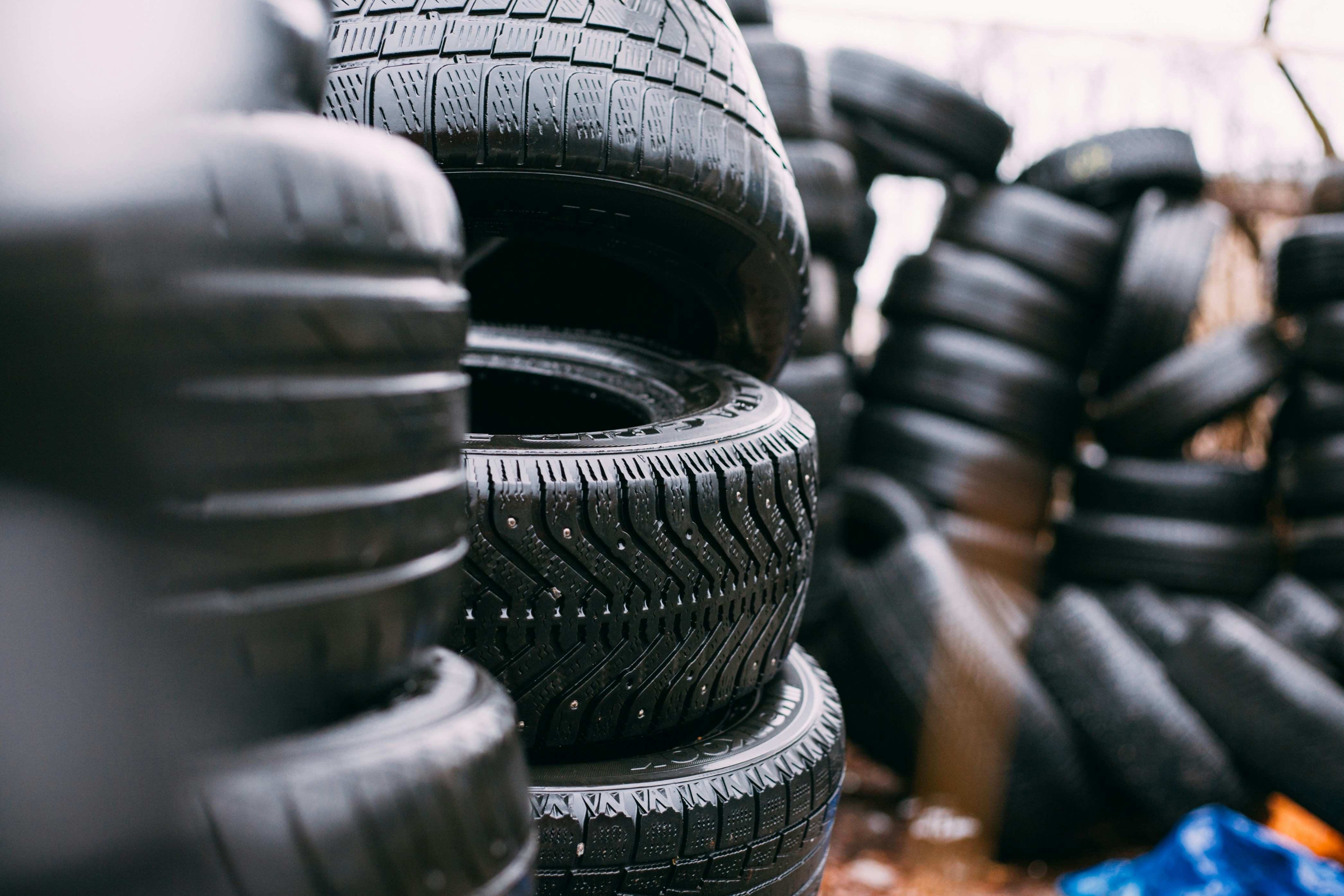
Tire applications dominate due to massive global scale of tire manufacturing, which represents single largest consumer of rubber and associated processing chemicals across passenger car, truck, bus, motorcycle, aircraft, and off-the-road tires. Tire manufacturing remains largest segment of rubber processing chemicals market, driven by sustained growth in global automotive industry and increasing demand for performance-enhancing additives. Tires require complex mix of chemicals to achieve required performance.
Approximately 60% of total usage concentrated in tire manufacturing, where additives such as antioxidants, accelerators, and processing aids ensure product reliability and longevity. Over 55% of rubber goods rely on these chemicals to strengthen elasticity, resilience, and resistance to stress, making them essential in modern manufacturing.
Automotive sector dominates consumption patterns, accounting for approximately 65% of total rubber processing chemical demand. This concentration stems from essential role these chemicals play in tire manufacturing and automotive component production. Tire manufacturing consuming approximately 70% of all rubber processing chemicals, with rubber processing chemicals integral to global manufacturing operations, more than 70% of total output catering to tire industry.
Electric vehicles require specialized rubber compounds for battery sealing, thermal management systems, and enhanced tire performance to maximize range efficiency, creating new demand for advanced processing chemicals that improve low rolling resistance and durability.
Specific Functions In Tyre Production
Antidegradants: Protect against ozone cracking, oxidation, and flex fatigue. 6PPD and IPPD antioxidants widely used, but facing regulatory scrutiny due to environmental concerns, driving development of alternatives. Critical for tire sidewalls and treads exposed to outdoor conditions.
Accelerators: CBS, TBBS accelerate vulcanization, reducing cure time and improving productivity. Essential for achieving desired crosslink density and mechanical properties.
Vulcanizing Agents: Sulphur and zinc oxide create crosslinks between polymer chains, transforming sticky rubber into elastic, durable material. Zinc oxide also acts as activator for accelerators.
Processing Aids and Plasticizers: Improve mixing, extrusion, and molding efficiency, reducing energy consumption and improving dispersion of fillers like carbon black and silica. Plasticisers types include phthalate DOP DINP DIDP and non-phthalate DOTP adipates trimellitates used in flexible rubber compounds.
Reinforcing Fillers: Carbon black and silica improve abrasion resistance, tensile strength, and rolling resistance, critical for tire performance.
Silane Coupling Agents: Improve bonding between silica filler and rubber polymer, reducing rolling resistance and improving fuel efficiency, important for electric vehicles maximizing range.
Applications In Non-Tyre Rubber Manufacturing
Rubber processing chemicals also heavily used in production of seals, gaskets, footwear, and industrial belts, accounting for 30% of total non-tire demand. Nearly 35% of demand attributed to industrial products, including conveyor belts, hoses, seals, gaskets, footwear, medical products.
Automotive Components: Seals, gaskets, hoses, belts, vibration mounts require resistance to heat, oil, and mechanical stress, using similar antidegradants and accelerators as tires.
Footwear Products: Require flexibility, abrasion resistance, and comfort, using processing aids and plasticizers for soft compounds.
Industrial Rubber Products: Conveyor belts, industrial belts, hoses require high strength and abrasion resistance, using reinforcing fillers and antidegradants.
Medical Products: Require high purity, biocompatibility, using specialized accelerators and low-extractable chemicals.
Construction And Infrastructure: Roofing membranes, window seals, expansion joints require UV and ozone resistance, using HALS and antidegradants similar to UV stabilizers protecting plastics.
Market Growth And Competitive Landscape
Global rubber processing chemicals market to grow at 4.38% during 2026-2034, driven by ever-increasing demand for tires, especially automotive sector. Chemicals including accelerators, antidegradants, vulcanizing agents critical in imparting essential properties such as resistance to heat, oxidation, wear, supporting production of tires.
Global rubber processing chemicals market plays critical role in production of high-performance rubber products used across automotive, industrial, construction, healthcare, footwear, and other industries. Primary growth factor fueling market is ever-increasing demand for tires, especially automotive sector.
Top companies in global rubber processing chemicals market include major chemical producers similar to specialty chemicals market where BASF, Dow, Evonik hold significant share. Market experiencing shift toward sustainable and bio-based additives, with bio-based feedstock adoption reaching 9% of new projects.
Sustained demand from automotive and tire manufacturing sectors continue to be primary end-users of rubber additives such as accelerators, antioxidants, antiozonants. Tire applications to exhibit leading share among applications, driven by sustained growth in global automotive industry and increasing demand for performance-enhancing additives.
For food-grade minerals, parallels exist: zinc oxide used as vulcanizing activator in rubber is similar to zinc sulfate monohydrate used in food fortification, requiring high purity and low heavy metal compliance. Calcium carbonate GCC used as filler in rubber, similar to food-grade calcium carbonate GCC for fortification, with lifecycle assessments showing 28-35% less CO2 per ton versus synthetic.
Changing Demand And Sustainability Trends
Market volume could expand by 30-50% between 2026 and 2035 in some developing markets if infrastructure and automotive growth supports demand, similar to plasticizers market. Non-phthalate plasticizers growing in popularity, driven by consumer preference for eco-friendly alternatives, similar trend in rubber processing chemicals where non-toxic, bio-based accelerators and antidegradants gaining traction due to regulatory pressure.
Electric vehicles require specialized rubber compounds for battery sealing, thermal management, enhanced tire performance to maximize range efficiency, creating demand for low rolling resistance compounds using silica-silane technology.
Regulatory scrutiny on 6PPD antidegradant due to environmental impact driving innovation toward alternatives, similar to phthalate restrictions driving non-phthalate plasticizer growth at 4-7% annually in premium applications.
Practical strategies for buyers include tracking automotive production and tire replacement cycles as leading indicators, monitoring regulatory changes on antidegradants that drive shift toward alternatives, and building tiered budgets with base, pressure, and disruption cases. Focus on four decision signals input trend, lead-time movement, supplier capacity discipline, compliance friction.
Ultimately, rubber processing chemicals market shows tyre manufacturing consuming 60-70% of demand, automotive sector 65% of total, over 55% of rubber goods relying on these chemicals to strengthen elasticity, resilience, resistance, with applications spanning accelerators CBS TBBS, antioxidants 6PPD IPPD, vulcanizing agents sulphur zinc oxide, processing aids, reinforcing fillers carbon black silica, and silane coupling agents, driving growth at 4.38% CAGR 2026-2034.
Sources:
Global Rubber Processing Chemicals Market to Grow at 4.38% During 2026-2034 – IMARC Group – Rubber processing chemicals refer to group specialty chemicals that assist enhancing resistance to heat ozone sunlight oxidation mechanical stresses – https://imarcgroup.com
Rubber Processing Chemical Market Competitive Analysis Opportunity Mapping 2024-2034 – Emergen Research – automotive sector dominates 65% total demand – tire manufacturing consuming 70% – electric vehicles require specialized rubber compounds – https://emergenresearch.com
Rubber Chemicals Manufacturers In India – ChemicalBull – Rubber chemicals additives used during compounding vulcanization improve strength elasticity durability heat resistance – main types accelerators CBS TBBS antioxidants 6PPD IPPD vulcanizing agents sulphur zinc oxide – https://chemicalbull.com
Activated Carbon (Powder) - China
Found this useful?