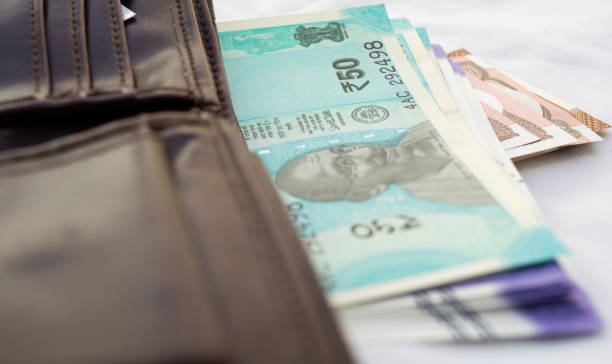
Rupee Depreciation Reshapes Indian Chemical Export Logistics Economics
India has emerged as a leading exporter of specialty chemicals, agrochemicals and industrial intermediates. Yet the value of the rupee against major currencies has been volatile, especially in the wake of global supply‑chain disruptions and fiscal policy shifts. Currency movements directly affect the economics of cross‑border freight, the pricing of finished products, and the strategic choices of buyers and sellers in the chemical trade.
Impact on Freight Costs
Freight charges for containers and bulk shipments are typically invoiced in dollars or euros. When the rupee depreciates, Indian exporters must spend more rupees to purchase the same freight capacity, raising the overall cost of logistics. The effect is two‑fold:
Increased operational expense – Each ton of chemical cargo now costs more in local currency, squeezing profit margins.
Shift to alternative routes – Exporters may seek more cost‑effective sea lanes or multimodal options to offset higher rates.
Freight Economics in Numbers
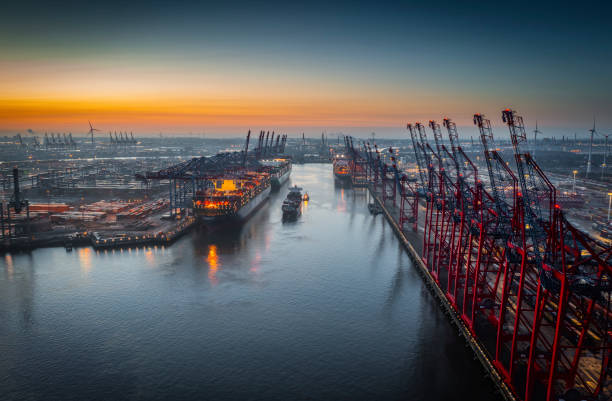
For example, a standard 40‑foot container that costs $1,800 in a stronger rupee market may rise to $1,950 or more when the rupee falls by 5%. This 8% increase translates to roughly 12% higher freight cost per kilogram of product, a significant erosion of competitiveness.
Effects on Export Competitiveness
Competitive pricing is aaggregated factor in the chemical sector. Exporters often price based on cost-plus margins that include freight, raw‑material costs, and labor. A weaker rupee forces exporters to either:
Pass on the freight hike to buyers, risking loss of market share.
Maintain price stability and absorb the cost, reducing profit margins.
In practice, many firms adopt a hybrid approach, offering volume discounts while negotiating long‑term freight contracts to lock in rates.
Procurement 德 Supply Chain Decisions
Rupee depreciation also alters procurement dynamics. Importers of active ingredients and specialty chemicals may prefer to source from countries with stronger currencies, reducing import cost volatility. Conversely, Indian suppliers can leverage the rupee’s weakness to attract price‑sensitive buyers by offering lower local éstos prices while keeping global competitiveness.
Strategic Supplier Alignment
Exporters now focus on building resilient supplier networks:
Local sourcing of raw materials to reduce foreign exchange exposure.
Long‑term contracts with suppliers in stable currencies.
Use of hedging instruments such as forward contracts and options.
International Shipping Dynamics
The logistics of international shipping is influenced by not just freight rates but also port fees, insurance premiums, and customs procedures. The rupee’s weakness encourages exporters to:
Use less congested ports that offer lower berth fees.
Leverage intermodal transport (rail to sea) to reduce handling costs.
Negotiate groupage or consolidations to spread freight costs across multiple shippers.
Technology and Visibility
Adopting digital freight platforms helps exporters:
Track real‑time cost fluctuations.
Optimize container utilization.
Predict transit times and avoid costly delays.
Strategies to Mitigate Currency Impact
Exporters can employ several tactics to protect margins:
Currency Hedging – Forward contracts lock in freight rates ahead of time.
Dynamic Pricing – Adjust prices quarterly based on currency indices.
Cost‑sharing Agreements – Partner with buyers to distribute freight cost increases.
Diversified Market Footprint – Expand into regions with weaker currencies to balance the overall exposure.
Calcium Propionate (E282)
Found this useful?