The July 17 Sanctions Deadline
The United States and allied governments imposed a hard cutoff on Iranian oil sales effective July 17, 2026. This move follows the expiration of earlier easing measures that allowed limited Iranian crude to enter the global market. The deadline means any Iranian oil that has not been cleared, registered, or delivered before that date will be subject to seizure, forfeiture, or other enforcement actions. The sudden halt has already begun to reshape the dynamics of energy trade, maritime logistics, and the chemical industry that relies on crude derivatives.
Impact on Global Oil Markets
Oil traders have responded with heightened volatility. Crude prices in major benchmarks such as West Texas Midstream (WTI) and Brent have spiked by 4–6% within days of the announcement. The supply shock is twofold: first, the immediate loss of Iranian output, and second, the uncertainty surrounding how quickly new supply can be mobilized from alternative producers. Market participants are also scrambling to re‑allocate inventory, with storage facilities in key hubs like Houston and Rotterdam reporting increased fill rates.
Supply‑Demand Balancing
Supply Reduction: Iran accounted for roughly 1.5% of global crude exports. While modest, the sudden removal of this stream forces producers to fill the gap.
Demand Side: Energy‑heavy regions such as the Middle East and Asia are now evaluating alternative sources, often at higher transport costs.
Price Transmission: The price differential between crude and refined products is widening, affecting downstream markets.
Shipping & Maritime Implications
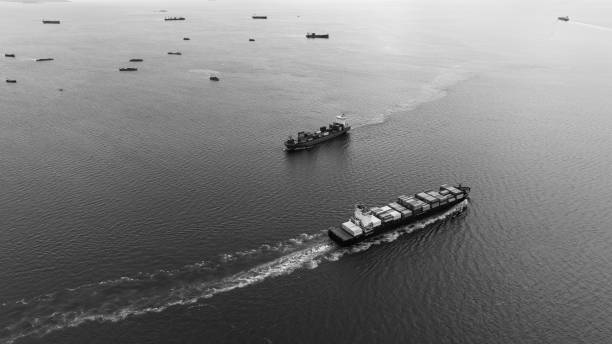
The maritime sector faces a cascade of operational challenges. Shipping companies that previously routed tankers through the Strait of Hormuz must now seek alternative passages, increasing transit times and insurance premiums.
Route Adjustments
Detours through the Suez Canal and the Indian Ocean corridor.
Increased reliance on the Red Sea and the Gulf of Aden routes.
Higher exposure to piracy and geopolitical tension in alternate channels.
Container shipping, too, feels the effect. With fewer oil‑related freight rates, some container operators are repurposing tankers for dry cargo, though this conversion requires significant capital and regulatory approval.
Effect on Chemical Supply Chains
Many chemicals are derived from crude oil through processes such as refining and petrochemical conversion. The interruption in Iranian oil exports influences the availability of feedstocks like naphtha, ethylene, and propylene, which are critical for plastics, fertilizers, and pharmaceuticals.
Feedstock Availability
Increased reliance on U.S. and Canadian crude for naphtha supplies.
Shifts in pricing dynamics for petrochemical intermediates.
Potential shortages of specialty chemicals in regions heavily dependent on Iranian feedstocks.
Manufacturers are diversifying their supplier base, investing in alternative feedstock sources, and accelerating research into bio‑based and non‑oil derivatives to mitigate long‑term risk.
Global Trade Repercussions
The sanctions deadline also alters broader trade patterns. Countries in the European Union, China, and India are reconsidering their energy procurement strategies, potentially increasing their reliance on LNG, renewables, or other crude suppliers such as Russia and the Gulf states.
Economic Ripple Effects
Higher energy costs for consumers and industries.
Inflationary pressures in import‑dependent economies.
Potential realignment of supply chain corridors, favoring countries with robust maritime infrastructure.
Governments are monitoring the situation closely, with some announcing contingency plans, such as emergency oil resupply agreements or acceleration of renewable energy projects, to cushion the shock.