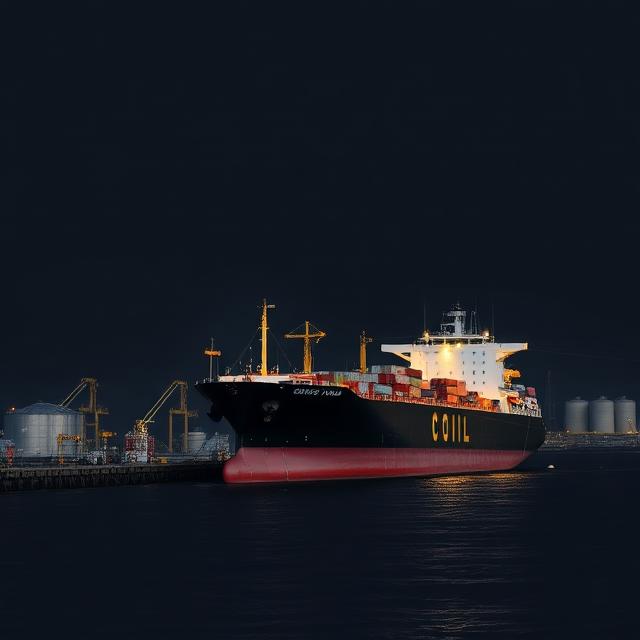
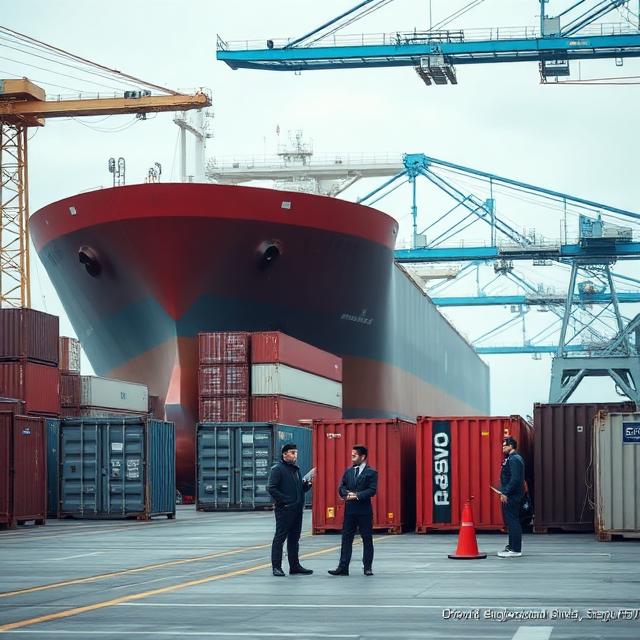
Global chemical trade compliance has become increasingly complex as sanctions policies evolve across different jurisdictions and commodities. The United States recently ended authorization for Iranian oil sales while separately allowing Indian refiners to continue purchasing Russian crude. These contrasting policy decisions illustrate how modern sanctions regimes increasingly require businesses to evaluate each transaction individually rather than relying on broad regional assumptions.
For procurement professionals, regulatory divergence creates new compliance challenges. Companies involved in international chemical trade must ensure that supplier screening, logistics planning and financial controls remain aligned with the latest regulatory requirements across multiple markets.
Why Diverging Sanctions Policies Matter
International sanctions no longer follow a uniform approach across every country or commodity.
Different regulatory measures may apply to:
Oil exports.
Petrochemical products.
Financial institutions.
Shipping providers.
Trading intermediaries.
As policies become more targeted, companies need greater visibility across every stage of the supply chain.
Compliance Requires More Than Supplier Screening
Modern sanctions compliance extends beyond verifying direct suppliers.
Organizations should also review:
Logistics partners.
Freight forwarders.
Port operators.
Banking institutions.
Payment intermediaries.
Indirect commercial relationships may create compliance risks even when primary suppliers remain unaffected.
Procurement Teams Should Strengthen Due Diligence
Rapid policy changes require procurement departments to maintain robust verification procedures.
Priority actions include:
Updating sanctions screening databases.
Reviewing supplier ownership structures.
Confirming country of origin documentation.
Verifying transportation routes.
Maintaining detailed compliance records.
Regular reviews reduce the likelihood of disruptions caused by evolving regulatory requirements.
Financial Institutions Play a Critical Role
International payments are an essential component of every chemical transaction.
Companies should coordinate closely with:
Early communication helps prevent payment delays resulting from updated sanctions controls.
Documentation Is Becoming Increasingly Important
As sanctions frameworks become more detailed, comprehensive documentation supports stronger compliance programmes.
Businesses should maintain records of:
Well-organized documentation improves audit readiness and demonstrates responsible trade practices.
Flexible Sourcing Reduces Regulatory Exposure
Diversified procurement strategies help companies adapt more effectively to changing international regulations.
Successful organizations often:
Qualify suppliers in multiple regions.
Build alternative logistics options.
Maintain strategic inventory.
Review contracts regularly.
Monitor regulatory developments continuously.
These practices strengthen operational resilience while reducing dependence on a single sourcing pathway.
What Procurement and Compliance Teams Should Do Now
The differing US approaches toward Iranian and Russian oil transactions demonstrate that sanctions compliance is becoming more nuanced and transaction-specific. Procurement and compliance professionals should strengthen supplier due diligence, expand screening beyond direct business partners and closely monitor regulatory updates that could affect international chemical trade.
Organizations that combine comprehensive compliance programmes with diversified sourcing strategies will be better positioned to manage regulatory complexity while maintaining reliable global supply chains.
Ready to source chemical products from verified global suppliers? Explore competitive offers on our platform today.