Saudi Arabia's Two-Front Shipping Challenge: What It Means for Chemical Supply Chains | ChemicalsBlog.com
Country Watch
schedule3 Min Read
Saudi Arabia Faces a Two-Front Shipping Squeeze for the First Time
terminal
prodchem
Jul 21, 2026
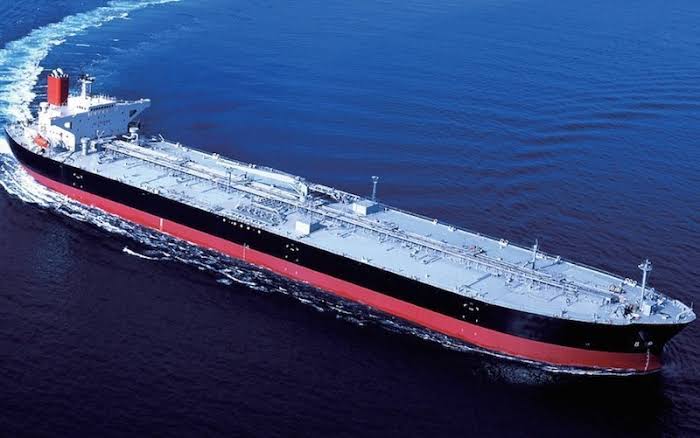
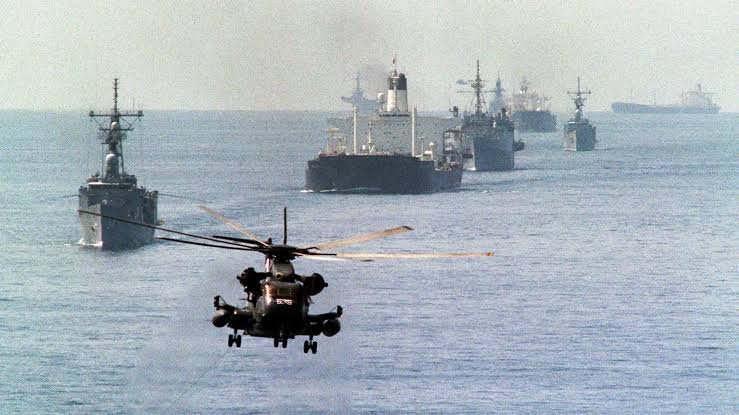
Saudi Arabia is confronting an unprecedented logistics challenge as both its Strait of Hormuz-linked export routes and Red Sea shipping corridors come under pressure simultaneously. As the world's largest crude oil exporter, producing more than 10 million barrels per day, Saudi Arabia has traditionally relied on multiple export routes to maintain supply continuity. However, simultaneous risks in both maritime corridors have significantly increased concerns over energy security and global chemical trade.
For chemical manufacturers, distributors, and procurement professionals, this dual-front shipping squeeze extends beyond crude oil. Saudi Arabia is one of the world's largest exporters of petrochemicals, fertilizers, and industrial chemical feedstocks. Any sustained disruption could affect export schedules, freight costs, marine insurance premiums, and the availability of key raw materials across global supply chains.
Why Saudi Arabia's Shipping Routes Matter
Saudi Arabia is a critical supplier of energy and petrochemical products that support manufacturing industries worldwide.
Key chemical products linked to Saudi exports include:
With pressure on both the Hormuz corridor and Red Sea routes, exporters may face longer transit times, higher transportation costs, and reduced logistics flexibility.
Market Implications
The two-front shipping squeeze could contribute to:
Increased freight and marine insurance costs
Longer cargo transit times
Higher petrochemical and fertilizer price volatility
Supply chain disruptions
Greater reliance on alternative export routes
Increased demand for diversified sourcing
Global buyers may experience tighter availability of Gulf-origin chemicals if shipping constraints persist.
Procurement Considerations
Procurement professionals should strengthen supply chain resilience through:
Multi-origin sourcing strategies
Supplier diversification
Strategic safety stock planning
Long-term procurement agreements
Freight market monitoring
Geopolitical risk assessments
Companies that proactively diversify suppliers and logistics networks will be better positioned to maintain business continuity during periods of shipping disruption.
Looking Ahead
Saudi Arabia's ability to export through multiple maritime routes has historically provided resilience during regional disruptions. The current pressure on both major shipping corridors represents a new level of logistical risk for global energy and chemical markets.
Chemical buyers should continue monitoring shipping conditions, freight rates, export schedules, and regional security developments. Building flexible procurement strategies and maintaining strong supplier relationships will remain essential for navigating evolving geopolitical risks.
Key Takeaways
Saudi Arabia is simultaneously facing risks to both Hormuz and Red Sea shipping routes.
Petrochemical and fertilizer exports may experience higher logistics costs and delays.
Freight, insurance, and commodity price volatility could increase.
Procurement teams should diversify sourcing and strengthen contingency planning.
Supply chain resilience remains critical for global chemical buyers.
global tradelogisticsBiochemical Supply ChainPetrochemicalsChemical Supply ChainGlobalTradeMethanolUreaammoniastrait-of-hormuzpolyethyleneTradeChemSaudi Arabia