Saudi Arabia's Backup Plan for a Blocked Hormuz Just Got Blocked Too
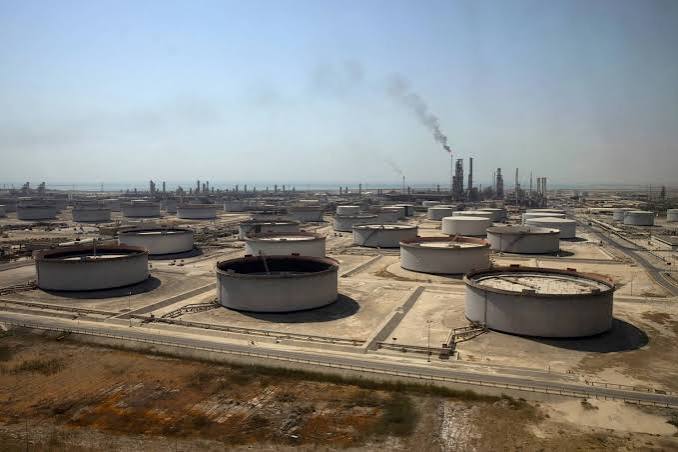
Saudi Arabia's strategy for keeping exports moving during a Strait of Hormuz disruption has suffered a major setback. The kingdom's East-West Pipeline, a critical route for moving crude from the Persian Gulf to the Red Sea, was shut after a September drone attack while Houthi forces simultaneously strengthened their position around the Bab el-Mandeb gateway.
The situation creates a difficult logistics problem for energy and chemical markets. A route designed to bypass one maritime chokepoint now faces infrastructure damage on land while the alternative Red Sea shipping corridor faces renewed security risks. For chemical buyers, traders and manufacturers, the result could be higher freight costs, longer lead times and greater uncertainty around feedstock availability.
Why the East-West Pipeline Matters to Global Trade
Saudi Arabia built the East-West Pipeline to provide flexibility when shipments through the Persian Gulf face disruption. The 1,200-kilometre system moves crude from eastern production areas toward Yanbu on the Red Sea, allowing Saudi exports to reach international markets without first passing through the Strait of Hormuz.
The infrastructure has become even more important during the current regional crisis. Saudi Aramco said in its first-quarter 2026 results that the pipeline had reached a maximum crude capacity of around 7 million barrels per day and was helping mitigate shipping constraints affecting Hormuz.
That redundancy has now been compromised. A September drone attack halted crude shipments through Yanbu and forced Saudi Arabia to redirect more exports through its eastern Gulf terminals, increasing dependence on maritime routes that remain exposed to regional security risks.
The Second Problem Is Sitting at Bab el-Mandeb
Even if the pipeline route can be restored, the Red Sea is not a straightforward alternative. Bab el-Mandeb connects the Red Sea with the Gulf of Aden and provides an important maritime passage for cargoes moving between the Middle East, Europe and Asia.
The security environment deteriorated further after Houthi forces captured Perim Island near the centre of the strait and expanded their presence along Yemen's Red Sea coast. Reuters reported that the development increased pressure on Saudi exports and created another vulnerability for ships using the Red Sea corridor.
On October 5, Saudi-backed Yemeni forces launched a major counteroffensive aimed at reversing Houthi advances and regaining control around strategic areas near Bab el-Mandeb. The escalation shows that the shipping risk is no longer limited to isolated attacks on commercial vessels.
For logistics planners, that creates a difficult choice. A damaged land route pushes more cargo toward the Gulf while an increasingly contested Red Sea route makes the western alternative less dependable.
What This Means for Chemical Supply Chains
The immediate concern extends beyond crude oil. Oil and gas logistics influence the availability and pricing of petrochemical feedstocks that support plastics, solvents, synthetic materials and other industrial chemicals.
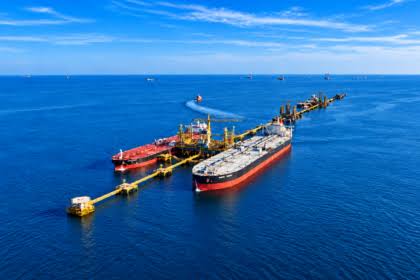
When exporters shift cargoes from Red Sea ports back toward Gulf terminals, the trade pattern changes. Cargoes may require different vessel schedules, longer sailing distances or ship-to-ship transfers, while buyers may face additional insurance and freight charges.
Saudi Arabia has already adapted by increasing Gulf exports after the East-West Pipeline disruption. Reuters reported that Saudi Aramco loaded around 14 million barrels at Ras Tanura on September 20 and also used ship-to-ship transfers through Oman's Sohar to move substantial volumes.
This flexibility has helped prevent an immediate collapse in global supply. However, it also demonstrates how quickly normal trade flows can become dependent on more complicated logistics when a major pipeline or maritime corridor becomes unavailable.
For chemical procurement teams, the lesson is clear: availability at the producer level does not automatically mean reliable delivery to the buyer.
Freight Costs Could Become the Bigger Disruption
Physical supply is only one part of the problem. Freight, insurance and vessel availability can become equally important when shipping routes face security restrictions.
Reuters reported that tanker costs from the Middle East to Asia had risen sharply, with freight rates reaching exceptionally high levels as operators managed increased risk and more complicated routing requirements.
Higher freight costs can quickly alter the economics of chemical imports. A product that remains competitively priced at origin may become significantly more expensive after insurance surcharges, vessel premiums, longer voyages and additional handling costs are included.
Chemical buyers should therefore monitor delivered-cost changes rather than relying only on published product prices. Procurement teams that compare suppliers purely on FOB or ex-works pricing may underestimate the actual landed cost during periods of logistics disruption.
The Gulf Is Adapting, but Redundancy Has Limits
Saudi Arabia has demonstrated that it can redirect exports when one route becomes unavailable. September data showed Gulf oil flows excluding Iran recovering to about 81% of their pre-war level, with Saudi Arabia playing a major role in the rebound.
This recovery is important because it shows that regional infrastructure still provides meaningful flexibility. Gulf producers can use a combination of pipelines, alternative terminals, ship-to-ship transfers and different maritime corridors to keep cargo moving.
But these alternatives are not equivalent to normal trade routes. They often require additional coordination and introduce higher operational costs. A network may remain physically functional while becoming commercially inefficient.
That distinction matters for chemical traders because margins can narrow even when supply remains available. Longer transit times can also increase inventory requirements and make it harder for buyers to maintain just-in-time procurement models.
What Chemical Buyers Should Watch Next
Procurement teams should track several indicators as the Saudi logistics situation develops:
East-West Pipeline restoration: The duration of the outage will determine how much additional crude Saudi Arabia must move through Gulf terminals.
Yanbu export activity: A sustained recovery at the Red Sea port would indicate that the pipeline and related logistics are returning to normal.
Bab el-Mandeb security: Houthi activity around the strait could influence vessel availability, insurance premiums and routing decisions.
Hormuz transit levels: Any renewed deterioration would increase pressure on Saudi Arabia's remaining export options.
Tanker freight rates: Freight inflation can affect delivered chemical costs even when benchmark feedstock prices stabilize.
Regional inventory levels: Buyers should assess whether suppliers have sufficient stocks to absorb longer transportation cycles.
Alternative sourcing: Importers should maintain qualified suppliers outside the most exposed production and transit corridors.
The International Maritime Organization continues to monitor the wider Middle East shipping situation and has documented numerous confirmed incidents involving commercial vessels around the Strait of Hormuz. It has also highlighted the wider safety risks facing seafarers and ships operating in the region.
Trade Routes Are Becoming Part of the Procurement Decision
The latest disruption reinforces a broader shift in chemical procurement. Supplier selection can no longer depend solely on product quality, specifications and quoted price when geopolitical risks can quickly alter the cost and reliability of transportation.
A supplier located close to a major production hub may look attractive until the preferred export corridor becomes unavailable. Another supplier with a slightly higher product price may prove more competitive if it can offer stable access to ports, multiple shipping options and shorter exposure to high-risk routes.
For traders and procurement managers, route diversification should therefore become part of supplier qualification. Buyers should understand where material is produced, which port handles the cargo, what alternative terminals exist and how the supplier would respond if its primary logistics corridor failed.
The Saudi case provides a clear warning. A country can invest heavily in physical redundancy and still discover that its backup route depends on another vulnerable maritime chokepoint.
Building Resilience Beyond a Single Backup Route
The disruption around Hormuz, the East-West Pipeline and Bab el-Mandeb shows why global chemical trade needs layered logistics strategies rather than one alternative route.
Saudi Arabia can still redirect significant volumes through Gulf terminals and alternative shipping arrangements. September export data also shows that these measures can support a substantial recovery in regional flows.
Yet resilience comes at a price when every alternative requires additional freight, security planning or operational complexity. For chemical companies, the most effective response is to build flexibility before a disruption occurs by qualifying multiple suppliers, monitoring logistics corridors and maintaining realistic safety-stock policies.
As geopolitical pressure continues to reshape Middle Eastern trade routes, chemical buyers should treat logistics resilience as a commercial advantage rather than simply a contingency measure. Ready to source Methanol from verified global suppliers? Explore competitive offers on our platform today

Methanol
Found this useful?