Saudi Arabia’s Hormuz Backup Route Was Hit as Well
Saudi Arabia’s Hormuz Backup Route Was Hit as Well Saudi Arabia’s Alternative Oil Export Route Comes Under Attack
Saudi Arabia’s East–West Pipeline, a major oil transportation route designed to move crude from the kingdom’s eastern oil-producing regions to the Red Sea coast, was hit by drone attacks in September 2026. The incident temporarily disrupted operations on a route that has become increasingly important amid severe interruptions to shipping through the Strait of Hormuz.
The pipeline, also known as Petroline, allows Saudi Arabia to transport crude oil across the Arabian Peninsula to the export terminal at Yanbu. From there, tankers can carry oil to international markets without having to pass through Hormuz.
The September attacks damaged two pumping stations, according to industry sources cited by Reuters. The disruption forced a temporary shutdown and halted crude loadings at Yanbu.
The pipeline has since resumed operations. On October 6, Saudi Arabia’s energy minister reported that throughput had reached 5.8 million barrels, highlighting the route’s continuing role in maintaining oil exports during the regional crisis.
Why the East–West Pipeline Is So Important
The East–West Pipeline connects Saudi Arabia’s major oil-producing areas in the east with Yanbu on the Red Sea coast in the west. It stretches approximately 1,200 kilometres and provides an alternative to exporting crude through the Persian Gulf and the Strait of Hormuz.
The route is strategically important because Hormuz is one of the world’s most significant maritime oil chokepoints. When tanker movements through the strait are restricted, producers in the Gulf can face difficulties delivering crude to overseas buyers.
Petroline helps Saudi Arabia reduce its dependence on this shipping corridor by moving oil overland to a different coastline.
The pipeline’s design capacity has been reported at up to 7 million barrels per day following expansion. However, actual throughput depends on operating conditions, available oil volumes, pumping capacity, and the export facilities at Yanbu.
Its importance extends beyond Saudi Arabia. Disruptions to a major alternative export route can affect the availability of crude oil in international markets, particularly when other transportation options are already constrained.
What Happened During the September Attacks?
In September 2026, drone attacks originating from Iraq damaged pumping stations serving the East–West Pipeline. Reuters reported that pumping stations eight and nine were affected.
The pipeline was temporarily shut down as a precaution, while crude loadings at Yanbu were interrupted. The attacks raised concerns about the length of any outage and the time required to repair damaged infrastructure.
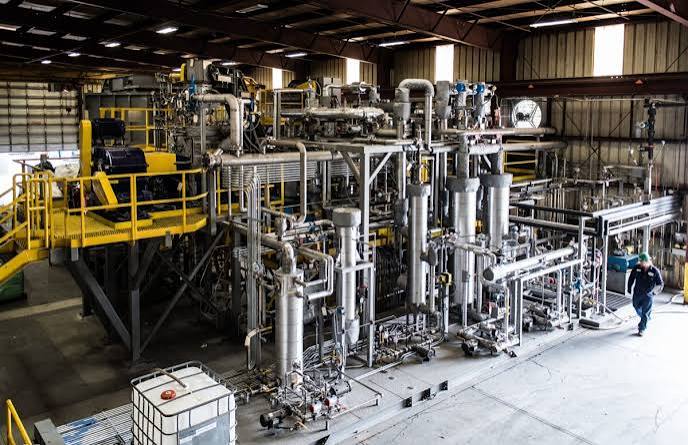
Pumping stations are essential to moving crude through a long-distance pipeline. They maintain the pressure needed to transport oil over large distances, so damage to key facilities can reduce or interrupt the movement of crude even if the pipeline itself remains largely intact.

Saudi Arabia subsequently restarted operations. Reuters reported on September 22 that the pipeline was pumping at a low rate, with exports from Yanbu expected to resume.
By October 6, the Saudi energy minister said throughput had reached 5.8 million barrels. This indicates that the route had recovered from the immediate shutdown, although it does not eliminate the risk of further disruption.
A Backup Route Is Not the Same as a Risk-Free Route
The incident highlights an important limitation in Saudi Arabia’s strategy for protecting crude exports. An alternative route can reduce dependence on one chokepoint, but it remains vulnerable to attacks on its own infrastructure and export terminals.
The East–West Pipeline avoids the need to transport crude through Hormuz, but it relies on pumping stations, pipeline operations, storage facilities, and the ability to load oil at Yanbu.
If any of these components becomes unavailable, export volumes may be affected. Even temporary interruptions can complicate tanker scheduling, crude deliveries, and supply planning for international buyers.
The Red Sea route also has its own maritime security considerations. Tankers leaving Yanbu must navigate regional shipping routes that can be affected by security threats and changing insurance or freight costs.
Saudi Arabia therefore needs both reliable pipeline infrastructure and secure maritime access to maintain export flexibility.
Implications for Global Oil Supply and Prices
The East–West Pipeline has been carrying substantial volumes of crude during the disruption to shipping through Hormuz. Before the September incident, reports indicated that the route was moving approximately 4 million to 5 million barrels per day.
When a route carrying this much oil experiences an outage, the market must assess whether alternative supplies, inventories, or transportation options can compensate for the disruption.
The effects may include:
Supply uncertainty: Refiners may face uncertainty over the timing and availability of Saudi crude deliveries.
Higher transportation costs: Tanker scheduling and alternative shipping arrangements can become more expensive.
Price volatility: Traders may incorporate the risk of reduced export volumes into crude oil prices.
Increased inventory use: Buyers may draw on stored crude to manage temporary supply interruptions.
The actual market impact depends on the duration of the disruption, the amount of oil affected, and the availability of alternative supplies. A short outage followed by a successful restart is different from a prolonged loss of pipeline capacity.
The recovery of the East–West Pipeline therefore helped ease the immediate transportation concern, but the incident demonstrated how quickly supply expectations can change when critical energy infrastructure is threatened.
Saudi Arabia’s Options for Moving Crude Oil
Saudi Arabia has several ways to manage export disruptions, although each has practical limitations.
The East–West Pipeline enables crude to reach the Red Sea without crossing Hormuz. Saudi Arabia can also use storage, adjust loading schedules, and manage production in response to available transportation capacity.
In some circumstances, additional exports may be arranged through other shipping or transfer methods. However, such options depend on tanker availability, insurance costs, port capacity, and security conditions.
The International Energy Agency has noted that the capacity of alternative export routes in the Gulf region is limited relative to the volumes normally transported through Hormuz. It has also cautioned that rerouting large quantities of oil requires logistics and supply chains capable of supporting those movements.
This means that alternative routes are valuable but cannot necessarily replace all disrupted flows immediately.
What the Incident Means for Energy Security
The damage to Saudi Arabia’s East–West Pipeline illustrates the broader challenge of maintaining reliable energy supplies during regional conflict.
Energy security depends not only on having sufficient oil reserves and production capacity but also on the ability to transport crude safely from producing regions to international customers.
Pipelines, pumping stations, export terminals, ports, and shipping lanes form a connected system. A disruption to one component can affect the entire chain.
For oil-importing countries, the incident reinforces the importance of diversified suppliers, strategic petroleum reserves, and contingency planning. For producers and traders, it highlights the value of monitoring infrastructure risks alongside production levels and market demand.
Although the East–West Pipeline has resumed operations, the September attacks showed that even a strategically designed bypass route can be vulnerable. Its continued reliability will remain important to Saudi Arabia’s export strategy and to the wider outlook for global oil markets.
Sources
Reuters: Saudi energy minister says oil pumped through East–West Pipeline reached 5.8 million barrels
Reuters / Pipeline & Gas Journal: Two Saudi East–West Pipeline pumping stations damaged in attack
Reuters via Investing.com: Saudi Arabia restarts East–West oil pipeline, to resume exports from Yanbu
International Energy Agency: Strait of Hormuz 2026 — Factsheet
Al Jazeera: From Yanbu to Sohar: Tracking Saudi Arabia’s alternative oil routes

Linear Alkylbenzene Sulfonic Acid (90%) - India
Found this useful?