Saudi Arabia's Hormuz Workaround Is Hit Too: What It Means for Chemical Supply Chains
Saudi Arabia spent months using alternative infrastructure to keep oil and chemical-related trade moving while disruptions around the Strait of Hormuz intensified. The strategy depended heavily on the kingdom's East-West Pipeline and Red Sea ports, giving exporters a route that avoided the main Gulf chokepoint.
That workaround has now faced a major setback. A drone strike forced a shutdown of the pipeline while Houthi forces seized islands in the Bab el-Mandeb Strait, putting pressure on another critical gateway for Red Sea shipping. For chemical buyers, the development matters because the disruption affects more than crude oil. It can influence feedstock availability, freight costs, insurance premiums, delivery schedules and the reliability of regional supply contracts.
Why Saudi Arabia's Alternative Route Mattered
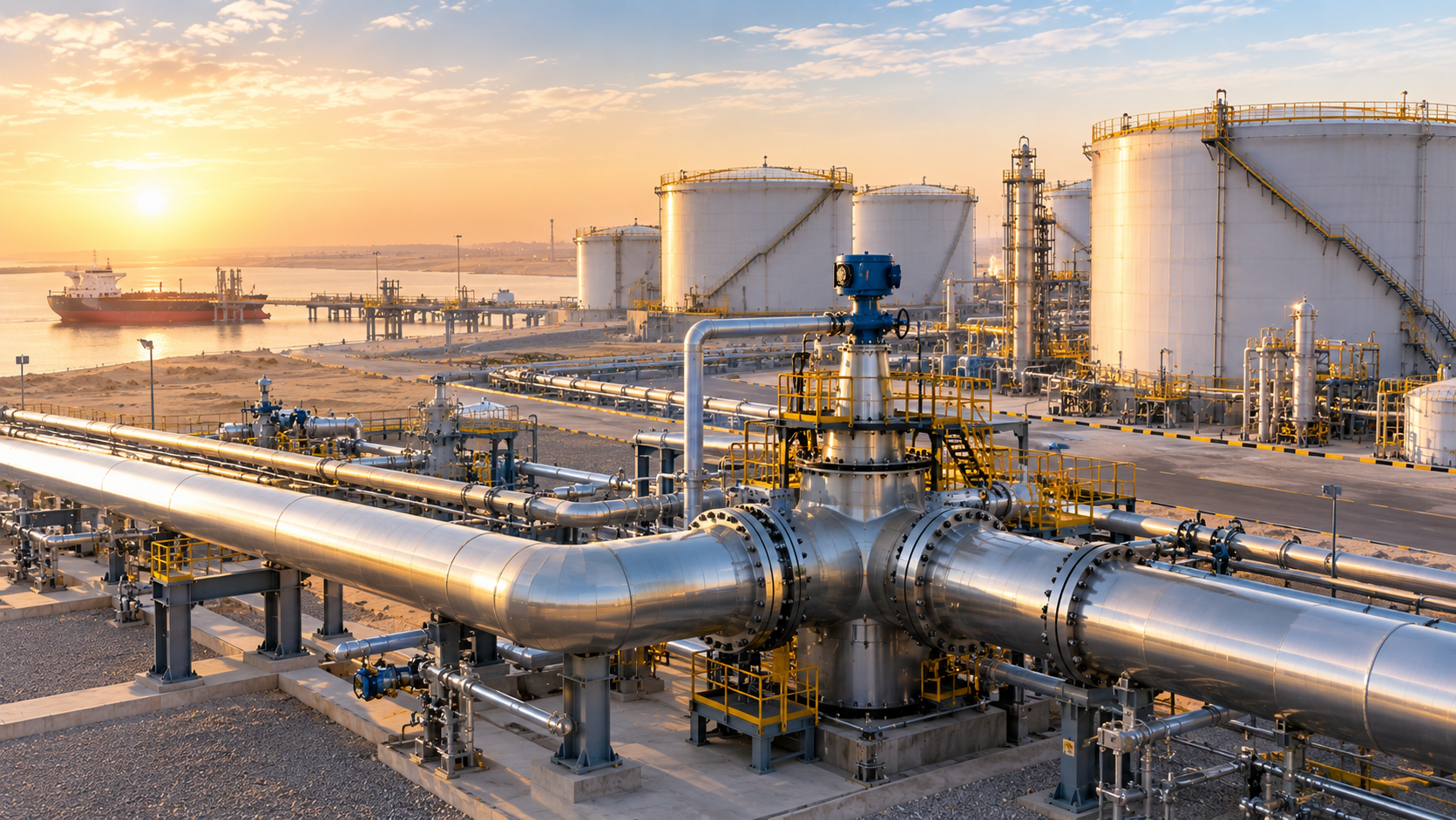
The East-West Pipeline crosses Saudi Arabia from the country's eastern production areas toward the Red Sea. Its strategic importance comes from its ability to move crude toward western export infrastructure without requiring a tanker to pass through the Strait of Hormuz.
For months, this route provided Saudi Arabia with a way to reduce exposure to the conflict affecting Gulf shipping. Red Sea ports also offered access to international markets without sending every cargo through the same maritime chokepoint.
The route became particularly important because chemical markets depend on energy infrastructure at multiple stages. Refiners, petrochemical producers and chemical manufacturers all require reliable access to crude, natural gas or intermediate feedstocks.
When a major export route becomes unavailable, buyers can face consequences even when the specific chemical they purchase never travels through Hormuz.
The Pipeline Shutdown Changes the Risk Equation
The East-West Pipeline stretches roughly 1,200 kilometers across Saudi Arabia. The September drone strike that disrupted the line removed an important component of the kingdom's ability to bypass the Strait of Hormuz.
The immediate concern is not simply lost pipeline capacity. Saudi Arabia must also reconsider how much product can reach Red Sea export terminals, how long existing inventories can support shipments and whether alternative logistics can absorb additional volumes.
Reports indicated that Saudi oil stored at Yanbu could support exports for only several days if the pipeline remained offline. The same reporting estimated that as much as 4% of global oil supply could face additional jeopardy on top of existing Hormuz-related disruptions.
For chemical procurement teams, this creates a second-order effect. A disruption in crude supply can alter refinery operations and petrochemical feedstock economics, which can eventually affect products such as solvents, polymers, olefins and other industrial intermediates.
Bab el-Mandeb Adds Another Supply Chain Constraint
The pipeline problem would already be significant on its own, but the timing makes it more consequential. Houthi forces also captured Perim Island in the Bab el-Mandeb, a strategic passage connecting the Red Sea with the Gulf of Aden.
This creates a situation where two alternative logistics pathways face pressure at the same time. The East-West Pipeline bypasses Hormuz on land, while Red Sea shipping provides a maritime route around the Gulf. Both now face new operational concerns.
The implications for chemical traders include:
Longer routing decisions: Cargo owners may need to evaluate additional alternatives when normal routes become unavailable or unattractive.
Higher freight exposure: Longer voyages consume more fuel and require additional vessel time, increasing delivered costs.
Insurance pressure: War-risk conditions can increase premiums or create additional requirements for vessels entering exposed waters.
Schedule uncertainty: Buyers may receive wider delivery windows as carriers adjust routes and port plans.
Inventory pressure: Manufacturers that depend on imported feedstocks may need additional safety stock to absorb delays.

Why Chemical Buyers Should Watch Energy Infrastructure
Chemical procurement does not operate independently from the energy market. Many major chemical products originate from hydrocarbons or require substantial energy input during manufacturing.
When crude and natural gas logistics become more expensive, producers can face higher operating costs. If feedstock availability tightens at the same time, chemical prices can respond through both production costs and supply expectations.
The impact varies by product. Buyers of commodity chemicals with concentrated production bases can face greater exposure than buyers sourcing from a broad network of regional manufacturers.
Products connected to petrochemical chains may experience pressure through several channels:
Feedstock costs can rise when crude or gas markets tighten.
Production economics can change as energy-intensive plants face higher operating expenses.
Freight costs can increase when ships avoid exposed waters or take longer routes.
Port congestion can develop when cargo volumes shift suddenly toward alternative terminals.
Lead times can become less predictable when carriers change schedules.
This means procurement teams should examine the complete supply chain rather than focusing only on the quoted chemical price.
Freight and Insurance Can Become the Hidden Cost
A chemical shipment can remain available while its delivered cost changes dramatically. Freight, insurance and handling expenses can increase even when the supplier's ex-works or FOB price remains stable.
The Hormuz disruption has already placed unusual pressure on tanker markets. gCaptain reported that tanker rates on a major oil trade route had climbed above $1 million per day during the crisis.
Chemical buyers should therefore pay attention to freight terms when comparing offers. A supplier offering a lower product price may not provide the lowest landed cost if the cargo requires a more expensive or risky transportation route.
Procurement teams should review:
Incoterms and the point where freight risk transfers.
War-risk insurance requirements.
Expected transit time under the proposed route.
Port congestion and alternative discharge options.
Demurrage exposure if vessels face delays.
Availability of substitute ports or nearby suppliers.
For high-volume purchases, even a relatively small increase in logistics cost per tonne can materially change the economics of the transaction.
What the Disruption Means for Chemical Supply Chains
The most important issue for chemical buyers is concentration risk. A company that relies on one producer, one country or one transportation corridor can experience a much larger disruption than a buyer with several qualified sources.
Saudi Arabia is deeply integrated into global energy and petrochemical markets. Any sustained reduction in export flexibility can therefore affect international buyers beyond the immediate region.
The effects may appear in stages. First, logistics costs rise. Then inventories tighten as buyers attempt to secure additional material. If disruptions continue, producers and distributors may begin reallocating available cargoes toward markets offering higher margins or more favorable logistics.
That environment can make spot purchasing more difficult.
Buyers with fixed production schedules should pay particular attention to chemicals that have limited substitutes or long qualification cycles. Replacing a supplier is not always as simple as finding another quotation because technical specifications, regulatory approvals and customer qualifications may restrict the available alternatives.
Procurement Strategies for a Multi-Route Market
Procurement teams can reduce exposure by treating transportation resilience as part of supplier qualification.
A practical sourcing strategy should include:
Multiple geographic suppliers: Avoid relying entirely on one production region for strategically important chemicals.
Alternative logistics routes: Ask suppliers which ports and corridors they can use if the primary route becomes unavailable.
Inventory planning: Review safety-stock requirements for materials with long replenishment cycles.
Flexible contracts: Where appropriate, include provisions covering freight changes, delays and extraordinary logistics disruptions.
Supplier visibility: Request updates on production status, port access and expected shipment schedules.
Landed-cost analysis: Compare offers using the complete delivered cost rather than the chemical price alone.
For importers and distributors, this approach can also improve customer service. Having alternative origins and routes ready before a disruption occurs reduces the pressure to make emergency purchases at unfavorable terms.
The Broader Lesson for Global Chemical Trade
The latest disruption demonstrates why a single alternative route does not necessarily create a resilient supply chain. Saudi Arabia had developed infrastructure specifically to reduce dependence on Hormuz, yet that alternative has now encountered its own security challenge.
The Red Sea presents a similar problem. A route that avoids one chokepoint can still encounter another vulnerable passage, port constraint or security risk.
This matters for global chemical trade because supply chains often contain several hidden dependencies. A product may originate in one country, use feedstocks from another, travel through a third region and depend on a particular port before reaching the final buyer.
A disruption anywhere along that chain can affect availability.
The current environment also reinforces the value of supplier diversification. Chemical buyers should increasingly evaluate geographic flexibility, logistics alternatives and inventory resilience alongside conventional factors such as purity, specification, price and payment terms.
What Buyers Should Do Now
Procurement teams should treat the Saudi pipeline shutdown and Bab el-Mandeb disruption as signals to reassess route dependency rather than as isolated shipping events. The key question is whether an alternative supplier can still deliver when the preferred maritime or energy corridor becomes unavailable.
For critical chemicals, buyers should identify backup suppliers, confirm alternative ports and review realistic lead times before placing urgent orders. They should also compare quotations on a landed-cost basis because freight and insurance can change faster than the underlying chemical price.
The situation also favors buyers with stronger supplier networks. Traders and importers that maintain relationships across multiple origins can respond more quickly when a major corridor becomes constrained.
For manufacturers, the priority is continuity. A small increase in inventory or sourcing complexity can be easier to manage than a production interruption caused by an unavailable feedstock or delayed chemical shipment.
The Saudi experience shows that bypassing one chokepoint does not eliminate geopolitical logistics risk. It simply shifts the exposure to another part of the supply chain, making diversification, route planning and supplier visibility increasingly important for international chemical procurement.
Explore competitive offers on our platform today.
Sources:
ADN report on the Saudi pipeline shutdown and Houthi advances

Sulphuric Acid (60%)
Found this useful?