Siemens Will Build a Digital Twin for a 100 MW Hydrogen Plant in Sines
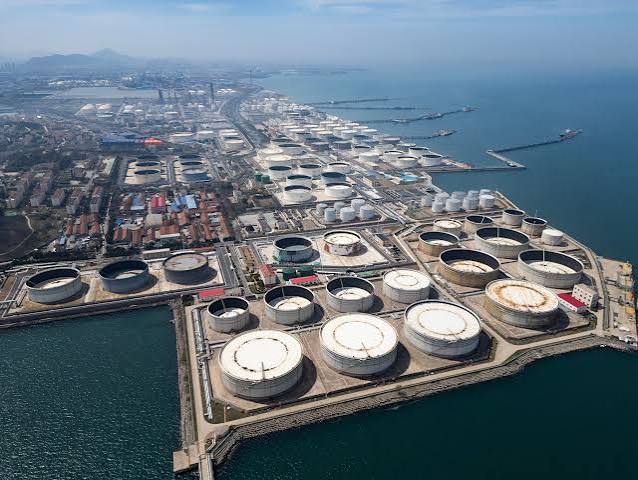
Siemens and Portuguese energy company Galp are collaborating to digitalize GalpH2Park, a 100 MW renewable hydrogen facility at the Sines refinery in Portugal. Announced on 8 October 2026, the project will use Siemens’ Hydrogen Performance Suite (HPS) to improve production scheduling, optimize energy procurement and support data-driven plant operations. The facility is designed to produce up to 15,000 tonnes of renewable hydrogen annually, with a targeted reduction of approximately 110,000 tonnes of CO₂ equivalent per year. (Siemens)
How the Digital Twin Will Work
At the centre of the collaboration is a physics-based digital process twin, which uses a virtual representation of the hydrogen plant to model operating conditions and support real-time optimization.
Siemens’ Hydrogen Performance Suite integrates process modelling, data analytics and visualization with live plant data and external information, including electricity-grid conditions and energy-market data. This allows operators to assess operating scenarios, coordinate production schedules and make informed decisions about when and how to run the electrolyzer system.
Siemens estimates that the software could deliver energy savings of up to 15%. This is a company-provided estimate, and actual savings will depend on operating conditions, renewable electricity availability and plant performance. (Siemens)
Why Energy Procurement Matters
Renewable hydrogen production depends heavily on electricity availability and cost. Electrolyzers use electricity to split water into hydrogen and oxygen, so power procurement decisions can significantly affect production economics.
By combining plant operating data with electricity-market information, digital optimization can help operators align production with available renewable power and commercial conditions. This is especially relevant where electricity prices and renewable generation fluctuate throughout the day.
For large industrial hydrogen facilities, improving energy utilization can help control operating costs while supporting more consistent production planning.
GalpH2Park and Industrial Decarbonization
GalpH2Park is intended to replace part of the grey hydrogen currently used at Galp’s Sines refinery. Its 100 MW proton-exchange-membrane (PEM) electrolysis project is designed to produce up to 15,000 tonnes of renewable hydrogen per year, potentially avoiding around 110,000 tonnes of CO₂ equivalent annually compared with the relevant conventional hydrogen production and use baseline. (Galp)
Hydrogen is an important industrial feedstock, particularly in refining and chemical manufacturing. Replacing fossil-based hydrogen with renewable hydrogen can reduce emissions associated with these processes, provided the electricity supply and full production pathway meet the applicable low-carbon criteria.
The project also illustrates how digital systems can become part of the infrastructure needed to make renewable hydrogen commercially viable at industrial scale.
Implications for Low-Carbon Chemicals
The combination of renewable hydrogen and digital plant optimization has implications for the wider chemical industry.
Hydrogen-based chemical production: Renewable hydrogen can serve as a feedstock for products such as ammonia and methanol, depending on the production pathway.
Refinery decarbonization: Replacing grey hydrogen can reduce emissions from hydrogen-intensive refinery operations.
Energy management: Digital optimization can help industrial operators coordinate production with electricity availability and cost.
Process automation: Integrating plant data, modelling and control can improve operational visibility.
Industrial water treatment: Electrolysis requires water of suitable quality, creating a need for appropriate treatment and purification systems.
Equipment and maintenance: Electrolyzer plants require reliable instrumentation, automation, maintenance and technical support.
These are broader value-chain opportunities rather than confirmed procurement contracts associated with GalpH2Park.
What Industrial Buyers and Project Developers Should Watch
The Siemens–Galp collaboration highlights several considerations for future hydrogen projects:
Digital readiness: Whether plant equipment and information systems can provide reliable, timely operating data.
Electricity procurement: How renewable-power contracts and market conditions affect operating costs.
Production flexibility: Whether electrolyzer operations can respond effectively to changing electricity availability.
Performance verification: How projected energy savings and emissions reductions compare with actual operating results.
System integration: How digital tools connect with existing refinery infrastructure, automation and operational procedures.
Cybersecurity and reliability: How industrial data and control systems are protected while maintaining operational continuity.
Outlook
The GalpH2Park project demonstrates that renewable hydrogen deployment involves more than installing electrolyzers. Digital modelling, real-time optimization, electricity procurement and operational integration can all influence the performance and economics of a hydrogen facility.
Siemens’ Hydrogen Performance Suite is intended to help Galp manage these factors as the Sines project moves into industrial operation. The reported potential for energy savings of up to 15% makes operational performance an important metric to monitor as the system is implemented. (Siemens)
For low-carbon chemical markets, the wider lesson is that digital infrastructure and renewable feedstocks are increasingly interconnected. As industrial hydrogen projects expand, the ability to manage energy costs, maintain reliable operations and verify emissions performance will remain central to long-term competitiveness.
Source: https://chemxplore.com/news/siemens-digitalize-hydrogen-plant-sines-portugal
Hydrogen Peroxide (35%) - Thailand
Found this useful?