Silicone Chemicals: Industrial Applications and Emerging Market Opportunities
Silicone chemicals play an important role in modern manufacturing because of their ability to perform under demanding environmental and operating conditions. Their resistance to heat, moisture and weathering makes them valuable across construction, automotive, electronics, healthcare and personal care industries.
Unlike many conventional organic materials, silicones offer a combination of flexibility, thermal stability and chemical resistance. Manufacturers use them in different forms, including silicone oils, elastomers, resins, sealants and specialty compounds.
For chemical traders, importers, distributors and procurement managers, silicone chemicals represent a diverse industrial product category. Understanding their applications, grades and evolving demand can help buyers identify sourcing opportunities and develop stronger supplier relationships.
What Are Silicone Chemicals and How Are They Produced?
Silicone chemicals are synthetic materials based on a silicon-oxygen backbone with organic groups attached to the silicon atoms. This structure gives silicones distinctive properties that support applications requiring flexibility, durability and resistance to environmental exposure.
Industrial silicone production generally begins with silicon metal and chemical intermediates. Manufacturers produce organosilicon compounds through processes involving chlorosilanes, followed by hydrolysis, condensation and further chemical modification to create different silicone products.
The final material depends on its molecular structure and formulation. Manufacturers can produce silicone fluids, elastomers, resins and other specialised materials for different industrial requirements.
The main commercial categories include:
Silicone oils: Used as lubricants, release agents, heat-transfer fluids and ingredients in personal care formulations.
Silicone rubber and elastomers: Used in seals, gaskets, insulation, medical components and flexible industrial products.
Silicone resins: Applied in protective coatings, electrical insulation and heat-resistant industrial finishes.
Silicone sealants and adhesives: Used in construction, automotive assembly, glazing and industrial bonding.
Silicone emulsions: Used in textile processing, surface treatments, coatings and selected personal care applications.
Each category offers different performance characteristics. Buyers should select materials according to their intended application rather than treating all silicone products as interchangeable.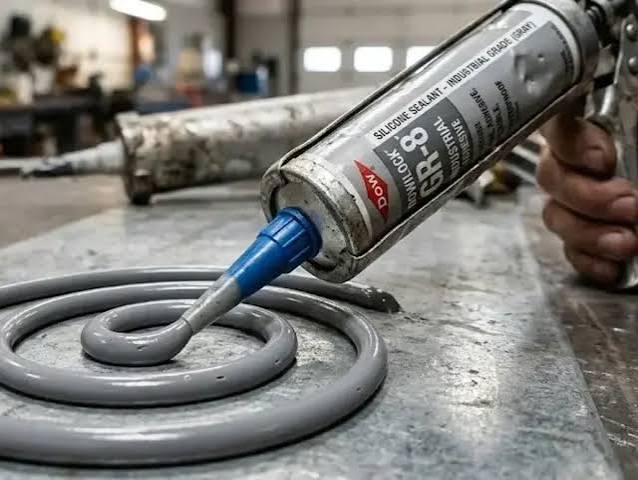
Why Silicone Materials Matter in Industrial Manufacturing
Silicone chemicals offer several properties that make them valuable in applications where conventional materials may experience performance limitations.
Their main advantages include:
Thermal stability: Many silicone formulations retain useful properties across a broad temperature range, supporting demanding industrial environments.
Water resistance: Silicone materials provide moisture-resistant properties that make them suitable for sealants, coatings and protective applications.
Flexibility: Silicone elastomers can maintain elasticity in applications involving movement, vibration and repeated compression.
Weather resistance: Selected formulations withstand exposure to sunlight, moisture and outdoor environmental conditions.
Electrical insulation: Silicone materials support insulation requirements in electrical and electronic equipment.
Chemical durability: Suitable grades offer resistance to various chemicals and environmental conditions, depending on formulation.
These characteristics allow manufacturers to use silicone products in applications requiring long service life and reliable performance.
However, performance varies between formulations. Buyers should evaluate temperature limits, hardness, viscosity, curing behaviour and chemical compatibility before selecting a product.
Silicone Chemicals in Construction and Infrastructure
Construction represents an important industrial market for silicone products. Builders, contractors and material manufacturers use silicone-based sealants, coatings and waterproofing products to protect structures from moisture and environmental damage.
Silicone sealants provide flexible joints around windows, doors, glass panels and building facades. Their elasticity allows them to accommodate certain levels of structural movement while maintaining a protective barrier.
Important construction applications include:
Weatherproofing: Silicone sealants protect joints and openings against rainwater and environmental exposure.
Glass and facade installation: Structural and glazing silicone products support bonding and sealing in modern building systems.
Waterproofing: Selected silicone formulations help protect concrete, masonry and other building surfaces against water penetration.
Protective coatings: Silicone-based coatings provide surface protection in applications exposed to heat, moisture and weathering.
Insulation materials: Silicone compounds support specialised electrical and thermal insulation requirements.
Infrastructure development and building renovation create opportunities for suppliers of construction-grade silicone products. Procurement teams should assess adhesion, curing time, movement capability and compatibility with the surfaces involved.
Silicone Chemicals in Automotive and Transportation Manufacturing
Automotive manufacturers use silicone materials in components that require heat resistance, flexibility and long-term durability. Their ability to maintain performance under demanding conditions makes them suitable for both conventional vehicles and electric vehicles.
Common automotive applications include:
Gaskets and seals: Silicone elastomers help prevent leakage in systems exposed to temperature changes and mechanical stress.
Hoses and connectors: Selected silicone rubber grades provide flexibility and resistance to heat in automotive assemblies.
Electrical insulation: Silicone materials protect wiring, connectors and electrical components.
Battery systems: Electric vehicle manufacturers use silicone-based materials in sealing, insulation and thermal management applications.
Vibration control: Silicone components help reduce vibration and provide cushioning in selected automotive systems.
Electric vehicle production creates additional opportunities for specialty silicone suppliers. Battery pack sealing, thermal interface materials and high-voltage insulation require materials that can support electrical safety and thermal management.
For suppliers, this creates demand for specialised formulations rather than only standard silicone products. Buyers should assess thermal conductivity, dielectric properties, flame resistance and mechanical performance according to the intended application.
Applications in Electronics, Healthcare and Personal Care
The electronics industry increasingly relies on materials that protect sensitive components against moisture, heat and environmental exposure. Silicone chemicals support these requirements through encapsulation, insulation and protective coating applications.
Manufacturers use silicone-based materials in:
Printed circuit board protection and electronic encapsulation.
LED lighting components and protective housings.
Electrical connectors and insulation systems.
Thermal interface materials that help transfer heat away from electronic components.
Protective coatings for equipment exposed to demanding operating environments.
Healthcare provides another important application area. Medical-grade silicone materials appear in tubing, seals, selected medical devices and specialised healthcare components because manufacturers can formulate them for flexibility and biocompatibility.
Personal care manufacturers use silicone fluids and emulsions in skincare, haircare and cosmetic formulations. These ingredients can improve spreading, provide a smooth sensory feel and support conditioning performance.
However, healthcare and personal care applications require careful grade selection. Manufacturers must evaluate applicable purity, biocompatibility, ingredient safety and regulatory requirements before approving a silicone material.
Emerging Market Opportunities and Global Demand
The silicone industry continues to benefit from demand across construction, transportation, electronics, healthcare and industrial manufacturing.
According to Grand View Research, the global silicone market reached an estimated USD 24.3 billion in 2025. The report projects growth to USD 25.8 billion in 2026 and USD 37.3 billion by 2033, representing a compound annual growth rate of 5.4% during 2026 to 2033.
Grand View Research+1
Several developments create opportunities for manufacturers, distributors and international chemical traders.
1. Electric vehicle manufacturing
Battery systems, electrical insulation and thermal management create demand for specialised silicone elastomers, gels and compounds. Suppliers offering application-specific grades can access opportunities in the expanding electric mobility supply chain.
2. Infrastructure and construction investment
Urban development, commercial construction and infrastructure renovation support demand for weather-resistant sealants, adhesives and protective coatings.
3. Electronics production
Increasing electronic equipment requirements create opportunities for silicone encapsulants, insulating materials and thermal management compounds.
4. Healthcare and medical manufacturing
Medical devices and specialised healthcare products require carefully formulated materials with appropriate quality and regulatory documentation.
5. Industrial automation and machinery
Manufacturing equipment requires lubricants, protective coatings, seals and other silicone-based materials that can operate under demanding conditions.
Asia-Pacific represents a major regional market, supported by its manufacturing base and demand from construction, automotive and electronics industries. This creates opportunities for international buyers sourcing silicone materials from established regional producers.
Grand View Research+1
Supply Chain, Raw Material Costs and Procurement Challenges
Silicone manufacturing depends on the availability of silicon metal, chemical intermediates, energy and specialised production technologies. Changes in upstream supply conditions can influence manufacturing costs and product availability.
International buyers also face challenges involving transportation, supplier concentration and differences in product specifications.
Several factors deserve attention when evaluating silicone suppliers:
Raw material availability: Silicon metal and organosilicon intermediates influence production economics and supply continuity.
Energy costs: Silicone production involves energy-intensive manufacturing processes, making energy prices an important cost consideration.
Production capacity: Plant operating rates, maintenance schedules and regional production conditions can affect delivery commitments.
Transportation requirements: Different silicone products require appropriate packaging, handling and storage conditions.
Supplier concentration: Dependence on a limited number of manufacturers can increase procurement risks during supply disruptions.
Product consistency: Variations in viscosity, curing behaviour and chemical composition can affect downstream manufacturing performance.
China plays an important role in the global silicone supply chain, while producers in Europe, North America and other Asian markets also serve international customers.
For importers and distributors, maintaining multiple qualified supplier relationships can improve sourcing flexibility. Buyers should also consider the supplier's technical support, production capabilities and ability to maintain consistent specifications.
Sustainability, Product Innovation and Regulatory Requirements
Sustainability has become an important consideration in silicone manufacturing and industrial procurement. Manufacturers increasingly evaluate production efficiency, material utilisation, waste reduction and the environmental impact of chemical formulations.
Product innovation is also expanding the range of silicone applications.
Emerging developments include:
Low-emission formulations: Manufacturers are developing products that address environmental and workplace requirements.
Advanced silicone elastomers: Improved formulations support demanding applications in electric vehicles, electronics and industrial equipment.
Recycling technologies: Research into silicone recovery and recycling aims to improve material utilisation and reduce industrial waste.
Biocompatible silicones: Specialised formulations support medical devices and healthcare applications.
Energy applications: Silicone materials support insulation, sealing and protective requirements in solar energy systems and wind power equipment.
Regulatory compliance remains essential for manufacturers and international chemical traders. Requirements can vary according to product chemistry, application and destination market.
Buyers should review safety data sheets, technical documentation, chemical registration obligations and relevant product-specific standards before importing or distributing silicone chemicals.
For food-contact, cosmetic and medical applications, additional requirements may apply. Procurement teams should obtain appropriate compliance documentation rather than assuming that an industrial-grade silicone is suitable for specialised applications.
What Buyers Should Consider When Sourcing Silicone Chemicals
Selecting the right silicone product requires a clear understanding of the manufacturing process and the final application's performance requirements.
A practical procurement strategy should cover the following areas:
Determine the product category: Identify whether the application requires silicone oil, rubber, resin, elastomer, sealant or emulsion.
Confirm technical specifications: Review viscosity, hardness, curing time, thermal resistance and other application-specific parameters.
Check grade suitability: Confirm that the material meets the requirements of automotive, construction, electronics, healthcare or personal care production.
Request technical documentation: Obtain technical data sheets, safety data sheets and relevant quality certificates.
Evaluate supplier capability: Assess manufacturing consistency, export experience, production capacity and technical support.
Calculate landed costs: Compare product prices alongside freight, insurance, customs duties and handling expenses.
Assess long-term reliability: Consider delivery performance, batch consistency and the supplier's ability to fulfil repeat orders.
Buyers should also request samples for testing when introducing a new silicone grade into an existing manufacturing process. This helps identify compatibility issues before placing large-volume orders.
Future Opportunities for Silicone Manufacturers and Chemical Traders
The silicone chemicals market offers opportunities across both established industrial sectors and emerging technologies. Construction, automotive manufacturing and industrial processing continue to support demand, while electric vehicles, advanced electronics and healthcare create additional opportunities for specialised products.
Suppliers can strengthen their market position by offering application-specific formulations, consistent product quality and dependable international distribution.
For chemical traders and procurement managers, the most promising approach involves understanding downstream industry requirements and sourcing products that meet clearly defined technical specifications.
Businesses that combine competitive pricing with reliable supply, technical documentation and strong supplier relationships can improve their position in the global silicone chemicals trade.
As industrial applications continue to expand, silicone chemicals will remain an important category for manufacturers seeking durable, flexible and high-performance materials.
Fumed Silica
Found this useful?