SLES in Detergent Manufacturing: Applications and Formulation Requirements
Sodium laureth sulfate (SLES) is a widely used surfactant in detergent manufacturing because it combines effective cleansing with strong foaming performance. Manufacturers use it in liquid laundry detergents, dishwashing liquids, hand washes, shampoos and body washes, where it helps remove dirt and oily residues while producing the foam consumers expect.
For detergent producers, however, selecting SLES involves more than comparing prices per kilogram. Its active matter concentration, viscosity, ingredient compatibility and impurity levels can influence production efficiency, finished-product consistency and overall formulation costs. Buyers who understand these technical factors can select grades that suit their manufacturing processes and quality requirements.
What Is SLES and Why Does It Matter in Detergent Manufacturing?
Sodium laureth sulfate, also known as sodium lauryl ether sulfate, is an anionic surfactant. Manufacturers produce it by ethoxylating fatty alcohols, then sulfating the resulting material and neutralizing it with an alkali to obtain the sodium salt.
Its molecular structure contains a water-attracting portion and an oil-attracting portion. This structure allows SLES to interact with water, grease and other residues, helping manufacturers develop products that clean effectively and rinse away during use.
SLES serves several functions in cleaning and personal-care formulations:
Cleansing: It helps loosen oily soil and other residues from surfaces, skin and hair.
Foam generation: It creates abundant foam during washing and agitation.
Wetting: It helps cleaning solutions spread across surfaces rather than remaining in isolated droplets.
Formulation support: It works with selected surfactants and other ingredients to help manufacturers achieve the desired product characteristics.
These functions make SLES a useful base ingredient for many rinse-off products. The required grade and dosage still depend on the end application, formulation design and target performance.
Applications of SLES Across Cleaning and Personal-Care Products
SLES serves both household cleaning and personal-care markets, but each application places different demands on the formulation. Manufacturers should evaluate its role alongside the other ingredients rather than treating it as a complete cleaning system on its own.

Dishwashing liquids
SLES supports foam generation and helps remove oily food residues from dishes and utensils. Formulators combine it with suitable co-surfactants and other ingredients to balance grease removal, rinsing behaviour and viscosity.

Liquid laundry and household detergents
SLES contributes cleansing and foaming properties to selected laundry liquids, multipurpose cleaners and other household products. The appropriate surfactant blend depends on soil type, water conditions, required foam levels and the cleaning equipment involved.

Shampoos and body washes
Personal-care formulators use SLES to create cleansing products with a rich lather. They must also consider skin and scalp compatibility, fragrance, conditioning ingredients and the finished product's intended use.

Hand washes and liquid soaps
SLES helps manufacturers develop products that spread easily, generate foam and remove everyday soil. The overall formula determines the final viscosity, skin feel, rinsability and fragrance performance.
SLES also appears in bubble baths and selected industrial cleaning formulations. Its versatility makes it relevant to manufacturers serving multiple markets, although each product requires its own formulation and quality checks.
Active Matter Concentration and Formulation Costs
One of the most important purchasing decisions involves selecting the right SLES concentration. Commercial grades commonly include approximately 28% active matter and concentrated grades around 70%, although exact specifications vary by supplier and product.
The active matter percentage indicates how much of the supplied material consists of the active surfactant component. Water and other constituents account for the remaining mass, so buyers should compare products on an equivalent active-matter basis.
A concentrated grade may reduce the quantity of material required per batch and lower transportation or storage costs per unit of active surfactant. However, it also demands appropriate handling, dilution and mixing procedures.
Consider these purchasing factors:
SLES 70%: Often suits larger manufacturers that buy in bulk, have suitable mixing equipment and can manage concentrated, viscous raw materials.
SLES around 28%: Can simplify incorporation into some formulations and may suit manufacturers that prefer a lower-concentration feedstock.
Actual active content: A product labelled 70% may have a permitted specification range rather than an exact 70% value, so procurement teams should check the supplier's certificate of analysis.
To compare two offers accurately, calculate the cost per unit of active matter rather than relying only on the quoted price per tonne. Also include dilution requirements, transport, packaging, handling losses and storage costs when assessing the total cost of ownership.

How Viscosity Affects Mixing and Finished-Product Quality
Viscosity describes a liquid's resistance to flow. In SLES manufacturing applications, viscosity matters during raw-material transfer, dilution, pumping, blending and filling, as well as when the manufacturer targets a particular thickness in the finished detergent.
Concentrated SLES can become highly viscous, which may complicate pumping and dispersion if the production process does not account for its physical properties. Its behaviour also changes with concentration and temperature, so operators should follow the supplier's technical guidance when designing the mixing process.
Finished-product viscosity is a separate consideration. A detergent containing SLES does not automatically achieve the desired thickness because the final result depends on the complete formulation, including the surfactant blend, electrolyte content, temperature and other ingredients.
For example, sodium chloride can increase viscosity in some SLES-based systems, but its effect depends on the formula and dosage. Adding more salt does not always make a product thicker, and excessive addition can reduce viscosity or destabilize the formulation.
Manufacturers should therefore:
Define a target viscosity and the temperature at which it will be measured.
Confirm the correct mixing and dilution procedure for the supplied concentration.
Add viscosity modifiers in controlled stages, checking the result between additions.
Test the formula after mixing and during storage to identify unwanted changes.
A controlled process helps reduce batch variation, filling problems and unnecessary reformulation.
Ingredient Compatibility and Foam Performance
SLES performs best when formulators consider how it interacts with the other ingredients in the product. Although it offers useful cleansing and foaming properties, its performance can change when manufacturers combine it with other surfactants, salts, fragrances, preservatives or conditioning agents.
Amphoteric surfactants, such as cocamidopropyl betaine, are common formulation partners. Depending on the formula, combining them with SLES can help adjust foam characteristics, viscosity and the overall cleansing profile. Nonionic surfactants can also complement SLES in selected formulations.
Compatibility testing remains essential because ingredient interactions depend on concentrations, pH, water quality and processing conditions. A blend that performs well in one detergent may behave differently in another.
Foam volume also needs careful interpretation. Rich lather can influence consumer perception, but more foam does not necessarily mean better cleaning under every set of conditions. Manufacturers should test cleansing performance, foam stability, rinsability and residue removal against the product's intended use.
Personal-care products require additional attention to skin and scalp compatibility. SLES concentration alone does not determine mildness, so formulators should evaluate the complete ingredient system and conduct appropriate product safety assessments.
SLES Purity, Impurities and Quality Specifications
A competitive price means little if the supplied material fails to meet the manufacturer's process or product requirements. Procurement teams should review the technical data sheet (TDS), safety data sheet (SDS) and batch-specific certificate of analysis (COA) before approving a supplier.
Common specification parameters include:
Active matter: Confirms the concentration of the active surfactant and supports accurate batch calculations.
pH: Helps establish whether the material falls within the supplier's stated range under specified test conditions.
Sodium sulfate: Indicates the level of an inorganic sulfate constituent that may affect product composition and formulation consistency.
Unsulfated matter: Measures specified unreacted or non-sulfated organic material, depending on the test method.
Colour and appearance: Help buyers identify material that falls outside agreed visual quality limits.
Sodium chloride and other specified impurities: May matter where electrolyte levels affect formulation performance.
1,4-dioxane: Requires particular attention in applications where the relevant customer requirements and regulations specify limits.
Supplier specifications differ, so buyers should not assume that every SLES grade follows identical limits or test methods. For instance, published commercial specifications for concentrated SLES include active matter ranges around 68% to 72%, while permitted impurity levels vary by product.
For personal-care applications, buyers should pay particular attention to the 1,4-dioxane specification where relevant. This substance can occur as a manufacturing-related impurity in ethoxylated ingredients, making supplier controls, suitable analytical methods and compliance with applicable market requirements important parts of quality assurance.
Procurement teams should agree on acceptance criteria before placing bulk orders. Where necessary, request independent testing or confirm that the supplier can provide suitable analytical evidence for the specific batch.
Storage, Packaging and Reliable Raw-Material Supply
SLES purchasing decisions should also account for the condition in which the material arrives and the manufacturer's ability to store and process it. Concentrated material is often supplied in drums or intermediate bulk containers, while packaging options vary by supplier, grade and shipment size.
Before confirming an order, buyers should verify:
Packaging suitability: Confirm that the container type, closure and handling arrangements suit the product and the receiving facility.
Storage conditions: Follow the supplier's recommended temperature range and protection from unsuitable conditions.
Shelf life: Check the stated shelf life, manufacturing date and remaining usable period on arrival.
Batch traceability: Ensure the shipment can be linked to its COA and other required quality records.
Delivery consistency: Assess lead times, minimum order quantities, shipping arrangements and the supplier's ability to maintain repeat specifications.
For international buyers, the lowest unit price may not represent the best commercial offer. Freight, packaging, customs requirements, payment terms and supply continuity all influence the delivered cost.
Manufacturers should also assess suppliers against documented quality criteria rather than selecting them on price alone. A supplier that consistently meets specifications and provides reliable batch documentation can help reduce production disruptions and incoming-material disputes.
What Procurement Teams Should Check Before Buying SLES
An effective purchasing process connects the technical needs of the formulation with the commercial requirements of the order. Buyers should share their intended application with potential suppliers so that they can compare appropriate grades rather than treating all SLES offers as interchangeable.
Use the following checklist when evaluating quotations:
Confirm the grade and concentration. Specify whether the formulation requires concentrated SLES or a lower-active-matter product.
Review the full specification. Compare active matter, pH, colour, sodium sulfate, unsulfated matter and any application-specific impurity limits.
Request batch documentation. Obtain the current TDS, SDS and COA, then check that the reported values meet the agreed acceptance criteria.
Assess formulation compatibility. Test the proposed grade in the actual formula before approving a large-scale purchase.
Compare delivered costs. Include active matter, freight, packaging, handling and expected production losses.
Verify supplier reliability. Evaluate batch consistency, traceability, lead times and the ability to fulfil repeat orders.
A small-scale formulation trial can reveal issues that a specification sheet alone cannot predict. Checking foam, cleansing performance, viscosity, stability and processing behaviour before full production helps manufacturers make more informed purchasing decisions.
Making Better SLES Sourcing Decisions
SLES remains a valuable ingredient for detergent and personal-care manufacturers because it combines cleansing, foaming and formulation versatility across a broad range of products. Its commercial value, however, depends on selecting the appropriate concentration, managing viscosity, checking compatibility and maintaining control over product quality.
For procurement managers and chemical traders, the most effective approach combines technical specifications with delivered-cost analysis and supplier reliability. Clear acceptance criteria, batch documentation and formulation testing can help buyers avoid unsuitable material and maintain consistent production.
When comparing offers, prioritize the grade that meets your formulation requirements and manufacturing capabilities, not simply the lowest price per tonne.
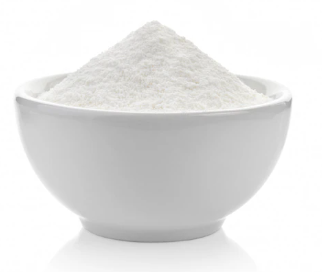
Sodium Laureth Sulphate
SOURCE LINK: https://pubchem.ncbi.nlm.nih.gov/
Found this useful?