Sodium Hydroxide: Industrial Applications and Key Buyer Requirements
Sodium hydroxide is one of the most widely used industrial alkalis, supporting manufacturing processes across several major industries. Also known as caustic soda or NaOH, this inorganic compound plays an important role in chemical processing, pulp and paper production, textile manufacturing, water treatment and soap production.
Its strong alkaline properties allow manufacturers to control acidity, process raw materials and support chemical reactions. However, its corrosive nature also makes proper handling, storage and workplace safety essential considerations throughout the industrial supply chain.
For manufacturers and chemical industry professionals, understanding sodium hydroxide requires more than familiarity with its applications. Chemical quality, product consistency, documentation, transportation conditions and regulatory compliance all influence its industrial performance and responsible management.
What Is Sodium Hydroxide and What Makes It Important?
Sodium hydroxide is a white, inorganic solid with the chemical formula NaOH. It is available in several commercial forms, including flakes, pearls and aqueous solutions of different concentrations.
The compound dissolves readily in water and releases considerable heat during dissolution. Its highly alkaline character makes it useful in processes that require pH adjustment, neutralisation or chemical conversion.
Several characteristics explain its industrial importance:
Strong alkalinity: Sodium hydroxide supports chemical reactions that require highly alkaline conditions.
High water solubility: Its ability to dissolve in water makes it suitable for various industrial formulations.
Chemical reactivity: Manufacturers use it in neutralisation, saponification and other chemical processes.
Multiple commercial forms: Different physical forms support different industrial processing requirements.
The combination of these characteristics makes sodium hydroxide an important industrial chemical across manufacturing and processing sectors.
Industrial Applications Across Major Manufacturing Sectors
Sodium hydroxide supports numerous production activities because manufacturers can use its alkaline properties for different processing purposes.
1. Chemical manufacturing
Chemical producers use sodium hydroxide in several reactions involving neutralisation, pH adjustment and chemical synthesis. It also serves as an important industrial input in the production of various sodium-based compounds.
2. Pulp and paper production
The pulp and paper industry uses sodium hydroxide in chemical pulping and fibre processing. It helps separate lignin from cellulose during certain manufacturing processes, supporting the production of paper pulp.
3. Textile manufacturing
Textile manufacturers use sodium hydroxide in cotton processing and fabric preparation. It plays an important role in mercerisation, a treatment that improves certain properties of cotton fibres, including their dye affinity and dimensional stability.
4. Soap and detergent production
Sodium hydroxide plays a central role in traditional soap manufacturing through a chemical reaction known as saponification. This reaction converts suitable fats and oils into soap and glycerol.
5. Water and wastewater treatment
Water treatment facilities use sodium hydroxide for pH adjustment and acidity control. These applications support water quality management and help maintain appropriate conditions for different treatment processes.
6. Petroleum and refining operations
Certain petroleum processing operations use sodium hydroxide in chemical treatment applications. Its alkaline properties support the removal or neutralisation of selected acidic components in specific processing systems.
Sodium Hydroxide Quality and Commercial Specifications
Industrial performance depends on consistent chemical quality. Different manufacturing processes may require different sodium hydroxide grades, physical forms and concentration characteristics.
Quality assessment generally considers several important parameters:
Purity: Chemical purity influences the amount of sodium hydroxide available for the intended industrial process.
Concentration: Liquid sodium hydroxide products require clearly defined concentration specifications.
Impurity levels: Manufacturers may monitor impurities such as sodium chloride, sodium carbonate and iron compounds.
Physical condition: Solid products should meet the relevant specifications for appearance and physical consistency.
Documentation: Technical specifications and certificates of analysis help establish product identity and quality characteristics.
Manufacturers should match chemical specifications with their process requirements rather than assume that every commercial grade offers identical performance.
A certificate of analysis provides useful information about a particular product batch. Technical data sheets and safety data sheets also support chemical identification, hazard communication and industrial compliance.
Storage, Handling and Workplace Safety
Sodium hydroxide presents significant occupational hazards because it can cause severe chemical burns and serious eye damage. Its strong alkaline properties require careful workplace controls throughout storage, handling and industrial operations.
Responsible chemical management should address the following areas:
Protective equipment: Industrial workplaces should establish suitable protective equipment requirements based on the chemical's concentration, physical form and exposure risks. Appropriate chemical-resistant gloves, protective clothing and eye protection form important parts of workplace safety programmes.
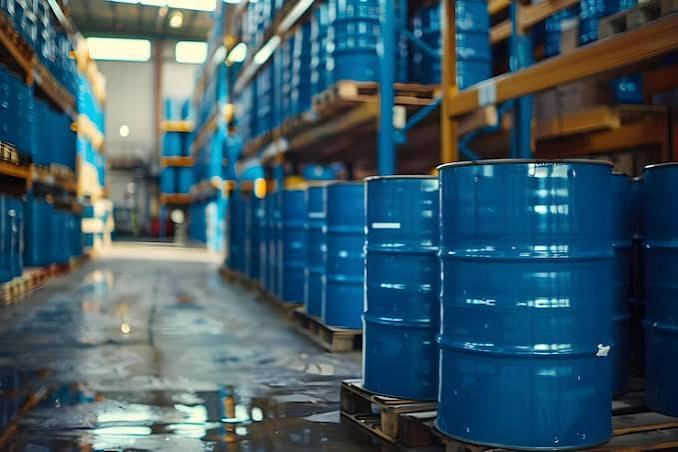
Storage conditions: Facilities should use compatible storage materials and suitable containment arrangements. They should also protect sodium hydroxide from moisture and incompatible substances.
Chemical compatibility: Sodium hydroxide can react with certain materials and chemicals. Aluminium and some other metals may release flammable hydrogen gas under particular conditions, creating additional workplace hazards.
Emergency preparedness: Facilities should maintain suitable emergency procedures, accessible safety information and trained personnel. Workers should understand the appropriate response to accidental exposure or chemical releases.
Training and supervision: Regular workplace training helps employees understand chemical hazards, equipment requirements and organisational safety procedures.
Safety data sheets should remain accessible to relevant personnel and should support the facility's chemical risk management programme.
Packaging, Transportation and Environmental Considerations
Sodium hydroxide moves through international supply chains in different commercial forms. Its corrosive characteristics make packaging integrity and transportation controls important parts of responsible chemical management.
Solid and liquid products require packaging arrangements that meet applicable chemical transportation requirements. Containers must maintain their integrity throughout handling, storage and distribution.
Environmental management also deserves attention because uncontrolled releases can affect water quality and local ecosystems.
Industrial facilities should consider:
Appropriate containment systems in chemical storage areas.
Procedures for managing chemical residues and contaminated materials.
Wastewater monitoring and suitable treatment arrangements.
Compliance with applicable environmental discharge requirements.
Regular inspection of storage infrastructure and associated equipment.
Facilities should also maintain suitable transport documentation and communicate relevant hazard classifications to logistics providers.
Regulatory Compliance and Chemical Documentation
International chemical trade involves several regulatory responsibilities. Sodium hydroxide falls under corrosive substance classifications, making accurate hazard communication particularly important.
The United Nations Model Regulations classify sodium hydroxide as a Class 8 corrosive substance. Its transportation classification depends on the applicable product form and concentration.
Businesses involved in its industrial use and distribution should understand relevant requirements under:
GHS: The Globally Harmonized System provides a framework for chemical hazard classification and labelling.
UN transport regulations: These establish requirements for the transportation of dangerous goods.
REACH: Businesses operating within the European Union must consider applicable chemical registration and compliance obligations.
OSHA: Relevant United States workplace regulations address occupational exposure, hazard communication and chemical safety.
Environmental regulations: Local and national requirements govern chemical waste management and industrial discharge.
Documentation plays an important role in demonstrating compliance. Businesses should maintain appropriate safety data sheets, technical specifications, certificates of analysis and transportation documentation.
Key Considerations for Responsible Chemical Supply Chains
Sodium hydroxide serves industries that depend on reliable chemical inputs. Disruptions in manufacturing, transportation or storage can affect production schedules and industrial operations.
Supply chain management therefore requires attention to more than product availability.
Important considerations include:
Product consistency: Industrial users benefit from consistent specifications that support stable manufacturing processes.
Documentation quality: Accurate technical and safety documentation helps businesses manage compliance responsibilities.
Packaging integrity: Appropriate packaging reduces the likelihood of leakage, contamination and transportation-related incidents.
Supplier compliance: Businesses should assess whether relevant suppliers maintain suitable quality management systems and chemical safety procedures.
Transportation arrangements: Logistics providers should understand the applicable dangerous goods requirements and maintain appropriate handling procedures.
These considerations support greater supply chain transparency and help industrial organisations maintain responsible chemical management practices.
What the Future Holds for Sodium Hydroxide Applications
Demand for sodium hydroxide remains closely connected to industrial production activity. Chemical manufacturing, textiles, pulp and paper production and water treatment continue to represent important areas of application.
Several broader industrial developments may influence its future role:
Water infrastructure investment: Expanding water treatment capacity increases the importance of chemicals used in pH management and treatment operations.
Industrial modernisation: Improvements in manufacturing technology can influence chemical consumption patterns and process efficiency.
Environmental management: Greater attention to wastewater treatment and industrial discharge creates continued demand for effective treatment chemicals.
Chemical manufacturing growth: Expanding production across different industrial sectors supports the continued importance of sodium hydroxide as a chemical input.
Manufacturers will also face growing expectations around workplace safety, environmental responsibility and chemical documentation.
What Industrial Buyers and Procurement Teams Should Know
Sodium hydroxide has a broad industrial role, but its corrosive properties make responsible chemical management essential. Procurement and compliance teams should evaluate product information alongside the operational and regulatory requirements of their organisations.
A structured assessment should cover:
Clearly defined product specifications and quality requirements.
Current safety data sheets and relevant technical documentation.
Appropriate packaging and transportation compliance.
Supplier quality management and regulatory responsibilities.
Workplace hazard communication and environmental management arrangements.
These measures help businesses maintain better visibility across chemical supply chains while supporting safe and consistent industrial operations.
Organisations should also coordinate procurement, quality assurance, logistics and workplace safety teams when evaluating industrial chemical supply arrangements.
The long-term industrial importance of sodium hydroxide depends not only on its chemical properties but also on responsible manufacturing, distribution and use. Businesses that prioritise quality consistency, compliance and environmental responsibility can strengthen their approach to managing this essential industrial chemical.
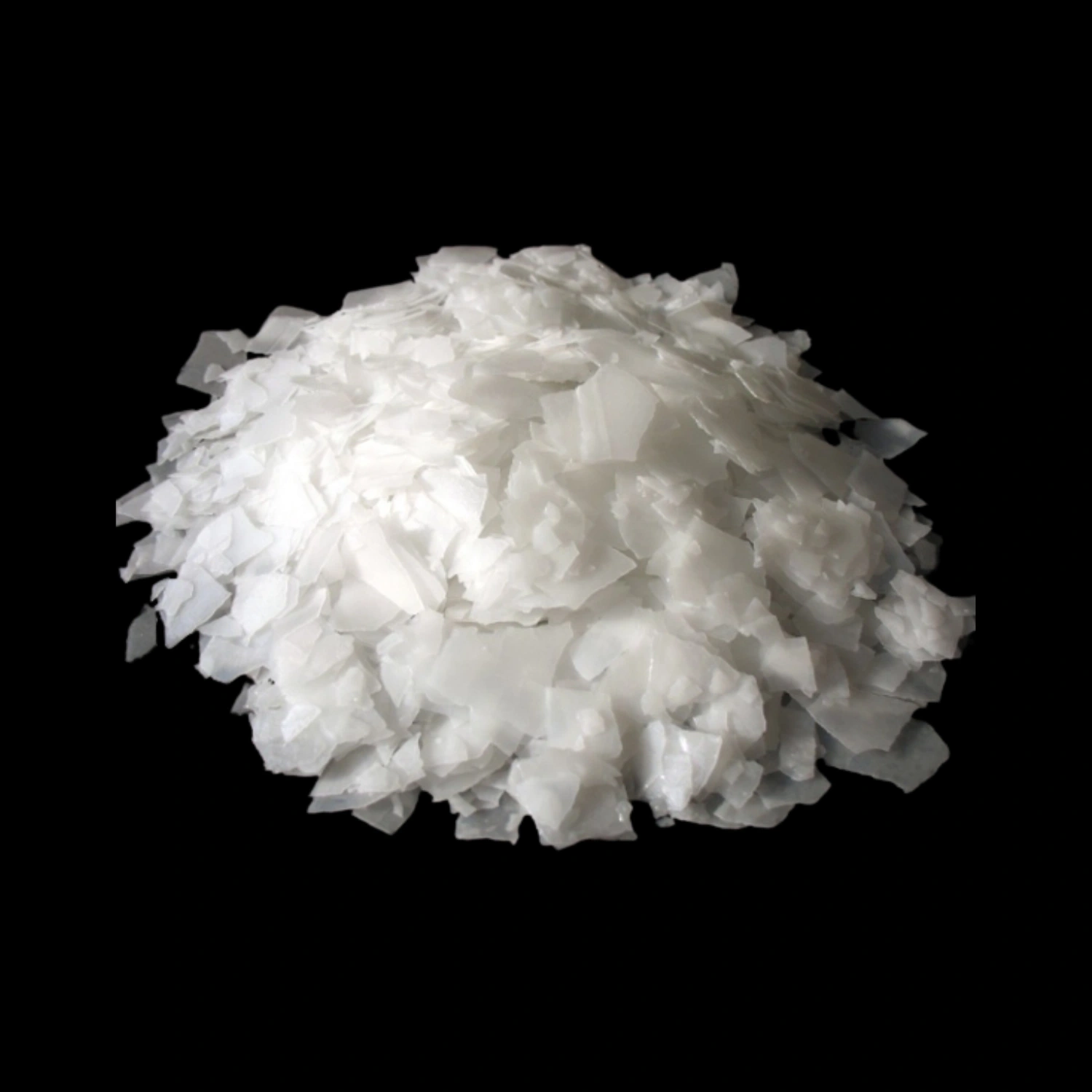
Caustic Soda Flakes
Found this useful?